

Air Compressors & Pumps

Pay in 3 interest-free payments on purchases from £20-£3000 with  . Learn more.
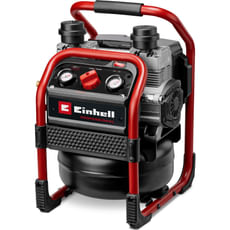
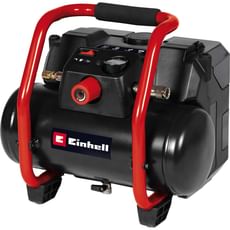
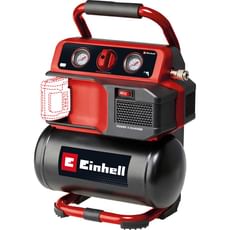
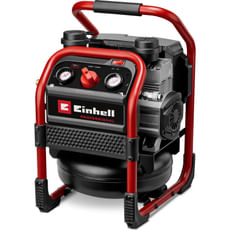
Einhell TE-AC 18/75 Li OF 18v Cordless Oil Free Air Compressor 5 Litre
in stock
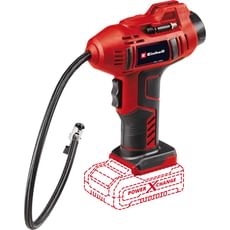
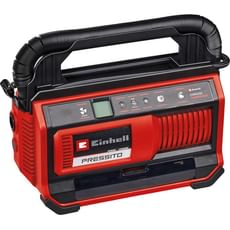
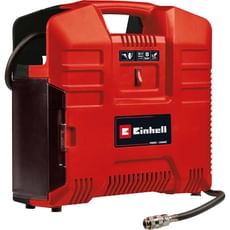
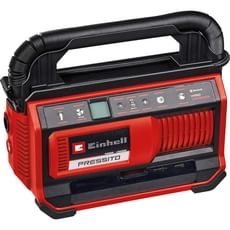
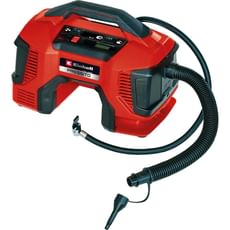
Einhell PRESSITO 18/25 18v Cordless or Mains Air Compressor and Inflator
in stock
Loading...
End of content
Error - No more pages to load
About Air Compressors & Pumps
Air compressors and pumps are indispensable pieces of equipment for professional tradespeople and DIY enthusiasts who rely on compressed air to power pneumatic tools, inflate tyres, or operate air-driven devices. These versatile machines convert electrical or petrol power into stored compressed air, which can then be released on demand to deliver consistent, reliable power for a wide range of applications. Whether you're running an impact wrench in a busy garage, spray painting on site, or simply inflating car tyres at home, having the right air compressor or pump can significantly improve efficiency and work quality.
The category encompasses everything from compact, portable mini compressor air pumps ideal for mobile use and emergency tyre inflation, through to robust workshop air compressors designed for continuous professional use. Modern air compressors typically operate on 240v mains power in the UK, with tank capacities ranging from small 6-litre units perfect for occasional nailers and staplers, up to substantial 50-litre or 100-litre models capable of running multiple air tools simultaneously in demanding workshop environments.
When selecting air compressors and pumps, you'll find options featuring oil-lubricated or oil-free pumps, direct drive or belt drive mechanisms, and varying pressure outputs measured in PSI (pounds per square inch) or BAR. Tooled-Up.com stocks leading brands such as DeWalt, Makita, Milwaukee, and Stanley, offering reliable solutions across all price points to ensure there's a suitable compressor for every budget and application, from light-duty DIY projects to heavy industrial use on construction sites.
Jargon Buster
- CFM (Cubic Feet per Minute): A measurement of air flow volume that indicates how much air the compressor can deliver. Higher CFM ratings mean the compressor can run more demanding air tools or multiple tools simultaneously without losing pressure.
- PSI/BAR: Pressure measurements indicating the force at which air is delivered. PSI (pounds per square inch) is commonly used alongside BAR (1 BAR equals approximately 14.5 PSI). Most air tools require between 90-120 PSI (6-8 BAR) to operate effectively.
- Tank Capacity: The volume of compressed air stored in the receiver tank, measured in litres. Larger tanks provide longer run times before the compressor needs to cycle and refill, reducing motor wear and providing more consistent air supply.
- Oil-Free vs Oil-Lubricated: Oil-free compressors require less maintenance and are cleaner for applications like spray painting, whilst oil-lubricated models typically offer longer lifespan and quieter operation for professional workshop use.
- Duty Cycle: The percentage of time a compressor can operate within a given period without overheating. A 50% duty cycle means the unit can run for 30 minutes in every hour, whilst professional models may offer 100% duty cycles for continuous operation.
- Direct Drive vs Belt Drive: Direct drive compressors connect the motor directly to the pump for compact design, whilst belt-driven models use pulleys and belts, generally running quieter and cooler for extended professional use.
Who Uses Air Compressors & Pumps?
Air compressors and pumps serve a diverse range of trades and applications across professional and domestic settings:
- Automotive Mechanics and Technicians: For impact wrenches, ratchets, tyre inflation, and spray guns in garages and mobile repair services
- Carpenters and Joiners: Powering nail guns, brad nailers, and staplers for rapid fixing of trim, flooring, and cabinetry
- Painters and Decorators: Running HVLP spray guns for smooth, professional finishes on walls, furniture, and vehicles
- Construction Workers: Operating framing nailers, concrete breakers, and various pneumatic tools on building sites
- Manufacturing and Workshop Engineers: For powering assembly tools, grinders, and production line equipment
- Maintenance Teams and Facilities Managers: General site maintenance, cleaning with air blowers, and equipment servicing
- DIY Enthusiasts and Homeowners: Inflating tyres, sports equipment, airbeds, and running occasional pneumatic tools for home improvements
- Cyclists and Motorcyclists: Quick and accurate tyre inflation with portable mini compressor pumps
How to Choose the Right Air Compressors & Pumps
Determine Your Air Requirements: Calculate the CFM and PSI demands of the tools you'll be using. Check the air consumption specifications of your pneumatic tools and choose a compressor that exceeds these requirements by at least 25-30% to ensure adequate performance.
Consider Tank Size: For intermittent use with nail guns or inflation tasks, smaller 6-25 litre tanks offer portability and adequate performance. For continuous operation with spray guns or multiple tools, opt for 50-100 litre tanks that reduce motor cycling and provide consistent air supply.
Portability vs Performance: Mini compressor air pumps are excellent for mobile tradespeople and emergency situations, whilst larger workshop compressors deliver superior power for demanding applications. Consider whether you need to move the unit between sites or if it will remain stationary in a workshop.
Power Supply: Most UK compressors run on standard 240v 13A household power, suitable for workshops and domestic use. Larger professional models may require dedicated circuits or 16A supplies. For remote site work without mains power, consider petrol-powered alternatives.
Noise Levels: Measured in decibels (dB), noise output matters in residential areas or enclosed workshops. Oil-free compressors tend to be noisier (around 90-100dB), whilst belt-driven, oil-lubricated models run quieter (70-80dB). Look for models with noise-reducing features if working in sound-sensitive environments.
Maintenance Requirements: Oil-free compressors offer low maintenance convenience, ideal for occasional users, whilst oil-lubricated models require regular oil changes but provide longer service life for professional applications. Consider your willingness to perform routine maintenance when choosing.
Quality and Brand Reputation: Browse the selection at Tooled-Up.com for trusted brands like DeWalt, Makita, and Milwaukee, which offer reliable performance, readily available spare parts, and comprehensive warranties. Investing in quality equipment from established manufacturers typically proves more cost-effective long-term than budget alternatives.
Popular Accessories
Maximise the functionality and versatility of your air compressor with these essential accessories:
- Air Hoses: Various lengths and diameters (typically 6mm, 8mm, or 10mm) with quick-release couplings for connecting tools to compressor
- Air Tool Kits: Including impact wrenches, die grinders, blow guns, inflation adapters, and spray guns
- Quick Couplers and Fittings: PCL, Euro, and ARO style connectors for rapid tool changes without thread wear
- Pressure Regulators and Gauges: For precise air pressure control to match specific tool requirements
- Air Filters and Water Traps: Remove moisture and contaminants from compressed air, essential for spray painting and air tool longevity
- Inline Lubricators: Automatically add oil mist to air supply for pneumatic tools requiring lubrication
- Tyre Inflation Accessories: Digital gauges, tyre chuck attachments, and inflation kits for accurate pressure setting
- Air Tool Oil: Specialist lubricants for maintaining pneumatic tools and oil-lubricated compressor pumps
- Hose Reels: Wall-mounted or freestanding reels for organised, tangle-free hose storage
- Compressor Oils: Specific grades for oil-lubricated compressor maintenance and servicing
Safety Information
Pressure Safety: Never exceed the maximum pressure rating stated on your compressor or air tools. Always release air pressure from the tank before performing maintenance and use pressure relief valves regularly to prevent over-pressurisation. Compressed air can cause serious injury if misused.
Electrical Safety: Ensure your compressor is properly earthed and connected to suitable 240v power supplies meeting UK BS 1363 standards. Check cables regularly for damage and never use extension leads rated below the compressor's current draw. Install compressors in dry locations away from moisture.
Ventilation Requirements: Operate compressors in well-ventilated areas to prevent motor overheating and allow dissipation of any oil mist or fumes. Petrol-powered compressors must only be used outdoors or in extremely well-ventilated spaces due to carbon monoxide risks.
Personal Protective Equipment: Wear appropriate hearing protection when operating compressors, particularly models exceeding 85dB. Safety glasses protect against airborne debris when using blow guns or pneumatic tools. Follow HSE guidelines for workplace noise exposure limits.
Regular Maintenance: Drain moisture from tanks daily to prevent corrosion and contamination. Follow manufacturer service schedules for oil changes, filter replacements, and safety valve testing. Inspect hoses and fittings regularly for wear, replacing damaged components immediately to prevent high-pressure failures.
Safe Air Tool Usage: Never point compressed air at people or animals—air injection injuries can be fatal. Ensure all pneumatic tools are properly connected before applying air pressure. Use appropriate air pressure settings for each tool, avoiding over-pressurisation which can damage tools or create hazardous situations.
Frequently Asked Questions
What size air compressor do I need for spray painting?
For automotive or furniture spray painting, you'll need a compressor delivering at least 10-14 CFM at 90 PSI with a minimum 50-litre tank capacity. HVLP spray guns require consistent air supply, so larger tanks reduce pressure fluctuations for smoother finishes. Oil-free compressors or proper filtration systems are essential to prevent oil contamination in paint lines.
Can I run multiple air tools from one compressor simultaneously?
This depends on your compressor's CFM output and tank capacity. Add the CFM requirements of all tools you plan to run together and ensure your compressor exceeds this total by 25-30%. For example, if running two tools each requiring 4 CFM, choose a compressor rated at least 10 CFM. Larger tank capacities help maintain pressure when running multiple tools.
What's the difference between oil-free and oil-lubricated compressors?
Oil-free compressors require minimal maintenance, are lighter, and produce cleaner air suitable for spray painting without additional filtration. However, they're typically noisier and have shorter lifespans. Oil-lubricated compressors run quieter, last longer under heavy use, and handle continuous operation better, but require regular oil changes and produce air containing oil mist requiring filtration for some applications.
How often should I drain the moisture from my compressor tank?
Drain your compressor tank after every use or at minimum daily if used regularly. Compressed air naturally contains moisture that condenses inside the tank, causing internal corrosion and contaminating your air supply. Open the drain valve with the tank depressurised until only air escapes, indicating all water has been removed. This simple maintenance significantly extends tank life.
Are portable mini compressor pumps suitable for professional use?
Mini compressor air pumps excel for specific professional applications like mobile tyre services, emergency roadside assistance, and inflating sports equipment, but they're not suitable for powering pneumatic tools or continuous workshop use. They're ideal for tradespeople requiring portable inflation capability but lack the CFM output and tank capacity needed for air tools. Consider them complementary equipment rather than workshop compressor replacements.