

Pressure Washers & Accessories

Pay in 3 interest-free payments on purchases from £20-£3000 with  . Learn more.
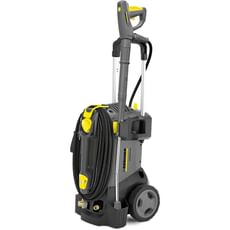
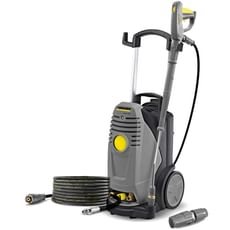
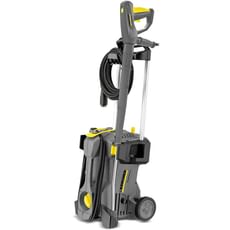
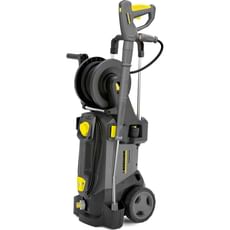
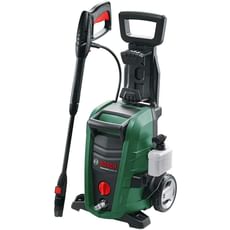
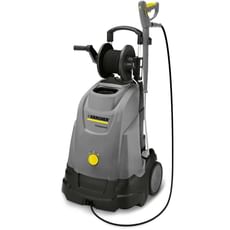
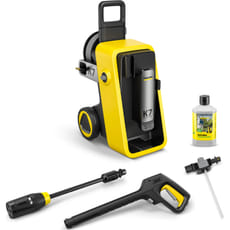
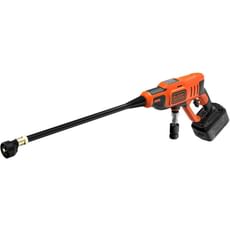
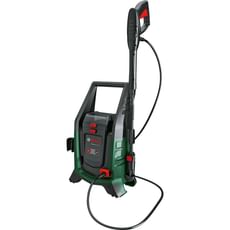
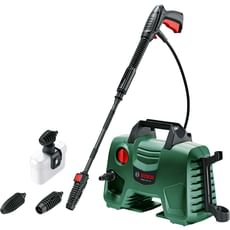
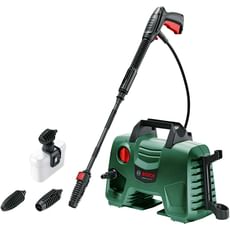
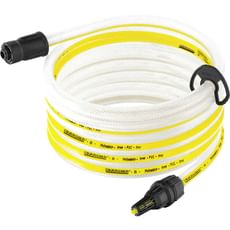
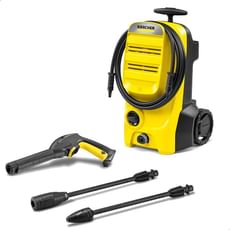
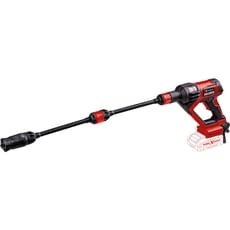
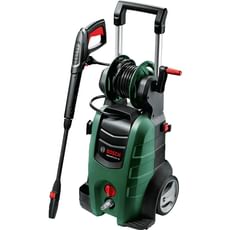
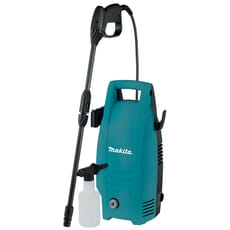
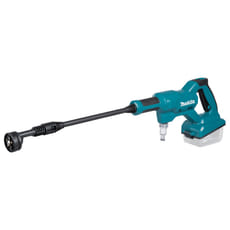
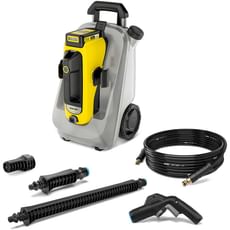
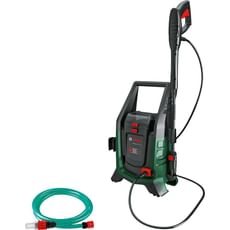
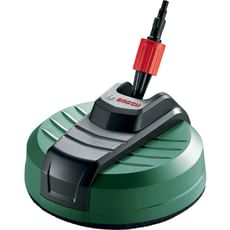
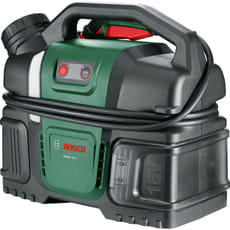
Bosch UNIVERSALAQUATAK 36V-100 36v Cordless Pressure Washer and Priming Kit
in stock
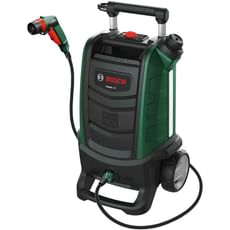
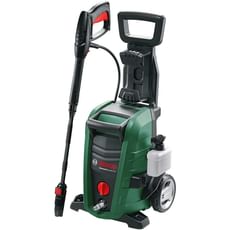
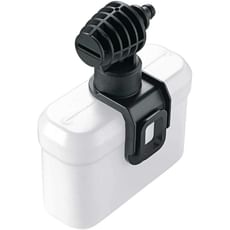
Bosch FONTUS 18V-6 P4A 18v Cordless Pressure Washer and Bicycle Cleaner
in stock

 Loading...
End of content
Error - No more pages to load
About Pressure Washers & Accessories
Pressure washers (also called jet washers) use high-pressure water jets to blast away dirt, grime, moss and algae from outdoor surfaces, making them essential equipment for maintaining homes, commercial premises, vehicles and outdoor spaces. Tooled-Up.com stocks pressure washers from leading brands including Kärcher, Bosch, Nilfisk and Black & Decker for domestic use, plus professional-grade machines from Kärcher HD and HDS ranges for trade applications. Pressure washers use up to 80% less water than a standard garden hosepipe, making them both more effective and more economical for cleaning tasks.
The Pressure Washers & Accessories category encompasses everything needed for high-pressure cleaning, from compact electric models for washing cars and garden furniture to heavy-duty petrol-powered machines for commercial and agricultural use. Available options include 240v mains-powered electric pressure washers, cordless battery models for ultimate portability, and petrol machines for remote locations without power supplies. Beyond the machines themselves, this category includes an extensive range of accessories such as patio cleaners, extension lances, foam nozzles, wash brushes, replacement hoses, detergents and specialist attachments designed to enhance cleaning performance for specific applications.
Choosing the right pressure washer involves considering both bar pressure and flow rate (litres per hour), as both factors significantly impact cleaning performance. While bar pressure receives most attention, flow rate is often more important for professional applications—higher water volume allows you to clean large areas faster and more effectively. The comprehensive selection at Tooled-Up.com spans light-duty models operating at 100-120 bar for cars and garden furniture, through to heavy-duty professional machines exceeding 160 bar with high flow rates for commercial cleaning, construction sites and agricultural use.
Jargon Buster
- Bar or PSI: Measurement of water pressure. Bar is the standard UK measurement, whilst PSI (pounds per square inch) is used in the US. To convert: PSI = bar × 14.5.
- Bar (max): The peak pressure achieved when the machine first starts up with the trigger released—not the actual working pressure during cleaning.
- Bar (rated): The actual operating water pressure maintained during use. This is the more useful figure when comparing machines for real-world cleaning performance.
- Flow rate (l/h): Litres per hour—the volume of water delivered by the machine. Higher flow rates enable faster cleaning of large areas and are often more important than maximum bar pressure for trade applications.
- Self-priming: The ability to draw water from unpressurised sources such as water butts, tanks or streams, rather than requiring mains tap connection.
- RCD (Residual Current Device): Essential safety device that instantly cuts power if electrical fault is detected. Required when using 240v electric pressure washers outdoors to prevent electric shock.
Who Uses Pressure Washers & Accessories?
- Homeowners and DIY enthusiasts – cleaning patios, driveways, decking, garden furniture, cars and external walls
- Professional window cleaners – removing dirt from building exteriors, conservatories and cladding
- Groundskeepers and landscape gardeners – maintaining outdoor surfaces, removing moss and algae from pathways and patios
- Vehicle valeting businesses – washing cars, vans, lorries, plant machinery and agricultural equipment
- Construction workers and builders – cleaning tools, equipment, wheelbarrows, mixers and site machinery
- Agricultural and farming operations – washing livestock housing, farm machinery, trailers and stable yards
- Facility maintenance teams – cleaning commercial premises, car parks, loading bays and industrial equipment
- Caravan and motorhome owners – maintaining recreational vehicles and camping equipment
- Property maintenance contractors – preparing surfaces for painting, removing graffiti and general exterior cleaning
How to Choose the Right Pressure Washers & Accessories
Power source: Electric 240v models suit most domestic users—they're quieter, lighter, require less maintenance and cost less to run. Petrol pressure washers deliver maximum power and freedom from cables, ideal for remote locations and professional use. Cordless battery models offer ultimate portability for lighter tasks where mains power isn't available.
Pressure rating: Match bar pressure to your cleaning tasks. Light-duty models (100-120 bar) suit cars, bikes and garden furniture. Medium-duty machines (130-150 bar) handle patios, decking and driveways effectively. Heavy-duty and professional models (160+ bar) tackle frequent use, large areas and stubborn ingrained dirt.
Flow rate: Don't overlook litres per hour—often more important than bar pressure for efficient cleaning. Higher flow rates clean large areas faster and are particularly valuable for trade users. Professional HD machines frequently prioritise flow rate over maximum pressure ratings.
Water supply: Consider whether you need self-priming capability to draw water from tanks, butts or streams. Essential for allotments, remote locations or anywhere without mains tap connection. Some cordless models include built-in water tanks for complete independence.
Portability and storage: Compact electric models with onboard storage for accessories suit homeowners with limited space. Professional users may prioritise power and durability over portability. Check weight, wheel size and handle design if you'll be moving the machine frequently.
Accessories and attachments: Patio cleaners dramatically speed up flat surface cleaning. Extension lances reach gutters and high walls safely. Foam nozzles improve vehicle cleaning results. Wash brushes protect delicate surfaces. Consider what accessories you'll need and check compatibility with your chosen machine.
Popular Accessories
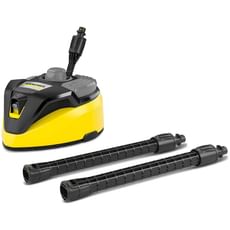
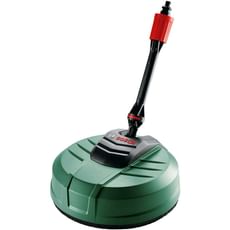
- Patio and surface cleaners – rotating disc attachments that clean flat surfaces faster whilst containing spray and preventing splashback
- Extension lances and telescopic poles – reach high walls, gutters and conservatory roofs safely from ground level
- Replacement and extension hoses – increase working range and replace damaged high-pressure hoses
- Foam nozzles and snow foam lances – apply thick foam detergent that clings to surfaces for effective pre-washing
- Wash brushes and soft brushes – combine water pressure with gentle scrubbing for cars, caravans and garden furniture
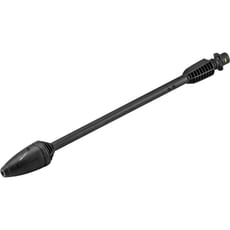
- Dirtblasters and rotary nozzles – concentrated rotating jets for maximum cleaning power on stubborn dirt
- Detergents and cleaning chemicals – specialist formulations for vehicles, patios, timber decking and general purpose cleaning
- Filters and suction hoses – enable drawing water from unpressurised sources whilst filtering debris
- Adaptors and quick-release couplings – ensure compatibility between different brands and simplify accessory changes
- Drain and pipe cleaning attachments – specialist nozzles for clearing blocked drains and pipework
Safety Information
Pressure washers generate sufficient force to cause serious injury if misused. Never aim the water jet at yourself, other people or animals—even compact domestic models operating at lower pressures can penetrate skin. Keep bystanders and pets well clear of your working area, and wear appropriate footwear (never sandals or open-toed shoes).
When using electric pressure washers, always plug into an RCD-protected socket to prevent electric shock. Keep electrical connections away from water and puddles, and inspect cables and hoses for damage before each use. Extension leads must be rated at minimum 13 amps and fully unwound to prevent overheating. Never use petrol-powered models in enclosed spaces due to dangerous carbon monoxide fumes.
Wear eye protection when cleaning overhead surfaces or working with detergents. Consider ear protection when operating more powerful machines for extended periods. Avoid using maximum pressure on delicate surfaces—timber, paintwork and soft materials can be damaged by excessive pressure. Test on an inconspicuous area first.
Never use a non-return valve at your hose pipe connection, and don't drive over or place heavy objects on high-pressure hoses. Your water supply hose should be several metres long and fully unwound from any reel. Consult HSE guidelines for commercial and industrial applications requiring risk assessments.
Frequently Asked Questions
What bar pressure do I need for patio cleaning?
Most patios require 130-150 bar pressure for effective cleaning. This medium-duty range removes dirt, moss and algae without damaging standard paving materials. Heavily soiled patios or commercial applications may benefit from 160+ bar machines, whilst delicate natural stone should be cleaned at lower pressures to avoid surface damage.
Can I use a pressure washer without a garden tap?
Yes, provided your pressure washer features self-priming capability. Self-priming models draw water from unpressurised sources including water butts, tanks or even streams. Some cordless pressure washers include built-in water tanks for completely mobile operation without any external water connection.
Are pressure washers allowed during hosepipe bans?
Pressure washers are exempt from hosepipe bans when drawing water from harvested sources (not mains) using a suction hose, when used for safety or hygiene reasons, or for commercial purposes such as maintaining business premises, vehicles or equipment cleanliness. Check your water company's specific restrictions during ban periods.
Which accessories do I need for my pressure washer?
Essential accessories depend on your applications. Patio cleaners dramatically speed up flat surface cleaning. Extension lances reach high areas safely. Foam nozzles improve vehicle cleaning results. Wash brushes protect delicate surfaces. Check compatibility with your specific pressure washer model before purchasing accessories.
What's the difference between electric and petrol pressure washers?
Electric models suit most domestic users—they're quieter, lighter, require less maintenance and cost less to run, though limited by cable reach. Petrol machines deliver maximum power and complete portability without cables, ideal for remote locations and professional use, but they're heavier, louder and require regular engine maintenance.