

Tree Loppers & Pruners
Pay in 3 interest-free payments on purchases from £30-2000 with  . Learn more.
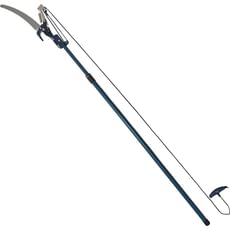
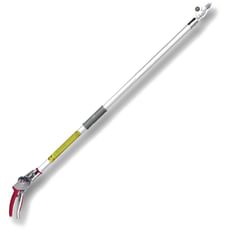
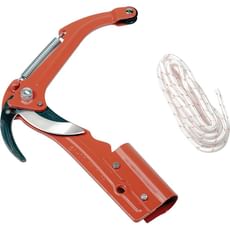
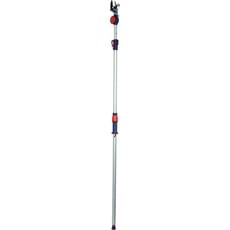
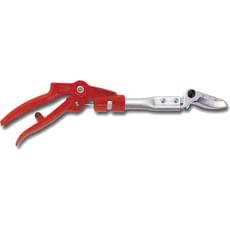
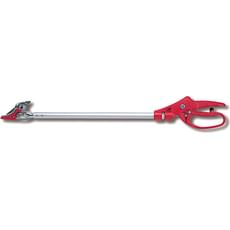
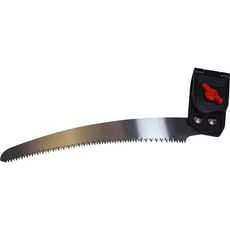
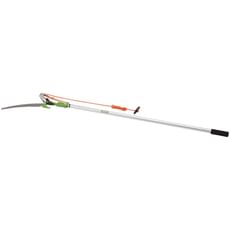
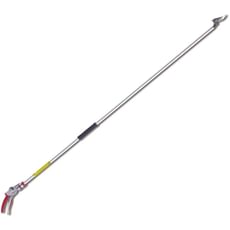
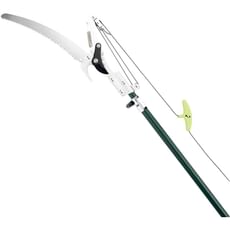
 Loading...
End of content
Error - No more pages to load
About Tree Loppers & Pruners
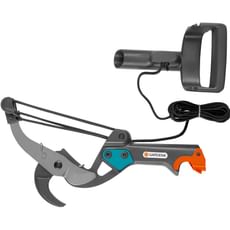
Tree loppers and pruners are essential cutting tools designed for maintaining trees, hedges, and tall shrubs by enabling users to reach and trim branches that would otherwise be inaccessible from ground level. These specialised tools combine leverage, reach, and sharp cutting mechanisms to make light work of garden maintenance tasks that involve overhead or high-up pruning work. Whether tackling overgrown fruit trees, tidying up ornamental specimens, or managing woodland areas, the right lopper or pruner can dramatically reduce the physical strain and safety risks associated with working at height.
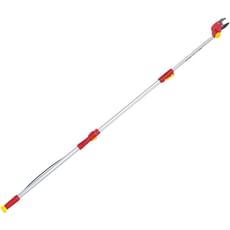
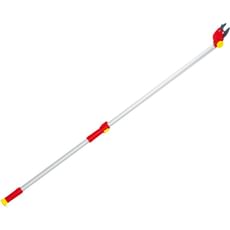
The range at Tooled-Up includes telescopic tree pruners that extend to reach high branches without the need for ladders, as well as specialist attachments that enhance functionality. Many modern tree pruners feature interchangeable cutting heads, allowing users to switch between bypass lopper blades for clean cuts on living wood and saw attachments for thicker branches that require a different cutting action. This versatility makes them invaluable for both professional groundskeepers and dedicated gardeners who want a single tool that can handle multiple pruning scenarios.
Quality tree loppers typically incorporate ergonomic designs with lightweight yet sturdy construction, often using aluminium or fibreglass poles that provide the necessary reach without causing user fatigue. The cutting mechanisms range from simple rope-operated bypass blades to more sophisticated ratchet systems that multiply cutting force, enabling even smaller users to tackle substantial branches with confidence. Replacement blades and saw attachments ensure these tools can be maintained and upgraded rather than replaced, offering excellent long-term value for anyone serious about tree and hedge maintenance.
Jargon Buster
- Bypass Cutting: A pruning action where two sharp blades pass by each other like scissors, creating a clean cut that's ideal for living branches as it minimises damage to the plant tissue and promotes healthy healing.
- Anvil Cutting: A cutting method where a single sharp blade closes onto a flat surface (anvil), typically used for dead wood or harder materials, though it can crush softer living tissue.
- Telescopic Reach: An adjustable pole system that extends and locks at various lengths, allowing users to customise the tool's reach depending on the height of branches being pruned, typically ranging from 2 to 6 metres.
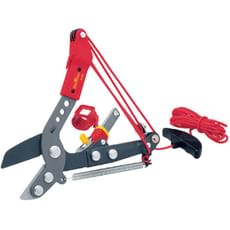
- Rope-Operated Mechanism: A cutting system activated by pulling a cord or rope that runs through the pole, transferring force from ground level to operate the cutting head at height.
- Triple Bevel Teeth: A specialist saw blade design featuring three cutting edges per tooth, providing aggressive cutting performance and reduced binding when sawing through green or resinous wood.
- Ratchet Action: A mechanical system that divides each cut into multiple smaller movements, multiplying the user's force and making it possible to cut through thicker branches with less physical effort.
Who Uses Tree Loppers & Pruners?
- Professional Gardeners and Landscapers: Maintaining client properties, pruning ornamental trees, and managing estate grounds
- Tree Surgeons and Arborists: Initial assessments and lighter pruning work before deploying climbing equipment or elevated platforms
- Groundskeepers: Managing parks, sports facilities, school grounds, and commercial landscapes
- Fruit Growers and Orchardists: Pruning fruit trees to encourage productive growth and maintain tree health
- Estate Managers: Maintaining woodland areas, specimen trees, and formal gardens on large properties
- Local Authority Workers: Managing public spaces, roadside trees, and communal green areas
- Serious DIY Gardeners: Homeowners with mature gardens who want to maintain their own trees safely and effectively
- Allotment Holders: Managing fruit trees and maintaining plot boundaries with hedging
How to Choose the Right Tree Loppers & Pruners
Maximum Reach Required: Consider the height of branches you need to access regularly. Telescopic models typically extend from 2 to 6 metres, with some specialist versions reaching even higher. Remember that working at maximum extension reduces leverage and control, so choose a tool with reach beyond your typical requirements.
Branch Thickness: Different cutting mechanisms suit different branch diameters. Bypass lopper heads typically handle branches up to 30-40mm diameter, while saw attachments are necessary for anything thicker. If you regularly deal with varied branch sizes, consider a system that accepts multiple cutting head attachments.
Cutting Mechanism: Rope-operated systems offer simplicity and reliability, whilst ratchet mechanisms provide extra cutting power for those with limited hand strength. Consider how often you'll use the tool and whether the additional force multiplication justifies any extra complexity or weight.
Pole Material and Weight: Aluminium poles offer an excellent strength-to-weight ratio and are ideal for regular use, whilst fibreglass options provide additional stiffness and eliminate concerns when working near overhead power lines. Consider the weight when fully extended, as this directly impacts user fatigue during prolonged use.
Blade Quality and Replacements: High carbon steel or high speed steel blades maintain sharpness longer than basic carbon steel. Check that replacement blades and saw attachments are readily available from Tooled-Up.com, ensuring your investment can be maintained rather than replaced when cutting edges eventually dull.
Build Quality and Brand Reputation: Established brands like Spear and Jackson bring decades of tool-making expertise and typically offer better quality control, replacement parts availability, and customer support compared to budget alternatives that may fail after limited use.
Popular Accessories
- Replacement Saw Blades: Curved pruning saw attachments for cutting thicker branches that exceed lopper blade capacity
- Replacement Lopper Blades: Fresh bypass cutting heads to restore cutting performance when original blades become dull or damaged
- Pole Extensions: Additional sections to increase maximum reach for particularly tall trees or difficult access situations
- Protective Sheaths and Covers: Blade guards for safe storage and transportation, preventing accidental injury and protecting cutting edges
- Safety Glasses and Face Shields: Essential eye protection when pruning overhead to guard against falling debris, sawdust, and small branches
- Work Gloves: Heavy-duty gardening gloves with reinforced palms for secure grip and protection from rope burn when operating pull-cord mechanisms
- Hard Hats: Head protection for professional users working in areas with multiple overhanging branches or potential falling debris
- Pruning Sealant: Wound dressing compounds to protect cut surfaces on valuable trees and promote healthy healing
- Tool Maintenance Kits: Sharpening stones, lubricating oils, and cleaning solutions to keep cutting mechanisms operating smoothly
Safety Information
Working at Height Awareness: Whilst tree loppers eliminate the need for ladders in many situations, always maintain awareness of overhead hazards including power lines, telecommunications cables, and unstable branches that might fall when cut. Never work alone when tackling substantial pruning projects, and ensure someone knows your location and expected completion time.
Personal Protective Equipment: Always wear safety glasses or a face shield when pruning overhead, as falling debris, sawdust, and small twigs can cause serious eye injuries. Consider wearing a hard hat when working beneath large trees, and use sturdy gloves to protect hands from rope burn and maintain secure grip on operating mechanisms.
Electrical Hazards: Exercise extreme caution when working near overhead power lines. Even if lines appear well clear of branches, remember that tools can conduct electricity, and branches may spring or fall unpredictably when cut. If in any doubt about clearance to electrical cables, contact your local distribution network operator for advice before proceeding.
Tool Inspection: Before each use, inspect your tree pruner for loose connections, damaged poles, worn ropes, and dull or damaged blades. Pay particular attention to locking mechanisms on telescopic poles, as failure during use could result in loss of control and injury. Replace worn components immediately rather than risking tool failure during operation.
Proper Technique: Position yourself to one side of the cutting area rather than directly underneath falling branches. Make cuts at a slight angle to encourage water runoff and promote healing. When using saw attachments, use smooth, controlled strokes rather than forcing the blade, which can cause binding and loss of control.
Frequently Asked Questions
Can I use a tree pruner near overhead power lines?
Exercise extreme caution near any overhead cables. Whilst fibreglass poles offer some insulation properties, no tree pruner should be considered safe for use in close proximity to power lines. Maintain a minimum clearance of several metres, and if branches are entangled with or very close to cables, contact your electricity distribution network operator who can arrange safe removal by qualified personnel.
What's the difference between using a lopper blade and a saw attachment?
Lopper blades use a scissor-like bypass action that's ideal for living branches up to about 40mm diameter, creating clean cuts that heal quickly and minimise stress to the tree. Saw attachments are necessary for thicker branches or dead wood, using a back-and-forth cutting motion that's more aggressive but can handle substantially larger diameter material that would damage or jam lopper blades.
How do I maintain my tree pruner for long-term performance?
After each use, wipe down blades with an oily cloth to prevent rust, and check rope mechanisms for fraying or wear. Periodically lubricate moving parts with light machine oil, and sharpen or replace blades when you notice increased effort required for cuts or ragged cutting edges. Store the tool in a dry location with blade guards fitted, and inspect telescopic locking mechanisms regularly to ensure they engage securely.
What cutting capacity should I look for?
Most quality tree pruners with bypass lopper heads comfortably handle branches between 30-40mm diameter, which covers the majority of routine pruning tasks. If you regularly encounter thicker branches, choose a model that accepts saw blade attachments, or consider investing in both a standard pruner for everyday work and a dedicated long-reach pruning saw for occasional heavy-duty requirements.
Is it worth investing in a telescopic model or should I just use a ladder?
Telescopic tree pruners offer significant safety advantages over ladder work, keeping you firmly planted on the ground with both hands free to control the tool. They're faster to deploy, eliminate the risks associated with ladder positioning and stability, and allow you to maintain better perspective on the overall shape of the tree as you work. For anyone doing regular pruning work, a quality telescopic pruner quickly proves its value in both safety and efficiency.