
Air Spray Guns

Pay in 3 interest-free payments on purchases from £20-£3000 with  . Learn more.
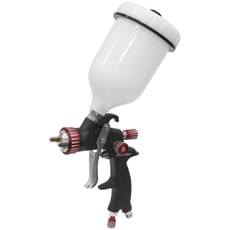
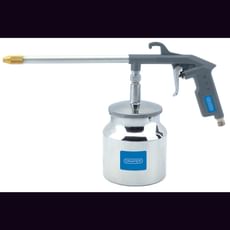
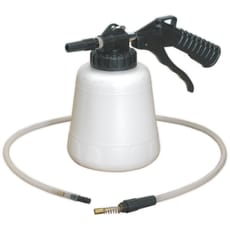
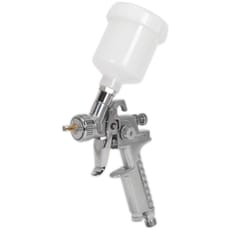
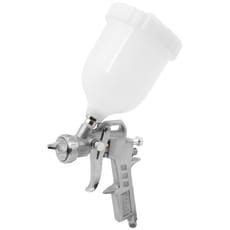
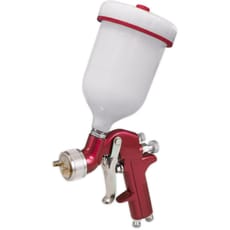
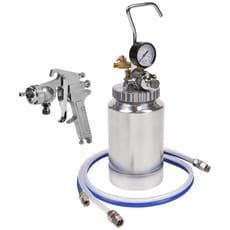
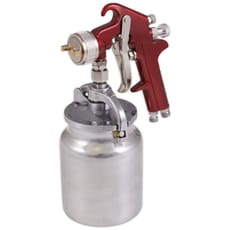
Loading...
End of content
Error - No more pages to load
About Air Spray Guns
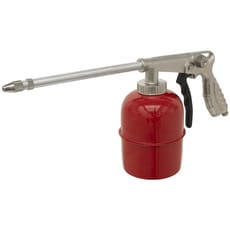
Air spray guns are precision pneumatic tools designed to deliver professional-quality finishes across countless applications, from automotive refinishing and furniture restoration to industrial coating and home decoration. By harnessing compressed air to atomise paint, varnish, lacquer, or protective coatings into a fine, controlled mist, these versatile tools achieve smooth, even coverage that traditional brushes and rollers simply cannot match. Whether you're a professional vehicle sprayer working on high-end automotive finishes, a furniture manufacturer applying delicate lacquers, or a decorator tackling large-scale residential projects, the right air spray gun transforms both the quality and efficiency of your work.
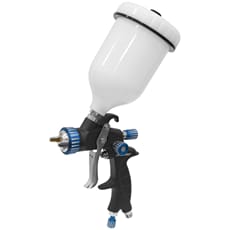
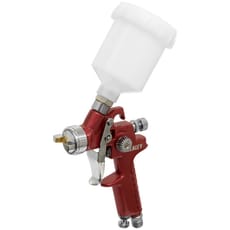
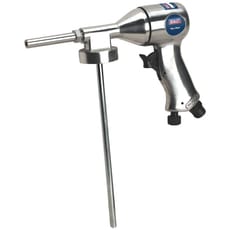
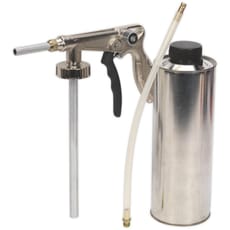
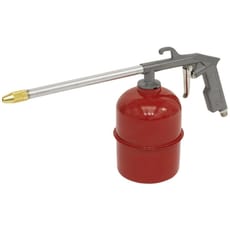
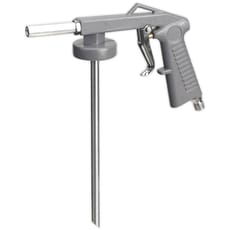
The comprehensive selection at Tooled-Up.com includes gravity feed spray guns, suction feed models, and advanced HVLP (High Volume Low Pressure) systems from industry-leading manufacturers including Sealey and Draper. Modern air spray guns feature precisely engineered nozzles, adjustable spray patterns, and ergonomic designs that reduce operator fatigue during extended spraying sessions. From compact gravity-fed units perfect for detailed refinishing work to heavy-duty underbody coating guns designed for corrosion protection on commercial vehicles, the range encompasses spray guns suited to every application, budget, and skill level.
Selecting between different air spray gun types depends on your specific requirements, including the materials you'll be spraying, the scale of your projects, and your existing air compressor capacity. Understanding key features such as nozzle size, transfer efficiency, and feed system configuration will help you choose the most appropriate tool for achieving consistently professional results whilst minimising material waste and reducing environmental impact.
Jargon Buster
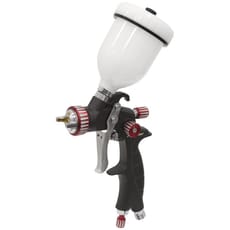
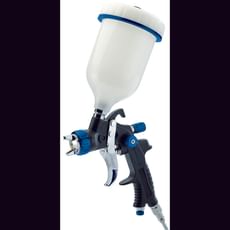
- HVLP (High Volume Low Pressure) - A spray gun technology that uses higher air volume at lower pressure (typically under 10 PSI at the air cap) to deliver superior transfer efficiency between 65-80% with significantly reduced overspray and material waste. HVLP guns are increasingly popular due to environmental regulations and substantial long-term cost savings on materials.
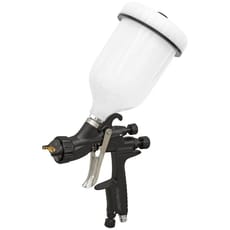
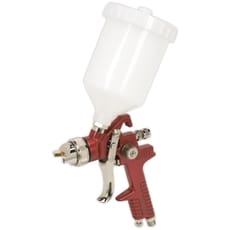
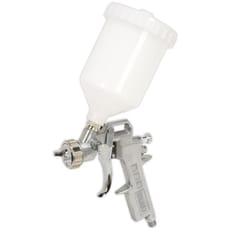
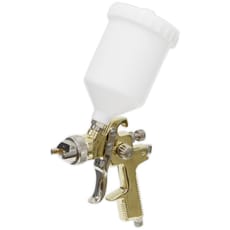
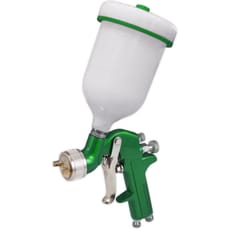
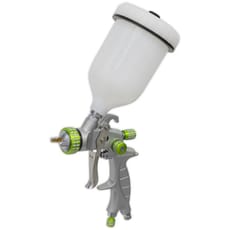
- Gravity Feed - A design configuration where the paint cup mounts on top of the spray gun body, allowing gravity to assist material flow into the internal passages. This system works efficiently at lower air pressures and proves ideal for smaller projects, detailed work, and situations requiring frequent colour changes with minimal material waste.
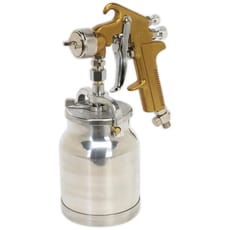
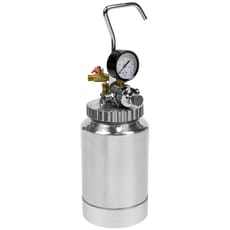
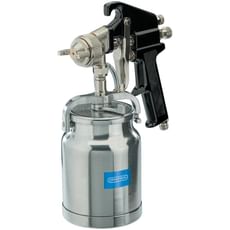
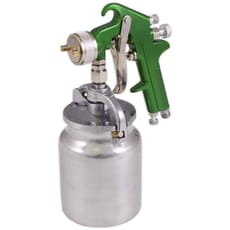
- Suction Feed - A system where the paint container sits below the gun body, with air pressure differential creating a vacuum that draws material upward through the fluid tube. Suction feed guns typically accommodate larger paint volumes and suit extended spraying sessions on bigger commercial projects.
- Nozzle Size (mm) - The diameter of the fluid tip opening, measured in millimetres, which determines the volume and atomisation quality of sprayed material. Smaller nozzles (1.0-1.4mm) suit thin materials like base coats and clear lacquers, whilst larger nozzles (1.8-2.5mm) handle thicker substances like high-build primers and underbody coatings.
- CFM (Cubic Feet per Minute) - The volume of compressed air consumed by the spray gun during operation. Understanding your gun's CFM requirement ensures your air compressor can deliver adequate air supply for consistent performance without pressure drops that compromise finish quality.
- Transfer Efficiency - The percentage of sprayed material that actually reaches and adheres to the target surface rather than being lost as overspray. Higher transfer efficiency reduces material costs, environmental impact, and cleanup requirements whilst improving workplace air quality.
Who Uses Air Spray Guns?
Air spray guns are indispensable tools across numerous trades and industries:
- Automotive Refinishers - Body shops and vehicle restoration specialists for painting cars, vans, motorcycles, and commercial vehicles
- Furniture Makers and Restorers - Applying lacquers, stains, and protective finishes to wooden furniture, cabinetry, and bespoke joinery
- Decorators and Painters - Professional tradesmen covering large surface areas efficiently with emulsion, gloss, and specialist architectural coatings
- Manufacturing and Industrial Facilities - Production line finishing operations requiring consistent, high-quality coating application at volume
- Agricultural and Plant Engineers - Applying protective coatings and rust prevention treatments to machinery, equipment, and agricultural implements
- Marine Engineers - Coating boats, yachts, and marine structures with specialised paints, gelcoats, and anti-fouling treatments
- Maintenance Teams - Site workers and facilities managers applying protective coatings, corrosion prevention treatments, and refurbishment finishes
- Shopfitters and Joiners - Finishing fitted furniture, retail displays, and architectural woodwork to exacting standards
- DIY Enthusiasts - Home improvers seeking professional-quality finishes on furniture restoration, garden items, and interior decoration projects
How to Choose the Right Air Spray Guns
Application Type: Identify your primary use case. Fine finish work such as automotive painting requires HVLP guns with smaller nozzles (1.3-1.4mm) for superior atomisation, whilst heavy-bodied materials like primers or underbody coatings need larger nozzles (1.8mm and above) with higher pressure conventional guns to maintain adequate material flow.
Feed System Configuration: Gravity feed guns offer excellent control and work efficiently with smaller paint quantities, making them ideal for detailed work, frequent colour changes, and materials where waste must be minimised. Suction feed models handle larger volumes and prove better suited to extended spraying sessions on bigger commercial projects where productivity takes priority.
Air Compressor Compatibility: Check your compressor's CFM output matches or exceeds the gun's requirements. HVLP guns typically require 10-14 CFM at operating pressure, whilst conventional spray guns may need less but at higher PSI. An underpowered compressor will cause frustrating pressure drops and inconsistent finish quality, particularly on larger projects requiring continuous operation.
Material Compatibility: Ensure the spray gun can handle your chosen coatings effectively. Water-based paints, solvent-based lacquers, two-pack epoxies, and thick underbody sealants all have different viscosity characteristics affecting nozzle size selection and setup adjustments. Check manufacturer recommendations for optimal results with specific material types.
Transfer Efficiency Considerations: HVLP systems offer 65-80% transfer efficiency compared to just 25-35% for conventional guns, dramatically reducing material waste and meeting increasingly stringent environmental regulations. Consider long-term material savings when evaluating initial equipment costs, particularly for high-volume operations or expensive coating materials.
Adjustability Features: Look for guns with easily accessible controls for fluid flow, air pressure, and spray pattern adjustment. These controls allow fine-tuning for different materials and applications without changing equipment, improving versatility and reducing the need for multiple specialised guns.
Build Quality and Materials: Professional-grade guns feature stainless steel needles, nozzles, and fluid passages for durability and chemical resistance when using aggressive solvents. Composite body designs reduce weight for extended use without compromising structural strength, whilst chrome-plated components suit water-based materials without corrosion concerns.
Popular Accessories
- Air Line Filters and Regulators - Essential for removing moisture, oil contamination, and particulates whilst maintaining consistent pressure delivery
- Quick-Release Couplings - Enable fast gun changes and improved workshop efficiency when switching between different applications
- Viscosity Cups - Measure paint consistency to ensure optimal flow characteristics for spraying without thinning guesswork
- Cleaning Kits and Brushes - Maintain spray gun performance and extend equipment lifespan through proper maintenance procedures
- Spare Nozzles and Needles - Allow quick changes between different material types, viscosities, and applications without equipment downtime
- Paint Strainers and Filters - Prevent blockages and ensure smooth material flow by removing contaminants before spraying
- Respirators and Face Protection - Crucial PPE for safe operation in accordance with COSHH regulations and HSE guidance
- Spray Gun Stands and Holders - Keep guns secure between uses and prevent damage to precision components
- Reinforced Air Hoses - Quality hoses maintain pressure and flexibility whilst resisting kinking and abrasion on site
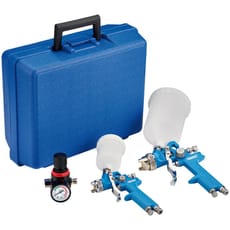
- Spray Gun Cases - Protect valuable equipment during transport and storage whilst keeping components organised
Safety Information
Respiratory Protection: Always wear appropriate respiratory protection when spraying. Many coatings contain volatile organic compounds (VOCs), isocyanates, and harmful particulates that pose serious health risks. Follow COSHH guidelines and use HSE-approved respirators suited to the specific materials being sprayed. Ensure adequate ventilation in your workspace, ideally with extraction systems in enclosed environments.
Eye and Skin Protection: Wear safety goggles or a full-face respirator to protect eyes from overspray and splashes. Use protective gloves resistant to the chemicals you're handling (nitrile for most paints, specialist gloves for aggressive solvents), and wear disposable coveralls to prevent skin contact with paints, thinners, and hardeners which can cause dermatitis and sensitisation.
Fire and Explosion Risks: Many spray materials and solvents are highly flammable with low flash points. Ensure your workspace has adequate ventilation, eliminate all ignition sources including static electricity, and store materials according to manufacturer guidelines in approved flammable storage cabinets. Never spray near open flames, sparks, or hot work activities.
Pressure Hazards: Air spray guns operate under significant pressure and can inject material through skin if mishandled, causing serious injury requiring immediate medical attention. Never point a spray gun at yourself or others, even when disconnected. Always disconnect the air supply and relieve pressure before performing maintenance, changing nozzles, or clearing blockages.
Equipment Maintenance: Regular cleaning prevents material build-up that can affect performance and create safety hazards. Follow manufacturer instructions for proper disassembly and use appropriate cleaning solvents in well-ventilated areas. Never use petrol or highly volatile solvents for cleaning. Inspect components regularly for wear and replace damaged parts immediately.
Workspace Ventilation: Adequate ventilation is critical when spraying. Natural ventilation is rarely sufficient for safe operation. Consider installing extraction fans, spray booths, or portable filtration units depending on the scale and frequency of spraying work. Monitor air quality and take regular breaks in fresh air during extended spraying sessions.
Frequently Asked Questions
What size air compressor do I need for a spray gun?
This depends entirely on your spray gun type and intended usage. HVLP guns typically require 10-14 CFM at 40 PSI, so a compressor rated at 15+ CFM with adequate tank capacity (50 litres minimum, ideally 100+ litres) ensures consistent performance without constant motor cycling. Conventional spray guns may work with smaller compressors around 6-8 CFM but at higher operating pressures. Always check your specific gun's requirements and choose a compressor with 25-30% more capacity than the minimum specification to account for pressure drops, line losses, and continuous operation demands.
What's the difference between HVLP and conventional spray guns?
HVLP (High Volume Low Pressure) guns use substantially more air volume at lower operating pressure, delivering 65-80% transfer efficiency with minimal overspray and environmental impact. Conventional guns operate at higher pressure (30-50 PSI at the cap) with less air volume, resulting in more overspray but potentially faster application over very large areas. HVLP guns are more economical for material usage, meet environmental regulations, and reduce booth contamination, whilst conventional guns may suit certain industrial applications where maximum speed outweighs material efficiency concerns.
How do I choose the correct nozzle size?
Nozzle size selection depends primarily on material viscosity and desired finish quality. Thin materials like base coats, metallics, and clear lacquers work best with 1.0-1.4mm nozzles for fine atomisation. General purpose paints, single-pack enamels, and standard primers suit 1.4-1.8mm nozzles. Heavy-bodied materials like high-build primers, underbody coatings, textured finishes, and thick protective treatments require 1.8-2.5mm or larger nozzles to maintain adequate flow without excessive thinning. Most spray gun manufacturers including Sealey and Draper provide detailed nozzle size recommendations for different coating types in their technical documentation.
Can I spray water-based paints with any air spray gun?
Most modern air spray guns available from Tooled-Up handle water-based paints effectively, but always check material compatibility specifications. Water-based coatings require stainless steel or chrome-plated internal components (needle, nozzle, fluid passages) to prevent corrosion from prolonged exposure to aqueous materials. You may need a slightly larger nozzle size compared to solvent-based equivalents of similar viscosity due to different flow characteristics. Always clean the gun thoroughly with water and appropriate cleaning agents immediately after use to prevent paint drying in passages, which causes difficult-to-remove blockages.
How often should I clean my spray gun?
Clean your spray gun thoroughly after every single use, regardless of session duration. Paint, lacquer, or coating left in passages, around the needle, or on the air cap can dry and cause serious blockages affecting spray pattern, material flow, and finish quality. For extended projects using the same colour, you can perform quick rinses between sessions, but always complete a full disassembly and thorough cleaning at project completion. Regular maintenance extends gun lifespan significantly, ensures consistent performance, and prevents costly component replacement. Poor cleaning practices are the primary cause of premature spray gun failure and inconsistent results.