

Saws

Pay in 3 interest-free payments on purchases from £20-£3000 with  . Learn more.
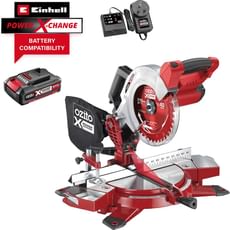
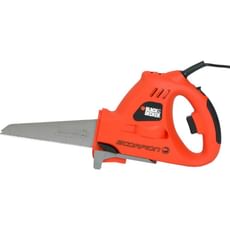
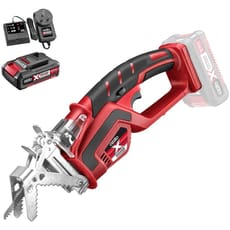
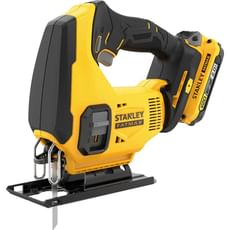
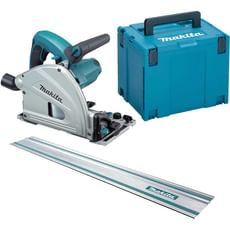
Makita SP6000K1 Plunge Cut Circular Saw and Guide Rail Accessory 2 Piece Kit
in stock
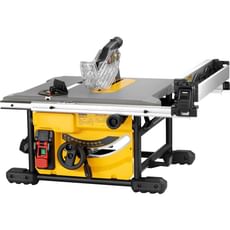
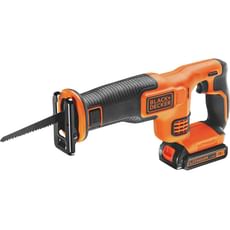
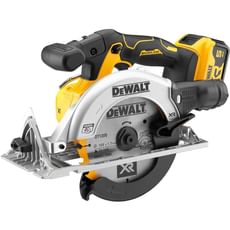
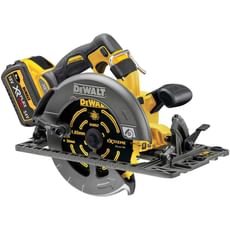
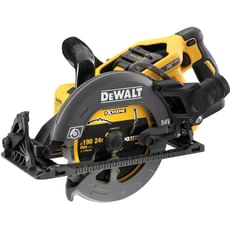
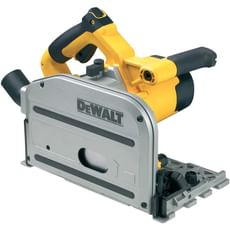
DeWalt DCS579 54v XR Cordless Brushless FLEXVOLT High Power Rail Compatible Circular Saw 190mm
in stock
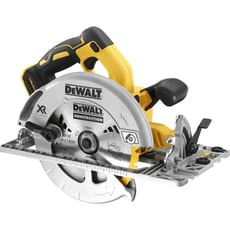
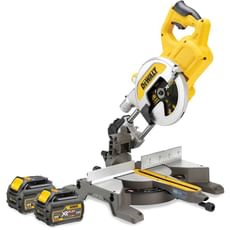
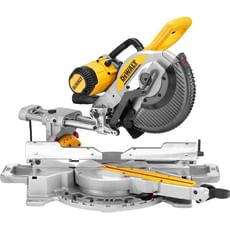
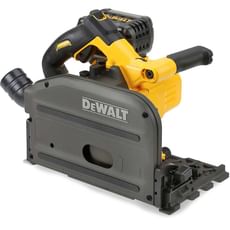
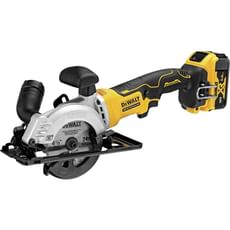
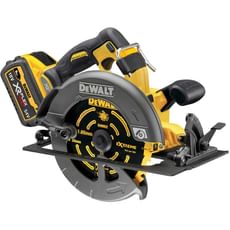
DeWalt DCS578 54v XR Cordless Brushless FLEXVOLT High Power Circular Saw 190mm
in stock
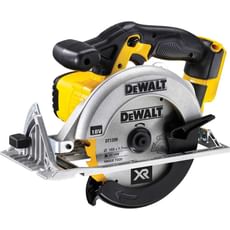
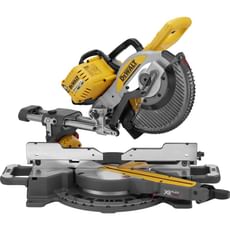
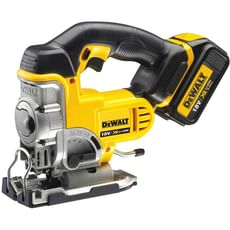
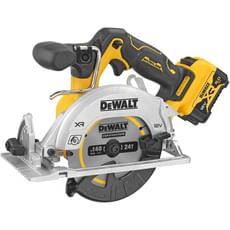
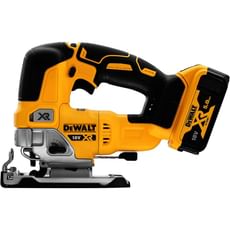
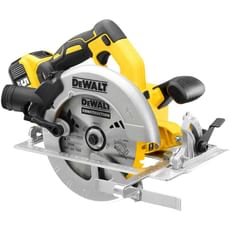
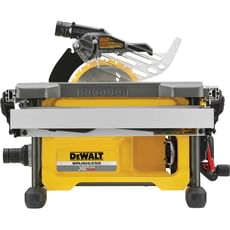
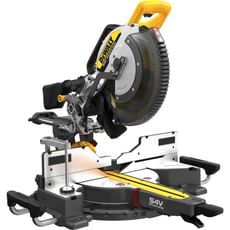
 Loading...
End of content
Error - No more pages to load
About Saws
Saws represent one of the most fundamental tool categories for professionals and DIY enthusiasts alike, encompassing everything from compact handheld jigsaws to substantial industrial-grade table saws. Whether you're cutting timber for structural framing, slicing through metal pipework, creating precise mitres for skirting boards, or scoring tiles for bathroom installations, the right saw transforms challenging tasks into manageable operations. Modern power saws combine precision-engineered components with powerful motors—available in both 240v corded and cordless battery formats—to deliver clean, accurate cuts across wood, metal, masonry, plastics, and composite materials.
The saws available at Tooled-Up.com span a comprehensive range of applications and user requirements. Professional tradespeople will find heavy-duty mitre saws from Makita and DeWalt for high-volume trim work, robust circular saws from Milwaukee for site-based carpentry, and precision table saws from Bosch for workshop accuracy. Reciprocating saws excel at demolition and rough cutting, whilst plunge saws paired with guide rails deliver the ultimate in portable sheet-cutting accuracy. Specialised options including tile saws with diamond blades, metal cut-off saws for steel fabrication, and delicate scroll saws for intricate woodworking ensure every cutting challenge has an engineered solution.
Selecting from the diverse saw types within this category depends on your specific trade requirements, the materials you work with most frequently, and whether portability or workshop-based precision takes priority. Cordless technology has revolutionised site work, with 18v lithium-ion platforms from leading manufacturers now rivalling the continuous power of traditional 240v corded models. Understanding the strengths of each saw type—from the versatile jigsaw's ability to follow curves to the table saw's unmatched capacity for repetitive rip cuts—helps you build a toolkit matched precisely to your professional or project needs.
Jargon Buster
- Blade Diameter: Measured in millimetres, this specification determines maximum cutting depth. A 190mm circular saw blade typically cuts approximately 65mm deep at 90 degrees, whilst 216mm mitre saw blades accommodate wider timber sections and skirting boards.
- No-Load Speed (RPM): Revolutions per minute indicates how fast the blade rotates without material contact. Higher speeds around 5,000-6,000 RPM suit timber cutting for clean finishes, whilst metal-cutting applications require slower speeds of 1,500-3,500 RPM to prevent overheating and premature blade wear.
- Bevel Capacity: The maximum angle the blade can tilt from vertical, typically 45 or 48 degrees. Essential for creating angled cuts without repositioning workpieces—particularly valuable for roofing, picture framing, and compound mitre work where both mitre and bevel angles combine.
- Brushless Motor: Advanced motor technology eliminating carbon brushes, resulting in longer runtime on battery-powered models, reduced maintenance requirements, cooler operation, and approximately 25% improved efficiency compared to traditional brushed motors.
- Plunge Function: Allows controlled blade entry at any point on a workpiece rather than starting from an edge. Critical for cutting openings, sink cut-outs in worktops, and internal sections without pre-drilling entry holes.
- Riving Knife: A safety device positioned directly behind the blade that prevents timber from pinching and causing dangerous kickback. Required on table saws and fitted as standard on quality circular saws to meet HSE safety recommendations.
Who Uses Saws?
- Carpenters and Joiners: Utilising mitre saws, table saws, and circular saws for first-fix framing, second-fix trim work, bespoke joinery, and architectural woodworking projects
- Builders and General Contractors: Requiring versatile cutting equipment for structural timber work, site-based fabrication, and general construction applications across residential and commercial projects
- Kitchen and Bathroom Fitters: Employing tile saws, plunge saws, and jigsaws for precision cutting of worktops, splashbacks, ceramic tiles, and laminate panels during installations
- Roofers and Roofing Contractors: Using circular saws and reciprocating saws for cutting roof timbers, fascias, soffit boards, and various roofing materials at height
- Flooring Specialists: Relying on table saws, mitre saws, and laminate cutters for accurate cutting of hardwood, engineered flooring, laminate, and vinyl planks
- Metal Fabricators and Engineers: Operating metal cut-off saws, bandsaws, and cold saws for precise cutting of steel, aluminium, and other metals in workshops and fabrication facilities
- Shopfitters: Creating bespoke retail displays, shelving systems, and commercial interiors requiring multiple saw types for timber, sheet materials, and decorative mouldings
- Maintenance Engineers and Facilities Managers: Performing repairs, alterations, and general maintenance requiring occasional cutting across commercial properties and estates
- DIY Enthusiasts and Home Improvers: Tackling renovation projects, garden construction, furniture building, and general home maintenance tasks
How to Choose the Right Saws
Application and Material Considerations: Your primary cutting requirements should drive saw selection. Circular saws deliver excellent portability and versatility for general site work, framing, and sheet material breakdown. Mitre saws specialise in crosscutting and angled work for skirting, architrave, and trim carpentry. Table saws provide unmatched accuracy for repetitive rip cuts and workshop-based operations. Jigsaws handle curves and intricate shapes, whilst reciprocating saws excel at demolition and rough cutting. Specialised saws like tile cutters with diamond blades and metal cut-off saws suit specific trade applications.
Power Source Selection: Cordless models powered by lithium-ion batteries offer exceptional mobility for site work, roofing, and locations without accessible mains power. Modern 18v platforms from Milwaukee, Makita, and DeWalt deliver performance rivalling 240v corded equivalents for most professional applications. However, corded models provide unlimited runtime for intensive workshop use and typically offer higher continuous power output. Consider your existing battery platform investments—choosing compatible tools maximises value and reduces charging equipment duplication.
Cutting Capacity and Specifications: Match saw capacity to typical workpiece dimensions. Blade diameter directly influences cutting depth—165mm circular saws manage approximately 55mm at 90 degrees, whilst 190mm models cut roughly 65mm. Mitre saws should accommodate your widest trim work, with 216mm models handling 300mm+ widths comfortably. Verify bevel and mitre angle ranges if you regularly cut compound angles for crown moulding, picture framing, or roofing applications.
Build Quality and Features: Professional-grade saws from Festool, Milwaukee, and Bosch incorporate robust construction, precision machined components, and advanced features including electronic brake systems, anti-kickback protection, and sophisticated dust extraction ports. Budget ranges from Einhell suit occasional DIY use but may lack durability demanded by daily professional operation. Mid-range options often provide excellent balance between affordability and longevity for serious enthusiasts and emerging tradespeople building their toolkit.
Safety and Ergonomics: Prioritise models featuring comprehensive blade guards, riving knives, and electric brakes that halt blades within seconds. Comfortable grip design, well-balanced weight distribution, and anti-vibration features reduce fatigue during extended use. Tool-free blade change systems, convenient depth adjustment mechanisms, and clear sight lines to cutting marks improve both safety and productivity.
Popular Accessories
- Saw Blades: Material-specific blades optimised for performance—TCT (tungsten carbide tipped) for timber, fine-toothed blades for metal, diamond blades for tiles and masonry, and multi-material options for varied applications
- Guide Rails and Track Systems: Precision aluminium extrusions from Festool, Makita, and DeWalt that transform plunge saws into highly accurate panel-cutting systems for worktop fabrication and sheet breakdown
- Mitre Saw Stands: Portable or fixed workstations with extending support arms, material stops, and integrated measuring systems providing stability and repetitive cut accuracy
- Dust Extraction Systems: Workshop vacuum cleaners and mobile extractors connecting to integrated ports, maintaining visibility, protecting respiratory health, and meeting HSE workplace dust control requirements
- Parallel Guides and Fence Systems: Precision rip guides that clamp to circular saws or table saw upgrade fences providing improved accuracy for straight-line cutting operations
- Safety Equipment: Hearing protection rated for 90+ dB noise levels, impact-resistant safety glasses meeting BS EN 166 standards, and dust masks or respirators appropriate for fine particle protection
- Spare Batteries and Fast Chargers: Additional capacity for cordless models ensuring continuous productivity—dual-port fast chargers minimise downtime during intensive work schedules
Safety Information
All power saws present significant hazards demanding respect, proper training, and adherence to safety protocols. Always wear appropriate personal protective equipment including impact-resistant safety glasses or face shields protecting against flying debris, hearing protection when operating power tools exceeding 85 dB, and dust masks or respirators when cutting materials generating fine particles. MDF, treated timber, hardwoods, and composite materials present particular respiratory hazards requiring appropriate filtration meeting FFP2 or FFP3 standards.
Ensure all electrical equipment displays correct voltage ratings—240v for UK mains supply—with intact cables, properly earthed connections via 13A plugs, and functional safety guards. Use residual current devices (RCDs) with 30mA trip sensitivity when operating mains-powered tools, particularly in damp conditions or on construction sites. Never bypass or remove safety guards, riving knives, or blade brakes, as these critical components prevent dangerous kickback and accidental contact injuries.
Maintain sharp blades in good condition—dull blades require excessive pressure, increasing slip risk and kickback potential whilst producing inferior cut quality. Always allow blades to stop completely before setting tools down, and disconnect power or remove batteries before changing blades or making adjustments. Secure workpieces properly with clamps or appropriate holding devices rather than hand-holding items being cut. Follow manufacturer instructions regarding maximum cutting capacities, appropriate blade selection for different materials, and recommended operational techniques.
The Health and Safety Executive (HSE) provides detailed guidance on safe use of woodworking machinery and power tools through information sheets WNIS15 (basic woodworking machines) and related publications. Employers must ensure operators receive adequate training, competency assessment, and that equipment undergoes regular maintenance and safety inspections. Self-employed tradespeople and DIY users share responsibility for safe working practices and should familiarise themselves with HSE guidance relevant to their activities. Control of Substances Hazardous to Health (COSHH) regulations apply to dust generated during cutting operations, requiring appropriate control measures in professional environments.
Frequently Asked Questions
What's the difference between a mitre saw and a table saw?
A mitre saw features a mounted circular blade that pivots downward to make crosscuts, angled mitre cuts, and bevel cuts in timber held against a fence—ideal for skirting, architrave, and framing work. A table saw has a blade protruding upward through a flat surface, excelling at ripping long boards lengthwise and cutting sheet materials with exceptional accuracy using parallel fences. Most professional workshops benefit from both types, as they complement different cutting operations rather than duplicating functionality.
Should I choose cordless or 240v corded saws?
Cordless models powered by 18v lithium-ion batteries provide excellent portability for site work, eliminate trailing cables, and deliver impressive performance rivalling corded equivalents for most applications. They're ideal for roofing, outdoor projects, and working away from mains supply. Corded 240v saws offer unlimited runtime for continuous workshop use, slightly higher sustained power output for demanding applications, and lower initial investment if you haven't existing battery platforms. Consider where you'll work most frequently and whether you've already invested in compatible battery systems from Tooled-Up ranges.
Can I use the same blade for cutting different materials?
Whilst multi-material blades exist offering acceptable compromise performance, using material-specific blades delivers superior results, longer blade life, and safer operation. Timber-cutting blades feature larger teeth with aggressive rake angles for fast cutting, metal-cutting blades have fine teeth preventing snagging and heat buildup, and diamond or abrasive blades suit masonry and ceramic tiles. Using inappropriate blades risks poor cut quality, excessive vibration, overheating, and potential safety hazards including increased kickback risk.
How deep can a circular saw cut?
Cutting depth depends primarily on blade diameter. A 165mm circular saw typically cuts approximately 55mm deep at 90 degrees, reducing to around 35mm at 45-degree bevel. A 190mm model manages roughly 65mm at 90 degrees and 45mm when bevelled. Professional timber framing using 100mm structural sections may require larger saws, track-mounted systems, or table saws, whilst most general carpentry, flooring, and sheet material work falls comfortably within standard circular saw capacities.
Do I need dust extraction on my saw?
Dust extraction significantly improves both safety and working conditions. Fine dust particles from cutting operations present serious respiratory health risks with prolonged exposure, particularly when working with MDF, treated timber, hardwoods, and composite materials containing formaldehyde resins. The HSE provides workplace exposure limits (WELs) that professional users must legally observe, with softwood dust limited to 5 mg/m³ and hardwood dust to 3 mg/m³. Even for DIY applications, connecting appropriate vacuum extraction to your saw's dust port maintains visibility of cutting lines, keeps work areas cleaner, and protects long-term respiratory health.