
Farm Jacks

Pay in 3 interest-free payments on purchases from £20-£3000 with  . Learn more.
Loading...
End of content
Error - No more pages to load
About Farm Jacks
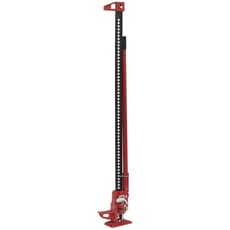
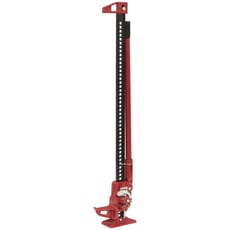
Farm jacks, also known as high-lift jacks or mechanical jacks, are indispensable heavy-duty lifting tools designed for agricultural, off-road, and industrial applications where conventional jacking equipment simply cannot cope. These robust mechanical devices utilise a climbing ratchet mechanism that travels along a vertical steel rail, capable of lifting extremely heavy loads—often exceeding several tonnes—through impressive heights of 1200mm or more. Unlike hydraulic trolley jacks suited to workshop environments, farm jacks excel in challenging outdoor conditions, making them essential equipment for farmers, agricultural contractors, groundskeepers, and off-road enthusiasts working on uneven terrain, muddy fields, or remote locations without access to power supplies.
The range available from Tooled-Up.com features professional-grade farm jacks from trusted manufacturers like Sealey, designed to deliver reliable performance when lifting tractors, combine harvesters, 4x4 vehicles, and other heavy machinery in the most demanding conditions. These versatile tools aren't limited to simple lifting operations—they can also function as winches, clamps, spreaders, and pushing devices, providing multi-purpose capability that proves invaluable during vehicle recovery, fence tensioning, tree stump removal, and machinery positioning tasks. Their independence from hydraulic or pneumatic power sources makes them particularly valuable for remote farm work and forestry operations.
Tooled-Up stocks complete farm jack units alongside essential accessories including wheel mount brackets for vehicle recovery work, off-road bases that prevent sinking into soft ground, and handle locks that enhance operational safety. This comprehensive selection ensures professionals and DIY enthusiasts alike can find the right equipment and accessories for their specific agricultural, maintenance, or off-road recovery needs.
Jargon Buster
- High-Lift Mechanism: The climbing system employing a reversible ratchet handle that moves the lifting nose up or down the vertical steel rail, providing mechanical advantage for lifting heavy loads without requiring hydraulic or pneumatic assistance.
- Lifting Nose/Runner: The moveable component that travels along the jack's upright rail and makes direct contact with the load being lifted. Can be reversed to provide different working configurations for lifting, clamping, or pulling operations.
- Load Capacity Rating: The maximum safe working load the farm jack can lift, typically ranging from 3 to 7 tonnes. Always verify this matches or exceeds your equipment's weight to ensure safe operation in accordance with HSE guidelines.
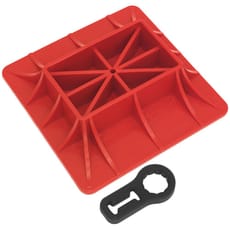
- Off-Road Base: A wider base plate accessory designed to prevent the jack sinking into soft ground conditions such as mud, sand, or loose soil—essential for stable operation in agricultural and field environments where conventional bases would prove inadequate.
- Wheel Mount Bracket: An accessory that allows the farm jack to be securely mounted to a vehicle's wheel, providing a stable attachment point for vehicle recovery and self-extraction from difficult terrain during off-road adventures.
- Handle Lock: A safety device that secures the operating handle in position to prevent accidental release or movement during lifting operations, significantly reducing the risk of sudden load drops that could cause serious injury.
Who Uses Farm Jacks?
- Farmers and Agricultural Contractors: For lifting tractors, combine harvesters, balers, and other farm machinery during maintenance, tyre changes, and field repairs in remote locations
- Groundskeepers and Estate Managers: Maintaining ride-on mowers, utility vehicles, and grounds maintenance equipment across large rural properties and country estates
- Off-Road Enthusiasts and 4x4 Owners: Essential recovery equipment for green laning, pay-and-play sites, and off-road adventures throughout the UK countryside
- Construction Site Managers: Lifting plant machinery, site vehicles, and equipment in remote locations without access to workshop facilities or mains power
- Forestry Workers: Moving and lifting heavy forestry equipment, timber, and machinery in woodland environments far from conventional workshops
- Vehicle Recovery Specialists: Professional recovery operators dealing with stuck or damaged vehicles in challenging rural and off-road locations
- Equestrian Facilities: Maintaining horse boxes, tractors, and agricultural vehicles at stables, riding schools, and equestrian centres
- Smallholders and Hobby Farmers: DIY enthusiasts managing small-scale agricultural operations requiring versatile heavy lifting equipment
How to Choose the Right Farm Jacks
Load Capacity: The most critical specification is the maximum load rating, typically measured in tonnes. Assess the heaviest equipment you'll be lifting—compact tractors typically weigh 1-2 tonnes, whilst mid-range agricultural tractors range from 3-6 tonnes. Remember you're lifting one corner or axle, not the entire weight. Always select a jack with capacity exceeding your heaviest anticipated load by a comfortable safety margin, following HSE guidelines for lifting equipment.
Lifting Height: Consider the total lift range required for your applications. Standard farm jacks typically offer 1200-1500mm of travel, but verify this meets your needs—particularly important for high-clearance tractors and specialist agricultural machinery. The effective lifting height begins from the base position, so account for ground clearance when calculating your requirements.
Base Stability: For agricultural use on soft or uneven ground, prioritise models with robust base plates or consider purchasing off-road base accessories. These wider bases distribute the jack's weight more effectively, preventing dangerous sinking into mud, sand, or ploughed fields that could destabilise the jack during operation and create serious safety hazards.
Build Quality and Materials: Professional-grade farm jacks from manufacturers like Sealey feature heavy-gauge steel construction with corrosion-resistant finishes—essential for withstanding harsh outdoor conditions, exposure to agricultural chemicals, and the rigours of farm work. Check for quality welding, smooth rail surfaces, and robust ratchet mechanisms that will endure years of demanding use in challenging environments.
Safety Features: Look for jacks incorporating safety elements such as positive locking mechanisms, handle locks to prevent accidental release, and clear load capacity markings. These features significantly reduce accident risk when working with multi-tonne loads in potentially hazardous environments away from workshop facilities.
Accessories and Compatibility: Evaluate what accessories you'll need for your specific applications—wheel mount brackets for vehicle recovery work, extended bases for soft ground, or additional nose attachments for different lifting points. Sealey's comprehensive farm jack system offers compatible accessories that integrate seamlessly with their jack units.
Popular Accessories
- Off-Road Bases: Essential wide-footprint bases preventing jack sinkage in soft ground, mud, and agricultural terrain
- Wheel Mount Brackets: Secure attachment systems for vehicle recovery and self-extraction operations in challenging off-road conditions
- Handle Locks: Safety devices preventing accidental handle release during lifting operations, essential for safe working practices
- Lift Mate Adaptors: Alternative lifting points and nose attachments for different load configurations and machinery types
- Tow Chains and Straps: Heavy-duty recovery equipment for winching and pulling operations in vehicle recovery scenarios
- Jack Storage Bags: Weather-resistant covers protecting your investment from corrosion and damage during storage
- Axle Stands: Essential secondary support once load is lifted—never work under jack-supported loads alone
- Work Gloves: Quality protective gloves from brands like Portwest for safe handling of heavy jacking equipment
- Recovery Equipment: Bow shackles, snatch blocks, and rated lifting points for comprehensive recovery capabilities
Safety Information
Critical Load Support: Never work beneath a load supported only by a farm jack. Always use appropriate axle stands, blocks, or secondary support systems before placing any part of your body under lifted equipment. Farm jacks are designed for lifting, not as permanent load-holding devices—a crucial distinction that prevents serious injuries and fatalities in agricultural and off-road environments.
Stable Positioning: Ensure the jack base sits firmly on solid, level ground before commencing lifting operations. On soft surfaces, always use an off-road base or substantial timber base plate to distribute weight and prevent dangerous sinking or tipping. Check the load is properly centred over the jack's lifting point to avoid lateral instability that could cause the jack to topple.
Regular Inspection: Before each use, inspect the jack for damage, wear, or deterioration—particularly the rail surface, climbing mechanism, and handle assembly. Agricultural environments expose equipment to moisture, chemicals, and debris that can compromise safety. Remove any dirt or debris from the rail and mechanism, and apply appropriate lubrication to moving parts according to manufacturer guidelines.
Capacity Compliance: Strictly observe the manufacturer's rated load capacity and never exceed specified limits. Overloading dramatically increases failure risk and voids any warranty. If uncertain about load weights, err on the side of caution and use higher-capacity equipment or alternative lifting methods to ensure safe working practices.
Controlled Operation: Operate the handle smoothly and deliberately, maintaining awareness of pinch points and potential crush hazards. Ensure all bystanders maintain safe distance during lifting and lowering operations. When lowering loads, control descent speed carefully—never allow free-fall descent, which can damage both the jack and the load whilst creating serious safety hazards.
PPE Requirements: Wear appropriate personal protective equipment including steel toe-capped boots, work gloves, and high-visibility clothing when operating farm jacks, particularly on active farm sites or near public rights of way. Follow HSE guidance for manual handling and lifting operations in agricultural environments to ensure compliance with UK workplace safety regulations.
Frequently Asked Questions
What's the difference between a farm jack and a hydraulic trolley jack?
Farm jacks use mechanical advantage through a climbing ratchet mechanism rather than hydraulics, making them ideal for rough terrain and remote locations where conventional jacks cannot operate. They offer much greater lifting height (typically 1200-1500mm versus 300-500mm) and can perform multiple functions including lifting, clamping, winching, and spreading. Whilst hydraulic jacks excel in workshop environments, farm jacks are designed specifically for outdoor, agricultural, and off-road applications where ground conditions are challenging and power supplies unavailable.
Can I use a farm jack for vehicle recovery and self-extraction?
Yes, farm jacks are excellent for vehicle recovery when combined with appropriate accessories like wheel mount brackets and recovery straps. They can lift stuck vehicles clear of obstacles, provide winching capability using the climbing mechanism, and even act as a come-along for pulling vehicles from difficult terrain. However, always ensure you're working on stable ground with proper anchoring points, and follow safe recovery practices to prevent equipment damage or personal injury during off-road recovery operations.
What load capacity farm jack do I need for agricultural equipment?
For most agricultural applications, a 3-4 tonne capacity farm jack handles typical tractors and implement maintenance. Compact tractors typically weigh 1-2 tonnes, whilst mid-range agricultural tractors range from 3-6 tonnes—remember you're lifting one corner or axle, not the entire weight. For larger farm machinery, combines, or heavy plant equipment, consider 5-7 tonne capacity models. Always verify your specific equipment weights and select jack capacity with adequate safety margin above the heaviest anticipated load in accordance with HSE lifting equipment guidelines.
How do I prevent my farm jack sinking into soft ground?
Soft ground presents the most common challenge for farm jack operation. Always use an off-road base accessory designed to spread the jack's weight across a larger surface area. Alternatively, position the jack on substantial timber planks (minimum 50mm thick hardwood) or steel plates. For extremely soft conditions like deep mud or waterlogged fields, consider using multiple layers of timber crossed at right angles to maximise stability. Never attempt lifting operations if the base shows any signs of sinking—reposition with better ground support before proceeding to avoid dangerous instability.
Do farm jacks require regular maintenance?
Yes, regular maintenance ensures safe operation and extends equipment lifespan. After each use, clean the rail and mechanism of mud, debris, and agricultural residues. Apply light machine oil to the rail and moving parts, but avoid excessive lubrication which attracts dirt. Periodically inspect for wear, damage, or corrosion—particularly around welds, the ratchet mechanism, and handle assembly. Store in dry conditions when not in use, and conduct thorough annual inspections for professional or frequent-use applications, in line with HSE requirements for lifting equipment maintenance and workplace safety compliance.