

Sanders
Pay in 3 interest-free payments on purchases from £30-2000 with  . Learn more.
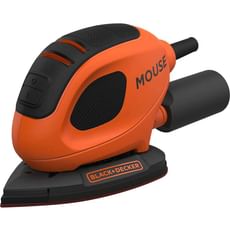
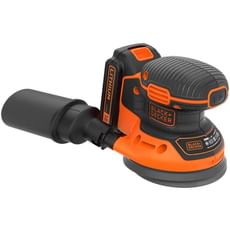
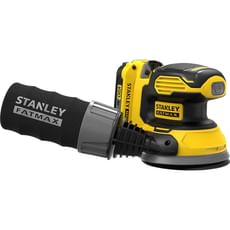
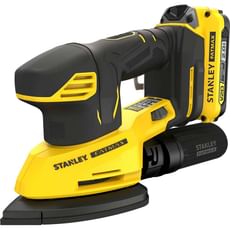
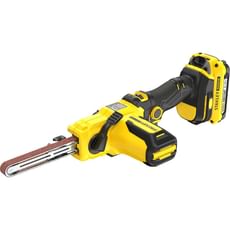
Stanley Fatmax V20 SFMCW220 18v Cordless Random Orbit Disc Sander 125mm
in stock
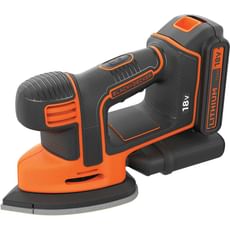
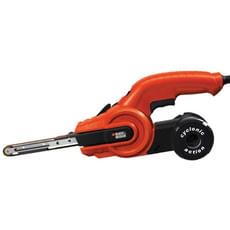
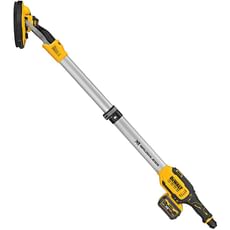
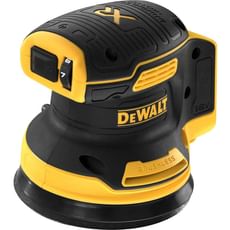
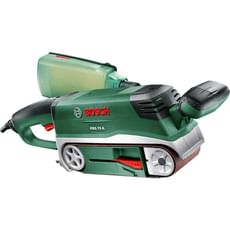
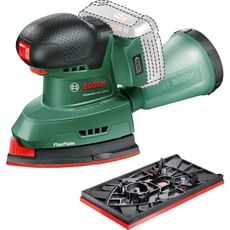
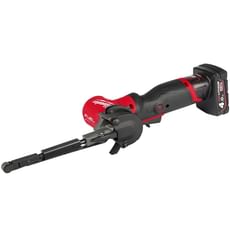
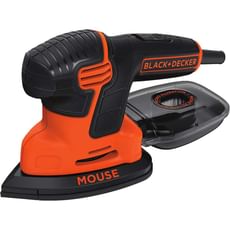
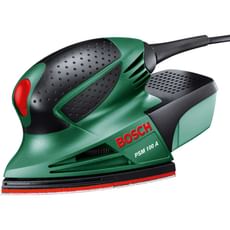
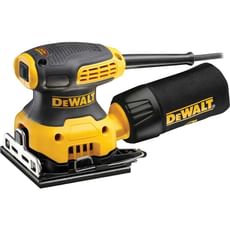
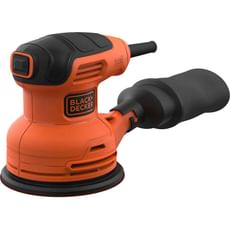
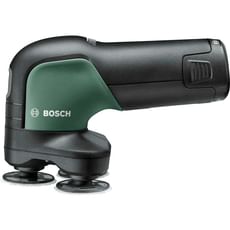
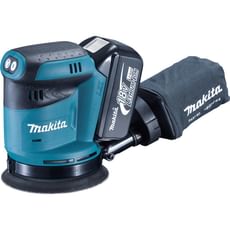
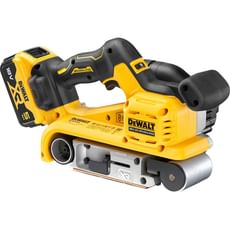
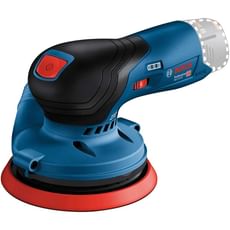
Bosch GEX 12V-125 12v Cordless Brushless Random Orbital Disc Sander 125mm
in stock
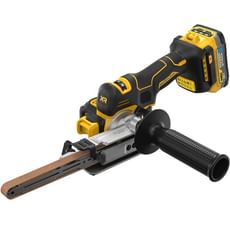
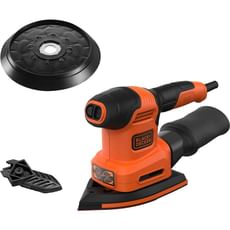
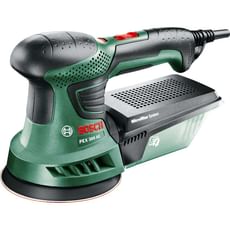
 Loading...
End of content
Error - No more pages to load
About Sanders
Sanders are indispensable power tools engineered to smooth, finish, and prepare surfaces across wood, metal, plastic, and composite materials. Whether you're stripping old finishes from furniture, preparing timber for painting, smoothing plasterboard joints, or achieving a flawless finish on bespoke cabinetry, the right sander transforms laborious hand-sanding into efficient, professional-quality work. Modern sanders combine powerful motors with sophisticated dust extraction systems and ergonomic designs that minimise fatigue whilst maximising material removal rates. From aggressive stock removal to ultra-fine finishing, sanders have become essential across numerous trades and applications.
The diversity of sanders available reflects the varied demands of professional tradespeople and DIY enthusiasts alike. Belt sanders deliver aggressive material removal for large flat surfaces and paint stripping. Random orbital sanders provide swirl-free finishes on both curved and flat surfaces, making them the most versatile choice for general purpose work. Palm sanders and sheet sanders excel at detail work and edge finishing. Delta sanders with their triangular pads reach into corners and tight angles. Wall sanders mounted on extending poles tackle ceilings and walls without ladders, whilst specialised tools like bobbin sanders smooth curved edges and disc sanders handle edge finishing tasks. Understanding these distinctions helps you select the most effective tool for each application.
Leading manufacturers including Makita, DeWalt, Bosch Professional, Festool, Milwaukee, and Fein have developed comprehensive sanding tool ranges catering to everyone from occasional DIYers to site joiners and furniture makers. Tooled-Up.com stocks sanders across all performance tiers, from budget-friendly entry-level models for home projects through to professional-grade tools featuring advanced technologies like variable speed control, electronic vibration dampening, and high-efficiency HEPA filtration systems that capture over 90% of hazardous dust particles.
Jargon Buster
- Random Orbital Action: The combined rotational and elliptical sanding motion that prevents directional scratches and swirl marks. This dual-action movement allows faster material removal than fixed orbital patterns whilst still achieving a superior surface finish suitable for staining and clear finishes.
- Grit Rating: The numerical measure of abrasive particle size on sanding discs, sheets, and belts. Lower numbers (40-80 grit) indicate coarse abrasives for heavy material removal and paint stripping, medium grits (80-120) suit general smoothing work, whilst higher numbers (180-320+ grit) represent fine abrasives for final finishing and between-coat sanding.
- OPM (Orbits Per Minute): The speed measurement for orbital and random orbital sanders, typically ranging from 10,000 to 26,000 OPM. Higher speeds remove material faster but require greater control and can burn delicate materials; variable speed settings allow adjustment for different surfaces and finishing requirements.
- Dust Extraction Efficiency: The percentage of sanding dust captured by the tool's collection system, usually expressed as a rating. Professional sanders with integrated dust collection and extraction port connections can capture 90-95% of particles, dramatically improving visibility, extending abrasive life, and protecting respiratory health from hazardous wood dust.
- Hook-and-Loop Fixing: The quick-change attachment system (similar to Velcro) used on modern sanders, allowing rapid replacement of abrasive discs and sheets without adhesives or clamps. This system saves time and ensures consistent abrasive positioning for optimal dust extraction through perforated backing pads.
- Belt Speed: For belt sanders, the measurement of how fast the abrasive belt travels, expressed in metres per second (m/s). Typical belt speeds range from 200-500 m/s, with higher speeds providing faster material removal but requiring more skill to control and prevent surface damage.
Who Uses Sanders?
Sanders are invaluable tools across numerous trades and applications:
- Joiners and carpenters – smoothing timber components, preparing surfaces for finishing, creating flush joints on cabinetry, and achieving precision fits on bespoke joinery
- Decorators and painters – preparing walls and woodwork, removing old paint and varnish, creating keys for new coatings, smoothing filler, and feathering repair areas
- Kitchen and bathroom fitters – finishing worktops, preparing surfaces for tiling, trimming door edges, and smoothing laminate joints
- Furniture makers and restorers – achieving fine finishes on bespoke pieces, stripping old finishes, preparing wood for staining or oil finishes, and restoring antique furniture
- Flooring specialists – finishing wooden floors, smoothing filler between boards, edge sanding, and preparing subfloors
- Boat builders – fairing fibreglass and timber hulls, preparing surfaces for gelcoat and marine paint systems
- Body shop technicians – preparing automotive bodywork for painting, feathering repair areas, and smoothing filler
- Plasterers and drywallers – smoothing plasterboard joints, levelling filler and compound, and preparing surfaces for decoration
- Shopfitters and exhibition builders – finishing display units, preparing surfaces for vinyl application, and achieving quick turnaround on site installations
- DIY enthusiasts – home improvement projects, furniture upcycling, woodworking hobbies, and general property maintenance
How to Choose the Right Sanders
Type of Work: Consider your predominant applications. Belt sanders excel at aggressive stock removal, levelling uneven timber, and stripping large flat surfaces quickly. Random orbital sanders are the most versatile choice, providing swirl-free finishes on curved and flat surfaces for furniture making, cabinetry, and general joinery. Sheet sanders (palm or finishing sanders) suit detail work, edge finishing, and reaching into corners. Delta sanders with triangular pads access tight angles in skirting, window frames, and furniture joints. Wall sanders on extending poles tackle ceilings and walls without ladders. Specialised tools like bobbin sanders smooth curved edges, whilst disc sanders handle edge finishing and bevelling tasks.
Power Source: Mains-powered 240v corded sanders deliver consistent power for extended workshop sessions and site work with reliable electricity access. Cordless sanders powered by lithium-ion batteries (typically 18v platforms) offer excellent mobility for site installations, working at height, and moving between locations without trailing cables. Modern cordless models from Tooled-Up's professional ranges provide performance comparable to corded equivalents for most applications. Consider runtime requirements and whether you already have batteries within a particular manufacturer's platform ecosystem – matching your existing Makita, DeWalt, or Milwaukee battery system maximises value and convenience.
Power and Performance: Corded sanders typically range from 200w for compact palm sanders to 1200w+ for heavy-duty belt sanders. Higher wattage generally means faster material removal, though motor efficiency varies between manufacturers. Check the OPM rating for orbital sanders (12,000-26,000 typical range) and belt speed for belt sanders – faster isn't always better if you're working with delicate veneers or require fine control. Variable speed control allows adjustment for different materials and prevents surface burning.
Dust Extraction: Professional-grade sanders from brands like Festool and Bosch Professional feature highly efficient dust collection systems capturing over 90% of particles, essential for complying with HSE guidelines on workplace exposure to wood dust (classified as a carcinogen under COSHH regulations). Look for integrated dust collection boxes for occasional use, or extraction ports compatible with workshop vacuum systems for regular professional work. Models with multi-hole dust extraction patterns and shrouded designs significantly improve visibility, extend abrasive life, and reduce cleanup time whilst protecting long-term respiratory health.
Ergonomics and Vibration: Extended sanding sessions can cause fatigue and contribute to Hand Arm Vibration Syndrome (HAVS). Quality sanders incorporate anti-vibration systems, rubberised grips, and balanced weight distribution. If you're using sanders daily, investing in low-vibration models helps comply with the Control of Vibration at Work Regulations 2005 and protects your long-term health. Consider overall weight, grip positions, trigger placement, and whether the design suits your hand size and working style – comfort matters on longer projects.
Budget and Quality Tiers: Entry-level sanders (£30-£80) from brands like Einhell suit occasional DIY use and light-duty applications. Mid-range options (£80-£200) from DeWalt, Bosch, and Makita offer better durability, performance, and dust extraction for regular tradespeople and serious DIY enthusiasts. Professional-grade tools (£200-£600+) from Festool, Fein, and Milwaukee justify their premium cost through superior build quality, advanced features, innovative dust extraction technology, longer warranties, and extensive service networks for daily commercial use.
Popular Accessories
- Abrasive Consumables: Sanding sheets, discs, and belts in various grit ratings from manufacturers like Bosch, Festool, and Mirka. Stock a progression from coarse (40-60 grit) through medium (80-120 grit) to fine (180-320 grit) for different finishing stages. Multi-hole patterns ensure compatibility with dust extraction systems.
- Dust Extraction Systems: Workshop vacuums and dust extractors with HEPA filtration from brands like Festool, Bosch, and DeWalt that connect to sander extraction ports. Essential for maintaining clean, safe working environments and complying with HSE wood dust exposure limits.
- Backing Pads: Replacement backing pads in different hardness levels for various applications – soft pads for contoured surfaces and following curves, medium pads for general purpose work, hard pads for flat sanding and maximum material removal, and perforated pads for optimal dust extraction efficiency.
- Extraction Hoses and Adaptors: Flexible extraction hoses and connector adaptors that allow sanders to interface with different vacuum systems, particularly useful when working across multiple tool brands or connecting to site extraction equipment.
- Carry Cases and Storage: Protective cases and organisers that accommodate the sander, accessories, and abrasives, keeping everything organised and protected during transport between sites. Many manufacturers offer stackable storage systems like DeWalt TSTAK, Milwaukee PACKOUT, and Makita MakPac.
- Spare Carbon Brushes: For corded sanders, replacement carbon brushes ensure minimal downtime when these serviceable wear items eventually need changing after extended use.
- Sanding Frames and Blocks: Manual sanding accessories that complement power sanders for hand-finishing work, tight spaces, and areas where powered tools cannot safely reach.
- Anti-Vibration Gloves: Specialised gloves that reduce vibration transmission to hands and help prevent HAVS when using sanders for extended periods.
Safety Information
Respiratory Protection: Wood dust, particularly from hardwoods, MDF, and certain treated timbers, is classified as a carcinogen under COSHH regulations. Always use effective dust extraction systems and wear appropriate respiratory protection (minimum FFP2 masks, FFP3 for sustained exposure) even when using tools with integrated extraction. The HSE sets Workplace Exposure Limits (WEL) for wood dust at 3mg/m³ for softwood and 1mg/m³ for hardwood that employers must observe. Self-employed tradespeople should apply the same standards to protect their health.
Eye Protection: Wear safety glasses or goggles conforming to EN 166 standards to prevent dust and debris entering eyes, even when using tools with dust collection systems. Particles can still escape, particularly when sanding overhead or in confined spaces.
Hearing Protection: Many sanders produce noise levels requiring hearing protection under the Control of Noise at Work Regulations 2005. Prolonged exposure above 85dB necessitates ear defenders or plugs. Belt sanders and larger disc sanders typically produce higher noise levels than palm or orbital sanders.
Vibration Awareness: Hand Arm Vibration Syndrome (HAVS) is a serious occupational health concern for those using power tools regularly. Know your sander's vibration emission value (measured in m/s²), which manufacturers must provide. Take regular breaks, maintain tools properly with sharp abrasives, keep hands warm, and use anti-vibration gloves where appropriate. Employers must assess and manage vibration exposure under the Control of Vibration at Work Regulations 2005, with daily exposure action and limit values that must not be exceeded.
Electrical Safety: Ensure sanders are PAT tested regularly if used in commercial environments. Check cables and plugs before each use for damage. Use RCD protection (30mA trip) when working on construction sites or with extension leads. Never use damaged electrical equipment, and disconnect from power before changing abrasives or performing maintenance.
Secure Workpieces: Always clamp or secure items being sanded to prevent movement. Never hold small pieces by hand whilst sanding as loss of control can result in injury. Ensure adequate lighting and maintain clear, organised work areas free from trip hazards. Be particularly cautious when sanding near edges where the tool can catch and kick.
Material Awareness: Some materials release toxic dust when sanded, including lead paint (common in pre-1970s properties), pressure-treated timber, certain plastics, and composite materials. Identify materials before sanding and take appropriate precautions including enhanced extraction, respiratory protection, and potentially specialist abatement procedures. Test for lead paint before sanding older painted surfaces.
Frequently Asked Questions
What's the difference between orbital and random orbital sanders?
Standard orbital sanders (sheet sanders) move in a fixed square or rectangular pattern and are excellent for fine finishing with minimal material removal, particularly on edges and in corners. Random orbital sanders combine rotation with an offset orbital motion, providing significantly faster stock removal whilst still achieving swirl-free finishes suitable for staining and clear coatings. Random orbital sanders are more versatile for general purpose work on both flat and curved surfaces, whilst sheet sanders excel at detail finishing, edge work, and getting into tight spaces. For most tradespeople, a random orbital sander is the more practical all-round choice.
Can I use a sander to remove paint from walls and ceilings?
Yes, wall sanders with extending poles and integrated dust extraction are specifically designed for this task, allowing you to sand walls and ceilings efficiently without ladders or scaffolding. For smaller areas, palm sanders or sheet sanders work well. However, always test for lead paint in pre-1970s properties – if present, specialist abatement procedures and notifications are required rather than dry sanding. Always use proper dust extraction as paint dust presents significant health hazards, and wear appropriate respiratory protection rated for the specific contaminants.
How do I know which grit sandpaper to use?
Start with coarse grits (40-60) for heavy paint removal, significant levelling work, or stripping old finishes. Progress to medium grits (80-120) for general smoothing, removing minor imperfections, and preparing surfaces for finishing. Use fine grits (180-240) for final finishing before painting, staining, or varnishing to achieve a smooth surface. Very fine grits (320-400+) are for between-coat sanding of finishes and achieving ultra-smooth surfaces. Always progress gradually through grits – jumping from 60 directly to 240 won't save time as coarse scratches will remain visible through finishes and stains. Each grit should remove the scratches from the previous grit.
Are cordless sanders powerful enough for professional use?
Modern cordless sanders from professional ranges by Milwaukee, DeWalt, Makita, and Festool deliver performance comparable to corded equivalents for most applications. Battery technology has advanced significantly, with 18v platforms offering ample runtime for typical site work and installations. The mobility benefits often outweigh any slight power difference, particularly for site joiners, kitchen fitters, and installers working across multiple locations. Keep spare batteries charged for uninterrupted work, and consider high-capacity battery packs for extended runtime. Corded models remain preferable if you're predominantly workshop-based or undertaking prolonged heavy sanding sessions, but cordless technology has reached the point where most professionals can work entirely cordless.
Why is dust extraction so important on sanders?
Effective dust extraction serves multiple critical purposes. Most importantly, it protects your respiratory health – wood dust is classified as a carcinogen, and the HSE strictly regulates workplace exposure through COSHH. Professional sanders with 90%+ extraction efficiency are investments in your long-term health. Beyond health protection, good dust extraction dramatically improves visibility of your work surface, allowing you to see imperfections and monitor progress. It extends abrasive life by preventing clogging and loading, reduces cleanup time significantly, and protects other equipment in the workshop from dust contamination. Poor dust control also affects others in your working environment, potentially exposing colleagues or family members to hazardous particles.