
Blue Spot Bladed Scrapers

Loading...
End of content
Error - No more pages to load
Blue Spot Bladed Scrapers at Tooled-Up.com
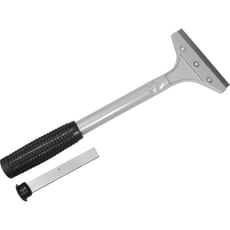
Blue Spot Bladed Scrapers are hand tools for lifting and removing material from flat and shaped surfaces, such as old paint, dried adhesive, sealant, gasket residue and general debris. A blade held in a handle gives you controlled, direct pressure where sanding or chemical stripping alone would be slow or messy.
Tooled-Up.com stocks Blue Spot Bladed Scrapers for decorators, joiners, fitters, maintenance teams and home improvers who want a practical, no-nonsense scraper for regular use. Blue Spot tools are built around everyday usability, so these scrapers suit site work, workshop tasks and household renovation jobs alike.
Browse the Scrapers sub-category to compare the Blue Spot options. Check each product listing for blade type, handle style and size to match the scraper to your job.
Key Features of Blue Spot Bladed Scrapers
- Replaceable blades: A bladed scraper lets you swap a worn edge for a fresh one instead of replacing the whole tool. This keeps running costs down and keeps cutting performance consistent.
- Comfortable handles: A well-shaped handle helps you apply steady pressure and reduces hand fatigue over longer scraping sessions. This matters when stripping a whole room or clearing a large area of adhesive.
- Sharp, defined edge: A blade gets under coatings and residue cleanly, so you spend less time on stubborn patches and leave a better surface for the next stage.
- Different sizes and styles: A narrow blade suits detail work and tight corners, while a wider blade covers flat areas faster. Check the specification on each listing for dimensions and blade details.
- Simple, practical design: These scrapers are straightforward to use, easy to keep in a tool bag and quick to pick up for a short job.
Who Uses Blue Spot Bladed Scrapers?
- Painters and decorators: Removing flaking paint, stripping wallpaper residue and preparing surfaces before redecorating.
- Joiners and carpenters: Cleaning off dried glue and tidying up joints and surfaces.
- Flooring fitters: Lifting adhesive residue and clearing small areas of subfloor before laying new flooring.
- Glaziers and window fitters: Removing old sealant and putty from frames and clearing paint splashes from glass.
- Maintenance engineers: Scraping gasket remnants and cleaning up components and equipment.
- DIY enthusiasts: Home renovations, furniture restoration and general property upkeep.
Popular Blue Spot Bladed Scrapers
The Blue Spot selection sits within the Scrapers sub-category, so it is the best place to start when you are comparing options. Scrapers with replaceable blades are the most versatile choice for general scraping across paint, adhesive and sealant. Narrower scrapers suit detail work, while broader blades make quicker work of larger flat surfaces.
Choose the scraper that matches your material and working space. Shop Blue Spot Bladed Scrapers at Tooled-Up.com and use the product details to confirm blade fit, handle style and size before you order. Always check which replacement blades suit your chosen model so you can restock easily.
Frequently Asked Questions
How do I choose the right Blue Spot bladed scraper?
Start with the job. Pick a narrow blade for detail work and corners, and a wider blade for larger flat areas. Then check the handle style and how the blade is fitted, using the product listing at Tooled-Up.
Can I use a bladed scraper on glass?
Yes, a bladed scraper can be used on glass with care. Keep the blade flat against the surface, use a fresh, undamaged edge and wet the glass first to reduce the risk of scratching. Test a small area first if you are unsure.
When should I replace the blade?
Replace it as soon as it feels dull, you need extra force to make it cut, or the edge is chipped or damaged. A sharp blade gives better results and is safer, as it is less likely to slip.
Are there safety points to remember when scraping?
Always scrape away from your body and wear gloves and eye protection. Dispose of used blades safely. If you are working on older paint or materials that may contain hazardous substances, follow HSE guidance and COSHH requirements before you start.