
Blue Spot Cutting & Sawing Tools







Loading...
End of content
Error - No more pages to load
Blue Spot Cutting & Sawing Tools at Tooled-Up.com
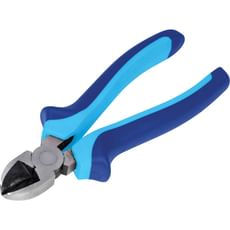
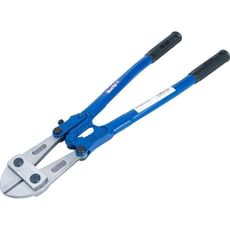
Blue Spot Cutting & Sawing Tools cover the hand-held cutting jobs that come up on every site and in every workshop, from trimming timber and slicing sheet material to snipping metal and punching holes in leather or card. Tooled-Up.com stocks the Blue Spot selection across cutters, knives, punch pliers, saws, and shears and snips, so you can match the right tool to the material in front of you.
These are practical, no-frills hand tools built for regular use. Choose a saw for sizing timber, a knife for scoring and trimming, shears or snips for sheet metal and general cutting, or punch pliers for clean, accurate holes. Each type is designed for a specific task, which helps you work faster and get cleaner results.
Key Features of Blue Spot Cutting & Sawing Tools
- Sharp, durable cutting edges: Blades, teeth and jaws are made to hold an edge through repeated use, so you spend less time swapping or replacing tools mid-job.
- Comfortable handles: Shaped grips on saws, snips and pliers help reduce hand fatigue during long cutting sessions and give you better control for accurate work.
- Task-specific designs: Straight, curved and compound-action patterns suit different cutting styles, from long straight runs to tight curves and detailed trimming.
- Hardpoint saw teeth: Hardpoint-style saw blades cut quickly through timber and stay sharp for longer than many traditional teeth. They are not designed to be resharpened, so replace them once they dull.
- Hand-powered convenience: No batteries and no 240v supply needed, so these tools are ready wherever you are working, whether that is a loft, a roof or a van-side bench.
- Practical for the toolbox: Compact cutters, knives and snips slip easily into a tool bag or pouch for quick access.
Who Uses Blue Spot Cutting & Sawing Tools?
Blue Spot Cutting & Sawing Tools suit a wide spread of trades and projects:
- Carpenters and joiners sizing timber, trimming mouldings and cutting boards to length
- General builders who need dependable cutting tools for varied site work
- Plumbers and heating engineers cutting pipe, sheet and lagging
- Electricians trimming trunking, cable sheathing and packaging
- Roofers and fabricators cutting sheet metal and flashing with shears and snips
- Maintenance teams who need versatile cutting tools for repairs
- DIY enthusiasts tackling home improvements, crafts and repairs
Popular Blue Spot Cutting & Sawing Tools
Browse the Blue Spot selection at Tooled-Up.com by tool type to find the right fit for your work.
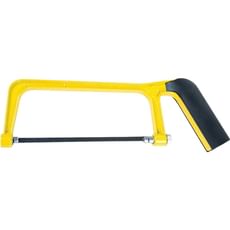
Saws
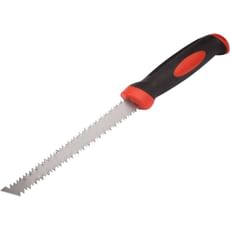
Hand saws for cutting timber and boards, suited to general carpentry, first-fix work and DIY projects.
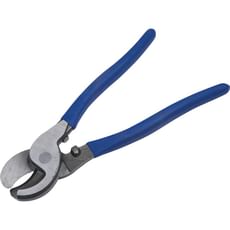
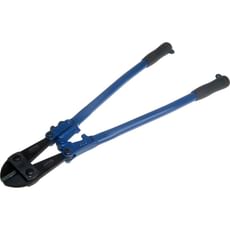
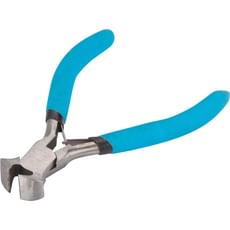
Cutters
Cutting tools for trimming and sizing a range of materials, handy for both trade and household tasks.
Knives
Knives for marking, scoring, trimming and opening, suited to everyday site and workshop use.
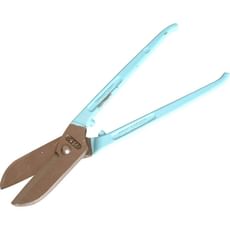
Shears & Snips
Hand-operated shears and snips for cutting sheet material and thin metal, with options for straight and curved cuts.
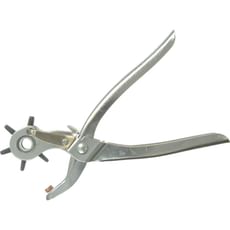
Punch Pliers
Punch pliers for making neat, accurate holes in belts, leather, card and other thin materials.
Frequently Asked Questions
How do I choose between shears and snips?
Think about the cut. Straight-cut patterns are best for long, direct lines, while curved or compound-action snips handle tighter shapes and give more leverage on tougher sheet material. Always check the tool is suited to the thickness and type of material.
Can I resharpen a hardpoint saw?
No. Hardpoint teeth are hardened for a longer working life but are not designed to be resharpened. When the saw stops cutting cleanly, replace it. Keeping the blade clean and dry will help it last.
What are punch pliers used for?
Punch pliers make clean, round holes in thin materials such as leather, belts, straps and card. They are useful for adjusting or repairing fixings and for crafts, without needing a drill.
How should I look after cutting tools?
Wipe blades clean after use, store tools dry to prevent rust, and keep sharp edges protected. Wear safety glasses and suitable gloves when cutting, and follow HSE guidance for work on site.