
Blue Spot Hammers

Loading...
End of content
Error - No more pages to load
Blue Spot Hammers at Tooled-Up.com
Blue Spot Hammers cover the main striking jobs on site, in the workshop and around the home. The selection is split into brick hammers, claw hammers, club hammers and soft face hammers, so it is easy to match the head style to the task, from driving and pulling nails to cutting brick and tapping parts into place without marking them.
Tooled-Up.com stocks Blue Spot Hammers for tradespeople who want straightforward, practical striking tools, and for DIYers who need the right hammer for a specific job. Each type is built around a single purpose, which makes choosing simpler than picking one general-purpose tool and making do.
Key Features of Blue Spot Hammers
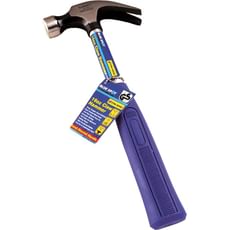
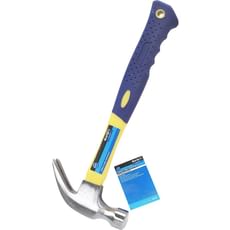
- Claw hammers: A flat striking face drives nails, and the curved claw pulls them out again. This makes one tool useful for both fixing and stripping out.
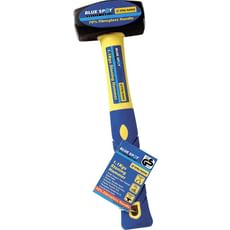
- Club hammers: A heavy, compact head delivers plenty of force in short, controlled swings. This suits driving chisels and bolsters, and light demolition.
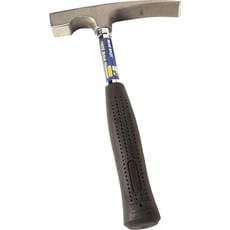
- Brick hammers: A striking face is paired with a chisel-style blade. Bricklayers can trim and cut bricks and blocks without swapping tools.
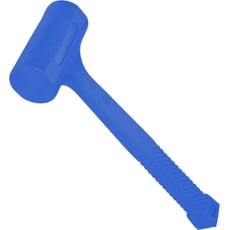
- Soft face hammers: Non-metallic or softer striking faces deliver a firm blow while reducing the risk of marking, denting or damaging the workpiece.
Choosing the right head weight and style for the job means less wasted effort, better accuracy and less strain on wrists and forearms over a long day.
Who Uses Blue Spot Hammers?
- Carpenters and joiners: Claw hammers for first and second fix, framing and general timber work.
- Bricklayers and stonemasons: Brick hammers for cutting and trimming, and club hammers for chisel work.
- General builders: Club and claw hammers for formwork, strip-out and site preparation.
- Fencing contractors and landscapers: Club hammers for driving stakes and pegs, and for edging and paving work.
- Fitters and installers: Soft face hammers for adjusting and seating components without leaving marks.
- DIY enthusiasts and apprentices: A sensible way to build a toolkit with the right hammer for each task.
Popular Blue Spot Hammers
Claw Hammers
The first hammer most toolboxes need. Blue Spot claw hammers handle everyday nailing, pulling and general carpentry, making them the natural choice for woodwork and home repairs.
Club Hammers
Also known as lump hammers, these are used for masonry, light demolition and striking cold chisels. Choose one when you need more weight behind each blow than a claw hammer can give.
Brick Hammers
Designed for bricklaying and walling, a brick hammer lets you split and trim bricks quickly and tap them into position on the wall.
Soft Face Hammers
Ideal for jobs where a metal head would do damage, such as assembling fittings, tapping panels or setting delicate surfaces. Shop Blue Spot Hammers at Tooled-Up to compare each type.
Frequently Asked Questions
Which Blue Spot hammer is best for general DIY?
A claw hammer is the best starting point. It drives and removes nails and copes with most household jobs. Add a club hammer if you plan to work with masonry, or a soft face hammer for delicate assembly.
What is the difference between a club hammer and a brick hammer?
A club hammer has a heavy double-faced head for driving chisels and general striking. A brick hammer has a striking face on one side and a blade on the other, for cutting and trimming bricks.
When should I use a soft face hammer instead of a claw hammer?
Use a soft face hammer when you need to move or seat a part without marking it, such as finished surfaces, fittings and assemblies. A claw hammer is better for nails and rough work where marking does not matter.
How do I choose the right hammer weight?
Pick a weight you can swing accurately for the whole job. Lighter hammers give more control for small fixings and fine work. Heavier ones deliver more force for larger fixings and masonry, but tire the arm sooner. Always check the head is secure and the face is free of chips before use, and wear safety glasses.