
Blue Spot Mallets

Loading...
End of content
Error - No more pages to load
Blue Spot Mallets at Tooled-Up.com
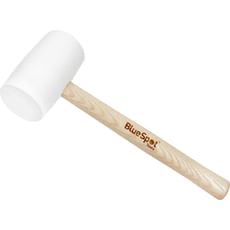
Blue Spot Mallets are striking tools for jobs where a steel hammer would dent, scar or split the surface you are working on. Tooled-Up.com stocks the Blue Spot selection with a focus on Rubber Mallets. These give controlled, non-marking impact for tapping, positioning and assembling.
A rubber-faced mallet delivers firm force without the hard rebound and surface damage of a metal head. That makes Blue Spot Mallets a practical choice for joinery, flooring, paving, automotive work and general site tasks. They suit anyone who needs to move or seat a component without leaving a mark.
Key Features of Blue Spot Mallets
- Rubber striking heads: The head gives under impact, so it spreads the force across the workpiece. This helps protect finished timber, laminate, paving and painted or coated surfaces from dents and bruising.
- Shock absorption: Rubber cushions the blow, so less vibration travels back up the handle. This is easier on the hand and wrist during repetitive tapping.
- Non-marking use: Choose a mallet suited to the surface you are working on. Check that the head will not leave marks on light-coloured or finished materials before starting a job.
- Weight options: Lighter mallets give better control for fine positioning, while heavier ones put more force behind each strike. Compare head sizes on the product pages to match the tool to your task.
- Handle grip: A secure, comfortable handle helps you stay in control through long periods of use. It also helps keep strikes accurate.
Who Uses Blue Spot Mallets?
- Joiners and carpenters – for knocking joints together and seating components without bruising timber
- Flooring installers – for tapping laminate, engineered boards and click-fit planks into position
- Landscapers and paviors – for bedding in paving slabs, setts and blocks
- Automotive technicians – for freeing and seating trims, panels and other parts that need a gentle blow
- Shop fitters and installers – for assembling fixtures, displays and flat-pack units
- DIYers – for furniture assembly, fence and garden jobs, and general home projects
Popular Blue Spot Mallets
Rubber Mallets
Rubber Mallets are the core of the Blue Spot Mallets category. Browse the Blue Spot selection at Tooled-Up.com to compare head sizes and weights. Smaller heads suit tight spaces and light tapping, such as fitting floorboards or trim. Larger heads are better for paving, tent pegs and heavier positioning work.
Rubber mallets are also handy as a second striking tool in a kit. Keep one alongside your claw hammer for the times when a steel face would do harm. Tooled-Up also lists Blue Spot Mallets with other hand tools, so you can pick up related items in one order.
Frequently Asked Questions
When should I use a rubber mallet instead of a hammer?
Use a rubber mallet whenever the surface must stay unmarked or the part could be damaged by a hard strike. Typical jobs include fitting laminate flooring, assembling furniture, laying paving and positioning panels. For driving nails or breaking material, a steel hammer is still the right tool.
How do I choose the right size of mallet?
Match the head size and weight to the job. A lighter mallet gives control for delicate work, while a heavier one delivers more force for paving or stubborn fits. If you will be swinging it for long periods, choose a weight you can control comfortably.
Will a rubber mallet leave marks on my work?
Rubber mallets are designed to reduce marking, but results depend on the material and the condition of the head. Keep the striking face clean and free of grit, and test on an offcut or hidden area first if the surface is delicate or light in colour.
How should I look after a rubber mallet?
Wipe off dirt, oil and grease after use, and store it somewhere dry and away from strong heat or direct sunlight. Check the head and handle before each job. Replace the mallet if the head is cracked, badly worn or loose on the handle.