
Blue Spot Pliers




Loading...
End of content
Error - No more pages to load
Blue Spot Pliers at Tooled-Up.com
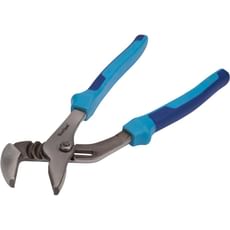
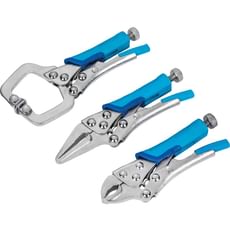
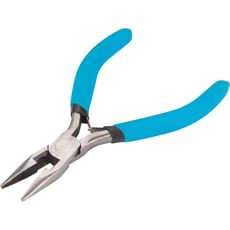
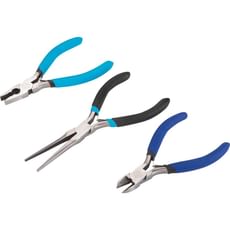
Blue Spot Pliers cover the gripping, cutting, holding and bending jobs that come up on almost every site and in every workshop. Tooled-Up.com stocks them in the types tradespeople reach for most: combination pliers, long nose pliers, bent nose pliers, locking pliers, waterpump pliers and circlip pliers. Plier sets are also available for anyone building or topping up a toolkit in one go.
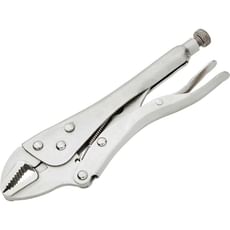
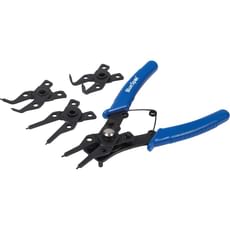
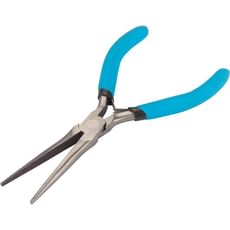
Each type is shaped for a particular task. Combination pliers handle general gripping and wire cutting, while long nose and bent nose pliers reach into tight spaces. Locking pliers clamp onto a workpiece hands-free, and waterpump pliers adjust to suit different pipe and nut sizes. Circlip pliers are made for fitting and removing retaining rings.
Together, the Blue Spot selection lets you choose the right plier for the job rather than forcing one tool to do everything.
Key Features of Blue Spot Pliers
Features vary between pliers types, so check each product listing for the exact specification. The points below show what to look for and why it matters:
- Serrated gripping jaws: bite into round and irregular workpieces, so nuts, fixings and components are less likely to slip.
- Integrated side cutters: combination pliers can cut wire and small fixings without a change of tool.
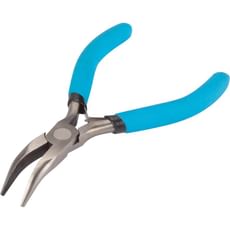
- Slim, extended jaws: long nose and bent nose pliers place and retrieve small parts in recessed or awkward spots.
- Locking action: locking pliers hold a workpiece firmly, freeing both hands for the task.
- Adjustable jaw positions: waterpump pliers open to several widths, so one tool grips a range of pipe and fitting sizes.
- Specialist tips: circlip pliers have tips designed to engage the holes in retaining rings, making internal and external circlips easier to handle.
- Handle grips: many models have coated or shaped handles for a more comfortable hold during repetitive work.
Who Uses Blue Spot Pliers?
Blue Spot Pliers suit a wide mix of trades and tasks:
- Electricians: cutting, stripping preparation and bending conductors with combination and long nose pliers.
- Plumbers and heating engineers: gripping fittings, nuts and pipework with waterpump and locking pliers.
- Mechanics and vehicle technicians: removing clips and circlips, and holding stubborn fasteners.
- Joiners, builders and maintenance teams: general holding, pulling and cutting on site work.
- DIY users and hobbyists: household repairs, wire projects and small assembly jobs.
Standard pliers are not insulated. Never use them on live circuits, and use VDE-rated insulated tools for electrical work.
Popular Blue Spot Pliers
Combination Pliers
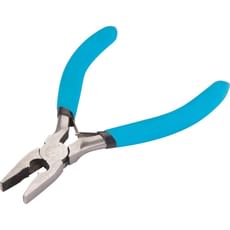
The everyday all-rounder for gripping, twisting and cutting wire. A sensible first purchase for any toolbox.
Long Nose Pliers and Bent Nose Pliers
Long nose pliers suit precise work in confined spaces. Bent nose pliers add an angled jaw for better access and visibility around obstructions.
Locking Pliers
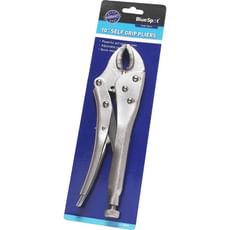
Used for clamping, holding and gripping worn or rounded fasteners where continuous hand pressure is impractical.
Waterpump Pliers
Adjustable pliers for pipework, nuts and larger fittings that need a wider, stronger grip.
Circlip Pliers
Specialist pliers for fitting and removing circlips in engines, gearboxes and machinery.
Plier Sets
Grouped pliers that give you several types in one purchase, useful for new toolkits or for covering different jobs at once.
Frequently Asked Questions
Which Blue Spot pliers should I buy first?
Combination pliers are the most versatile starting point. Add long nose pliers for fine work and waterpump pliers for plumbing. A plier set can cover several of these in one go.
What are bent nose pliers used for?
Bent nose pliers have an angled jaw that reaches around obstructions and gives a clearer view of the work. They suit tight installations, small component handling and bending wire in restricted areas.
When should I use locking pliers instead of standard pliers?
Choose locking pliers when you need to clamp a part firmly without holding the handles, or when gripping a damaged or rounded fastener. Standard pliers suit quicker, lighter gripping and cutting.
Are Blue Spot pliers safe for electrical work?
Only use insulated pliers carrying the appropriate VDE or equivalent marking on live electrical work. Always isolate and prove circuits dead before working, and check each product listing at Tooled-Up.com for specification details.