
Bosch Home and Garden Detectors & Testing Tools

Loading...
End of content
Error - No more pages to load
Bosch Home and Garden Detectors & Testing Tools at Tooled-Up.com
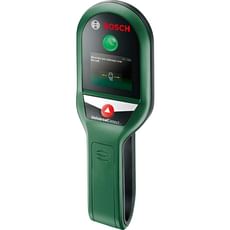
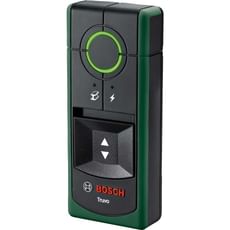
Bosch Home and Garden Detectors & Testing Tools help you see what is behind a wall, under a surface or inside a cavity before you drill, cut or fix. Tooled-Up.com stocks them across four areas: cable, pipe and stud detectors, damp meters, inspection cameras and thermal detectors.
These tools suit pre-drilling checks, damp investigation and general property maintenance. Each type gives a clear answer to a specific question, such as "Is there a live cable here?", "Is this wall damp?" or "What is inside this void?"
Browse the Bosch Home and Garden selection to match the right tool to the job, from hanging shelves to tracing the source of a cold spot.
Key Features of Bosch Home and Garden Detectors & Testing Tools
- Multi-material detection: Cable, pipe and stud detectors are designed to pick up metal, live wiring and timber, so one scan covers several hazards. Exact capabilities vary by model, so check the specification.
- Live cable warnings: Alerts for live 240v wiring reduce the risk of drilling into a cable. They support safe working but never replace isolating the supply.
- Clear visual and audio feedback: Displays and signals show you when you have found something, so you can keep your eyes on the wall and mark it.
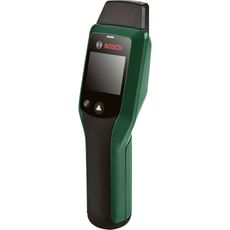
- Damp readings: Damp meters give quick comparative moisture readings, which helps you find wet patches and check whether an area has dried out.
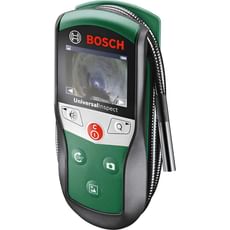
- Visual inspection: Inspection cameras let you look into cavities, ducts and tight gaps without opening up the structure, which saves time and mess.
- Thermal detection: Thermal detectors show surface temperature differences, which helps you spot heat loss, draughts and possible moisture issues.
- Compact, hand-held design: These tools are easy to carry, simple to use and quick to pick up between tasks.
Who Uses Bosch Home and Garden Detectors & Testing Tools?
- DIYers and homeowners: Checking walls before hanging shelves, TV brackets and kitchen units.
- Kitchen and bathroom fitters: Locating studs, pipes and cables before fixing units or running new services.
- Carpenters and joiners: Finding timber studs and joists for secure fixings.
- Landlords and property maintenance teams: Investigating damp, condensation and heat loss in rental properties.
- Electricians and plumbers: Tracing hidden services and inspecting voids during first fix and fault finding.
- Home inspectors: Screening for moisture and thermal anomalies before recommending further investigation.
Popular Bosch Home and Garden Detectors & Testing Tools
Cable, Pipe & Stud Detectors
The most commonly used tools in the category. They are ideal for anyone who drills into walls, floors or ceilings, and they help avoid burst pipes, damaged cables and missed studs.
Damp Meters
Used to check moisture levels in walls and timber. They are useful for spotting problems early and for confirming when remedial work has done its job.
Inspection Cameras
These let you see behind panels, into ceiling voids and along pipe runs. They are handy for plumbing checks and for tracing routes before you cut.
Thermal Detectors
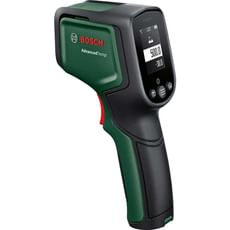
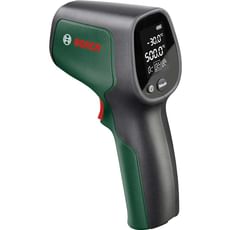
These highlight temperature differences across a surface, so you can find insulation gaps, cold bridges and draughts. Shop Bosch Home and Garden Detectors & Testing Tools at Tooled-Up.com to compare each type.
Frequently Asked Questions
Which Bosch detector should I buy before drilling into a wall?
A cable, pipe and stud detector is the right choice. Look for a model that identifies live wiring, metal and timber, and check its stated detection depth against the thickness of your walls.
Can a detector guarantee a wall is safe to drill?
No. Detectors are an aid, not a guarantee. Scan from several directions, isolate the circuit where possible, and follow HSE guidance. If readings are unclear, ask a qualified electrician or plumber.
What is the difference between a damp meter and a thermal detector?
A damp meter measures moisture in the material you test. A thermal detector shows surface temperature differences, which can point to heat loss or possible damp. They suit different questions, and many people use both when investigating a problem.
When is an inspection camera better than a detector?
Use an inspection camera when you need to see what is there, such as inside a cavity, behind a panel or along a pipe run. A detector only tells you that something is present.