
Expert By Facom Air Tools & Compressors




Loading...
End of content
Error - No more pages to load
Expert By Facom Air Tools & Compressors at Tooled-Up.com
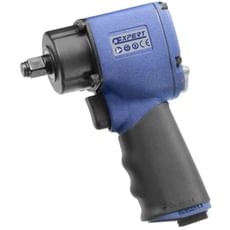
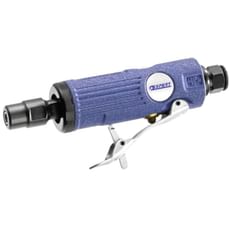
Expert By Facom Air Tools & Compressors cover the pneumatic side of the workshop, from the compressors that generate air to the tools that put it to work. The selection is aimed at garages, workshops and industrial sites where air equipment is used daily. It includes air impact wrenches, air ratchets, spray guns, blow guns and inflators.
Pneumatic tools are typically lighter and more compact than their electric equivalents and are well suited to repetitive, high-torque jobs. Browse the Expert By Facom selection at Tooled-Up.com to find air tools and compressors that work together as a complete system.
Key Features of Expert By Facom Air Tools & Compressors
- Adjustable power control: Air impact wrenches with power regulation let you match torque to the fastener, which helps on both wheel nuts and smaller assembly work.
- Compact ratchet heads: Air ratchets give access in confined spaces, where a standard socket set or larger power tool will not fit.
- Ergonomic, balanced design: Comfortable grips and sensible weight distribution help reduce fatigue during repetitive work.
- Quick-release fittings: Standard-style couplings make tool changes fast and keep connections secure.
- Air receiver capacity: A larger tank gives a bigger reserve of compressed air, so tools keep working steadily without the motor constantly cycling.
- 240v UK mains operation: Many compressors suit standard 240v supplies. Always check the rating plate before connecting to a 13A socket.
Who Uses Expert By Facom Air Tools & Compressors?
- Vehicle technicians and mechanics use impact wrenches and air ratchets for wheel changes, suspension work and general servicing.
- Body shops and refinishers use spray guns and a stable air supply for coating and surface preparation.
- Plant and agricultural engineers need dependable compressed air for maintenance and repair work.
- Mobile tyre fitters rely on inflators and portable air power away from the workshop.
- Fabricators and general engineers use blow guns and air tools for cleaning down and assembly.
Popular Expert By Facom Air Tools & Compressors
Air Tools
The Air Tools subcategory is the core of the Expert By Facom pneumatic selection. It includes impact wrenches for fastening and removal, ratchets for tight spaces, spray guns for finishing, and blow guns and inflators for everyday workshop tasks. The Tooled-Up Expert By Facom range gives you a way to equip a bay with matching, compatible tools.
Compressors
Compressors supply the air that every pneumatic tool depends on. Match the tank size and air delivery to the tools you plan to run. A single impact wrench has very different demands from a spray gun running continuously, so check each tool's air consumption before you choose.
Frequently Asked Questions
What size compressor do I need for air tools?
Check the air consumption of the tool you want to run, usually given in litres per minute, and choose a compressor that delivers at least that. Intermittent tools such as impact wrenches are more forgiving. Spray guns and other continuous-use tools need a compressor with higher output and a larger tank.
Can I use Expert By Facom air tools with another compressor?
Generally, yes, provided the compressor delivers the required pressure and airflow and the fittings are compatible. Check the tool's specification for working pressure and air consumption. You may need an adapter or coupling to connect the air line.
Can a compressor run from a normal 240v socket?
Many smaller compressors are designed for standard 240v UK supplies, but larger units can draw more current. Check the rating plate and your electrical installation first. If in doubt, ask a qualified electrician.
How do I look after my air tools and compressor?
Drain moisture from the air receiver regularly, keep filters clean and check hoses for wear or damage. Lubricate air tools as the instruction manual advises. Wear eye and hearing protection when using them, and follow HSE guidance on safe use of compressed air.