
Expert By Facom Gripping Tools





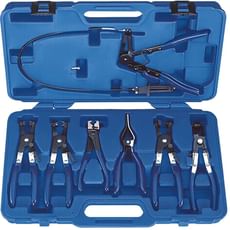




Loading...
End of content
Error - No more pages to load
Expert By Facom Gripping Tools at Tooled-Up.com
Expert By Facom Gripping Tools cover the holding, squeezing, cutting and clamping jobs that come up on every site and in every workshop. The selection is organised into clamps, pincers, pliers, suction grippers and tweezers, so you can match the tool to the task, from heavy gripping on pipework to fine handling of small components.
Tooled-Up.com stocks Expert By Facom Gripping Tools for tradespeople who need dependable hand tools for daily use. Pliers suit general gripping, bending and cutting. Pincers handle nail pulling and cutting. Clamps hold work steady while you fix, glue or assemble. Suction grippers lift and position smooth panels, and tweezers deal with small parts.
The main difference between the types is how they hold and what they hold. Choosing by job, rather than reaching for one pair of pliers for everything, protects both the workpiece and the tool.
Key Features of Expert By Facom Gripping Tools
Features vary between tool types, but the design points below matter on the job.
- Hardened steel jaws: Jaws and cutting edges stay effective through repeated use, so grip and cut quality hold up over time.
- Serrated gripping surfaces: Pliers and pincers bite onto round and flat stock, helping to prevent slipping when you apply force.
- Comfort handles: Many pliers use grips designed to reduce hand fatigue on repetitive tasks and to stay secure when hands are oily or gloved.
- Precise jaw alignment: Properly aligned jaws close cleanly, giving a more consistent hold and tidier cuts on wire and fixings.
- Task-specific designs: Separate clamps, suction grippers and tweezers mean you can use a tool built for the job, not one that is merely close enough.
Who Uses Expert By Facom Gripping Tools?
- Electricians: Pliers for cable work, wire handling and terminations.
- Plumbers and heating engineers: Gripping tools for pipework, fittings and clips.
- Vehicle technicians: Pliers and tweezers for hose clips, connectors and tight engine bay work.
- Joiners and carpenters: Clamps to hold timber while glue sets, and pincers for removing nails and pins.
- Glaziers and fitters: Suction grippers for lifting and positioning glass, tiles and smooth panels.
- Maintenance engineers and DIY users: A reliable set of gripping tools for repairs, assembly and general jobs.
Popular Expert By Facom Gripping Tools
Pliers
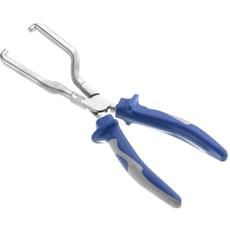
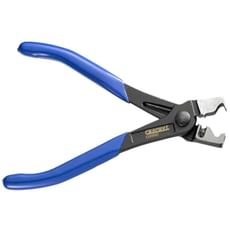
The most versatile choice, Expert By Facom pliers cover gripping, bending and cutting. They are a sensible starting point for any toolkit.
Pincers
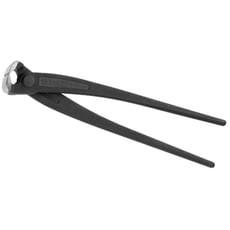
Pincers are made for pulling and cutting, such as removing nails, tacks and wire in carpentry and general building work.
Clamps
Clamps provide a hands-free hold, keeping materials in position for cutting, drilling, bonding or fixing.
Suction Grippers
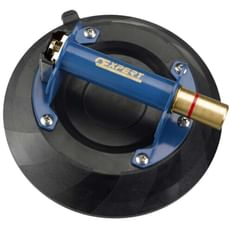
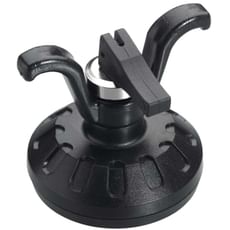
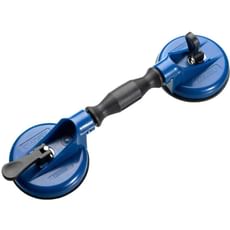
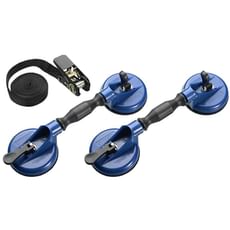
Suction grippers offer a secure hold on smooth, non-porous surfaces, making heavy or fragile sheets easier to lift and place.
Tweezers
Tweezers are the choice for fine work, picking up and positioning small parts where fingers or larger pliers cannot reach.
Browse the full selection at Tooled-Up to compare each type.
Frequently Asked Questions
Which Expert By Facom gripping tool should I choose?
Match the tool to the task. Pliers suit general gripping and cutting, pincers suit pulling and cutting nails, clamps hold work in place, suction grippers lift smooth panels and tweezers handle small components.
Can I use pliers on live electrical circuits?
Not unless they are specifically rated and marked as insulated for electrical work. Standard gripping tools are not designed for live work on 240v circuits. Always isolate the supply first and follow HSE guidance.
What are suction grippers used for?
They attach to smooth, flat, non-porous surfaces such as glass and glazed tiles, giving you a secure handhold for lifting and positioning. Clean both the surface and the cup before use for the best hold.
How do I look after gripping tools?
Wipe them clean after use, store them dry and apply a drop of light oil to pivot points. Do not use pliers as hammers or cut materials beyond the tool's capacity, as this can damage the jaws.