
Expert By Facom Hammers



Loading...
End of content
Error - No more pages to load
Expert By Facom Hammers at Tooled-Up.com
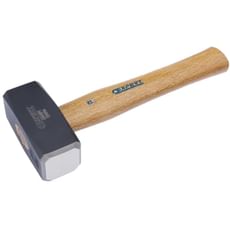
Expert By Facom Hammers cover the striking jobs that come up in workshops, on site and around the home. The selection is split into ball pein hammers, club hammers, engineers hammers and soft face hammers. Each type is built for a different kind of impact, from shaping metal to driving chisels to tapping parts into place without marking them.
Choosing the right head style matters as much as choosing the right weight. A club hammer delivers heavy, controlled blows for masonry and chiselling. A ball pein or engineers hammer gives a precise, hardened face for metalwork. A soft face hammer protects the surface when you are fitting or adjusting finished components.
Browse the Expert By Facom selection at Tooled-Up.com to compare hammer types and find the right tool for the job in front of you.
Key Features of Expert By Facom Hammers
- Hardened steel striking faces: Metal-headed hammers are designed to keep their shape under repeated impact, so the face stays dependable across long working days.
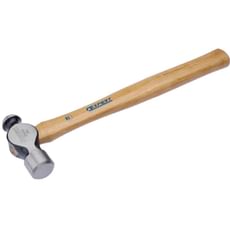
- Ball pein heads: The flat face drives and strikes, while the rounded pein is used for peening, riveting and shaping metal.
- Heavy club hammer heads: The extra mass puts more force behind each swing, which suits chiselling, breaking masonry and driving stakes.
- Engineers hammer profiles: These are balanced for accurate, repeatable strikes in fitting, fabrication and maintenance work.
- Soft face construction: Non-marring faces let you tap and align parts without denting, scarring or spoiling the finish.
- Comfort-focused handles: A well-shaped grip helps control each blow and reduces fatigue over a long session. Check each product listing for the handle type on the model you choose.
Who Uses Expert By Facom Hammers?
- Bricklayers and stonemasons using club hammers with cold chisels and bolsters
- Fabricators and metalworkers reaching for ball pein hammers when shaping, peening and riveting
- Mechanics and fitters relying on engineers hammers and soft face hammers for assembly and adjustment
- Maintenance engineers who need a dependable striking tool for repairs across industrial and commercial sites
- Groundworkers and landscapers driving pegs and stakes with heavier club hammers
- Serious DIYers building a hand tool collection around tools that will last
Popular Expert By Facom Hammers
Ball Pein Hammers
A staple for metalworking. The flat striking face handles general work, and the rounded pein is used for peening and forming. They suit workshops, garages and fabrication benches.
Club Hammers
Short-handled, heavy-headed hammers for chiselling, light demolition and driving stakes. They are a regular sight on building sites and groundwork jobs.
Engineers Hammers
General-purpose hammers for fitting, maintenance and workshop use, where control and accuracy count.
Soft Face Hammers
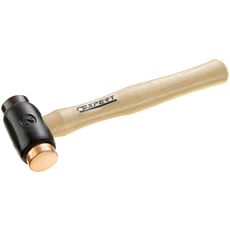
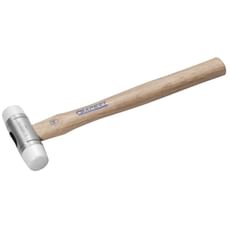
Used wherever the surface needs protecting, such as tapping components into place, aligning parts or working on finished materials.
Shop Expert By Facom Hammers at Tooled-Up.com to compare each type side by side.
Frequently Asked Questions
Which Expert By Facom hammer is best for metalwork?
Ball pein and engineers hammers are the usual choices. The hardened face handles striking, punching and general fitting, and the ball pein is ideal for peening and riveting.
What is a club hammer used for?
A club hammer is used with cold chisels and bolsters to cut or break masonry, and for driving stakes and pegs. Its heavy head and short handle give plenty of force with good control.
When should I use a soft face hammer instead of a steel hammer?
Use a soft face hammer whenever marking or damaging the workpiece is a concern. It is well suited to assembly, alignment and fitting finished parts. Never use one on chisels or hardened steel.
How do I use a hammer safely?
Wear safety glasses and sturdy footwear, and check that the head is secure and the face is free from chips or heavy mushrooming before use. Keep the handle and face clean and dry for a firm, accurate strike. The HSE offers useful guidance on safe hand tool use.