
Expert By Facom Woodworking Tools

Loading...
End of content
Error - No more pages to load
Expert By Facom Woodworking Tools at Tooled-Up.com
Expert By Facom Woodworking Tools at Tooled-Up.com centre on files, the hand tools used to shape, smooth and fine-tune timber after the saw and chisel have done the heavy work. Files remove small amounts of material in a controlled way, so they suit jobs where power tools are too aggressive and a chisel risks taking off too much.
Typical jobs include easing sharp arrises, trimming a tight joint, shaping curves and cleaning up cut edges. They also help when fitting doors, timber trims and bespoke components on site or in the workshop.
Shop Expert By Facom Woodworking Tools at Tooled-Up.com if you want practical, workshop-ready files for everyday shaping and finishing. Check each product listing for file length, profile and cut before ordering.
Key Features of Expert By Facom Woodworking Tools
When choosing a file, the profile, length and tooth pattern matter most. The points below explain what to look for and how each helps on the job.
- Cut grades: Coarser cuts remove stock quickly for rough shaping, while finer cuts leave a smoother surface that needs less sanding.
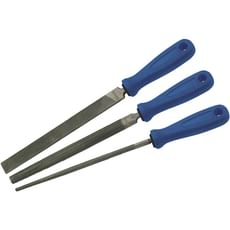
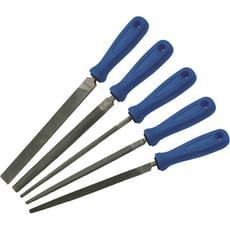
- Different profiles: Flat, half-round and round files let you work flat faces, concave curves and tight internal radii with the right tool.
- Hardened teeth: Hardened teeth are designed to stay sharp through repeated use, so the file keeps cutting cleanly rather than polishing the surface.
- Handle compatibility: A fitted handle gives you a secure grip and better control. It also protects your hand from the sharp tang.
- Length options: Longer files cover more surface per stroke for flatter results, while shorter ones give better control in confined areas.
Who Uses Expert By Facom Woodworking Tools?
Expert By Facom files suit anyone who needs accurate hand shaping and finishing on timber.
- Joiners and carpenters: Adjusting fits, easing edges and trimming components during first and second fix.
- Cabinet and furniture makers: Shaping curves, refining joints and preparing surfaces for finishing.
- Shopfitters: Making small on-site adjustments to fitted timber and trims without reaching for a power tool.
- Maintenance teams: Fixing sticking doors, worn edges and damaged timber on property jobs.
- Restoration workers: Carefully reshaping or matching profiles on period timber.
- DIYers and apprentices: Building a practical hand-tool kit for home projects and training.
Popular Expert By Facom Woodworking Tools
The Tooled-Up Expert By Facom Woodworking Tools selection is built around the Files category. Choose the file by the job in hand.
Flat Files
Flat files are the usual choice for levelling edges, trimming faces and removing saw marks on straight work.
Half-Round Files
Half-round files give you a flat face on one side and a curved face on the other. That makes them a versatile option for both straight and gently curved shaping.
Round Files
Round files are best for enlarging holes, cleaning up internal curves and shaping tight radii.
Because files are used for fine shaping, it pays to keep a coarser and a finer option to hand. Use the coarser file for removing stock and the finer one for finishing.
Frequently Asked Questions
Which Expert By Facom file is best for woodworking?
It depends on the shape you are working. Use a flat file for straight edges and faces, a half-round for mixed or gentle curves, and a round file for holes and tight internal curves. For rough shaping choose a coarser cut, and for finishing choose a finer one.
How do I stop a file clogging with wood dust?
Clear the teeth regularly with a file card or stiff brush. Take light, even strokes and avoid pressing too hard, as heavy pressure packs dust into the teeth and reduces cutting efficiency.
Should I use a handle on a file?
Yes. A handle gives you better control and protects your palm from the sharp tang. Check that the handle is fitted securely before each use.
What safety precautions should I take when filing timber?
Wear safety glasses and a suitable dust mask, particularly with treated timber or MDF. Follow HSE guidance and COSHH requirements for hazardous dust, and clamp the workpiece securely so both hands stay on the file.