
Spear and Jackson Axes & Wedges

Loading...
End of content
Error - No more pages to load
Spear and Jackson Axes & Wedges at Tooled-Up.com
Spear and Jackson Axes & Wedges cover the jobs that call for swinging, splitting and breaking ground by hand. Tooled-Up.com stocks them across three areas: hand and hatchet axes, log splitting wedges and pickaxes. Together they suit firewood preparation, site clearance, groundwork and general property maintenance.
Each type is built for a different task. Hatchets and hand axes are compact tools for kindling, limbing and light chopping. Log splitting wedges help open up tougher timber that an axe alone struggles with. Pickaxes break compacted soil, clay and hard ground where a spade will not get through.
Browse the Spear and Jackson selection at Tooled-Up.com to compare tools by task, size and the type of work you do most.
Key Features of Spear and Jackson Axes & Wedges
- Forged and hardened heads: Striking tools need heads that hold their shape under repeated impact. A tough head resists chipping and deformation, so the tool lasts longer on demanding work.
- Hardwood or durable handles: A well-shaped handle absorbs some of the shock from each blow and gives a secure grip, which helps control and reduces fatigue over a long session.
- Task-specific head shapes: Axe bevels cut cleanly across the grain, wedge profiles force timber apart along it, and pickaxe points concentrate force to break hard ground.
- Manageable sizes: Compact hatchets are easy to carry and use one-handed for small jobs, while longer-handled tools give extra leverage and reach for heavier work.
- Practical, hard-wearing finish: A protective finish on the head helps resist corrosion when tools are used outdoors or stored in a van or shed.
Who Uses Spear and Jackson Axes & Wedges?
Groundworkers, landscapers and general builders use pickaxes for trenching, breaking up hard soil and lifting compacted material. Gardeners and allotment holders rely on them for clearing overgrown plots and preparing new beds.
Hand axes and hatchets suit tree surgeons' ground crews, fencers, estate workers and campers who need to trim branches, sharpen stakes or prepare kindling. Log splitting wedges are popular with anyone processing firewood for wood burners and stoves, particularly when working through knotty or dense logs.
Always wear suitable eye protection, gloves and sturdy footwear, and follow HSE guidance when working with striking tools.
Popular Spear and Jackson Axes & Wedges
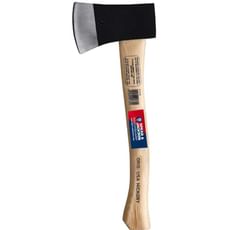
Hand & Hatchet Axes
Compact, versatile tools for kindling, light chopping, pruning and general outdoor jobs. They are a good choice when you want something easy to handle and quick to use.
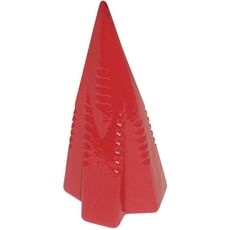
Log Splitting Wedges
Driven in with a sledgehammer or maul, wedges split stubborn logs and help keep a cut open. They are useful for large rounds that resist a standard axe.
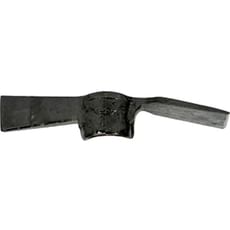
Pickaxes
Heavy-duty tools for breaking up compacted ground, clay and stony soil. They are a staple for digging trenches, clearing sites and groundwork preparation.
Shop Spear and Jackson Axes & Wedges at Tooled-Up.com and choose the tool that fits your task.
Frequently Asked Questions
What is the difference between a hatchet and a log splitting wedge?
A hatchet is a one-handed cutting tool for small chopping jobs. A wedge is a driven tool that forces timber apart and is struck with a hammer or maul. Wedges handle larger or tougher logs.
Which Spear and Jackson tool is best for breaking hard ground?
A pickaxe is the right choice. Its pointed end concentrates force to break through compacted soil, clay and stony ground that a spade cannot penetrate.
Can I use a wedge with an axe?
Yes, but use a sledgehammer or maul to drive a wedge, not the back of an axe, which can damage the tool. Start the split with the axe, then drive the wedge into the crack.
How should I look after axes, wedges and pickaxes?
Keep heads clean and dry after use, and check handles for cracks or looseness before each job. Store tools somewhere dry and keep cutting edges protected to maintain performance.