

Carpet Stretchers

Pay in 3 interest-free payments on purchases from £20-£3000 with  . Learn more.
Loading...
End of content
Error - No more pages to load
About Carpet Stretchers
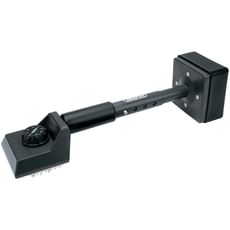
Carpet stretchers are indispensable tools for achieving professional carpet installation results, designed to stretch and tension carpets during fitting to eliminate wrinkles, ripples, and ensure a smooth, taut finish. The most widely used type is the knee kicker – a compact, hand-operated tool featuring a padded plate that's struck with the knee to grip and stretch carpet over short to medium distances. These versatile tools excel at positioning carpet edges, working in confined spaces like doorways and alcoves, and fitting around obstacles such as radiator pipes and architraves.
Proper carpet stretching isn't merely cosmetic – it's essential for longevity and performance. Inadequately stretched carpet develops unsightly wrinkles and ripples within months, creating trip hazards and premature wear patterns that dramatically reduce the carpet's lifespan. Professional carpet fitters understand that achieving the correct tension, typically around 1-2% stretch, is crucial not only for aesthetic appeal but also for meeting manufacturer warranty requirements and building client satisfaction.
Tooled-Up.com stocks quality carpet stretchers from trusted brands including Draper, offering reliable tools engineered to withstand the demands of daily professional use. Whether you're fitting carpets in residential properties, managing commercial installations, or tackling DIY flooring projects, the right carpet stretching equipment ensures you can deliver the flat, drum-tight finish that distinguishes professional workmanship from amateur attempts. From adjustable gripper pins to cushioned knee plates, modern carpet stretchers combine ergonomic design with robust construction to help tradespeople work efficiently whilst minimising physical strain.
Jargon Buster
- Knee Kicker: A hand-operated carpet stretcher with a cushioned plate that's forcefully pushed with the knee to grip and stretch carpet over distances typically up to 3-4 metres, primarily used for edge positioning and working in confined areas.
- Gripper Pins: Adjustable metal pins located on the stretcher head that penetrate the carpet backing to provide secure grip during stretching. Pin length is adjustable to accommodate different carpet pile depths and backing materials without damaging the face pile.
- Tackless Strip (Gripper Rod): The toothed wooden strip fixed around room perimeters onto which stretched carpet is hooked and secured, working in conjunction with carpet stretchers to maintain proper tension after installation.
- Carpet Pile: The visible surface of the carpet consisting of yarn loops or tufts. Pile depth, density, and construction type affect how you configure the gripper pins on your carpet stretcher for optimal grip.
- Power Stretcher: A longer, lever-operated carpet stretcher that spans across rooms to stretch carpet over greater distances, providing significantly more stretching force than a knee kicker for mid-room tensioning on large installations.
- Stretching Ratio: The percentage of stretch applied during installation, typically 1-2% for most residential carpets, ensuring adequate tension without over-stretching which can damage the backing or cause seam separation.
Who Uses Carpet Stretchers?
- Professional Carpet Fitters: Specialist flooring contractors who install carpets daily across residential and commercial properties, relying on quality stretchers for consistent results
- Flooring Companies: Businesses offering comprehensive flooring services including carpet supply, installation, and aftercare maintenance
- Interior Fit-Out Contractors: Tradespeople handling complete property refurbishments, new build finishing work, and commercial fit-outs where carpet installation forms part of larger projects
- Property Maintenance Teams: Council workers, housing association staff, and facilities management professionals maintaining social housing and rental properties
- Furniture Retailers: Companies offering professional carpet fitting services alongside furniture sales, particularly bedroom and living room specialists
- Landlords and Property Developers: Individuals managing property portfolios who prefer to handle their own carpet installations to control quality and reduce costs
- DIY Enthusiasts: Homeowners tackling their own carpet installation projects to save on professional fitting costs whilst learning valuable skills
- Theatre and Exhibition Contractors: Specialists installing temporary and permanent carpeting in entertainment venues, exhibition stands, and event spaces
How to Choose the Right Carpet Stretchers
When selecting a carpet stretcher, begin by assessing the scale and frequency of work you'll undertake. For domestic installations, smaller rooms, and edge positioning, a quality knee kicker covers most essential tasks and represents the minimum requirement for professional results. Tradespeople handling larger commercial installations or open-plan spaces may require both a knee kicker and a power stretcher working in combination, with the power stretcher providing superior mid-room tensioning force across wider spans.
Gripper pin adjustability is paramount for versatility across different carpet specifications. The stretcher should offer easily adjustable pin depth to accommodate various pile heights, from thin loop pile commercial carpets to deep shag residential varieties. Better quality models feature quick-adjustment mechanisms that save valuable time when switching between different carpet types on the same job, eliminating fiddly screws or complicated settings.
Build quality directly impacts both performance and tool longevity. A carpet stretcher with a robust metal frame resists flexing under load, whilst a secure pin mechanism maintains consistent grip throughout the stretching process. The knee plate padding deserves particular attention – thick, high-density padding remains comfortable even after repeated strikes throughout a full working day, reducing knee strain and fatigue that can lead to long-term joint problems.
Consider the tool's weight and manoeuvrability, especially if you work alone or transport equipment between multiple sites daily. A well-balanced knee kicker that's neither excessively heavy nor too lightweight provides optimal control and ease of use. The handle should offer a comfortable, secure grip for precise positioning, with sufficient length to provide leverage without becoming unwieldy in confined spaces.
Match your investment to usage frequency and professional requirements. Carpet fitters working daily should invest in premium-quality stretchers from established brands available at Tooled-Up that offer proven reliability and extended lifespan. For occasional DIY projects or starting out in carpet fitting, a mid-range tool from a reputable manufacturer like Draper delivers excellent value whilst still achieving professional-grade results that satisfy both eye and tread.
Popular Accessories
- Carpet Knee Pads: Essential PPE for protecting knees during extended carpet fitting work on hard floors, reducing joint stress and long-term damage
- Carpet Tucker/Bolster: Wide-bladed tool for tucking carpet edges down behind gripper strips and into floor/skirting junctions
- Carpet Trimming Knife: Sharp, hook-bladed knife designed specifically for cutting carpet to size with clean edges that won't fray
- Seaming Iron: Heated tool for activating carpet tape adhesive when joining carpet sections to create invisible seams
- Stair Tool: Specialist tool for tucking carpet into corners, angles, and tight spaces on staircases where standard tuckers won't reach
- Gripper Rods/Tackless Strips: Toothed wooden strips installed around room perimeters to anchor stretched carpet and maintain tension
- Carpet Tape: Heat-activated adhesive tape for creating strong, invisible carpet seams that withstand heavy foot traffic
- Underlay Cutting Tools: Specialist knives and cutters for preparing carpet underlay quickly and accurately
- Carpet Shears: Heavy-duty scissors for trimming carpet edges and cutting around obstacles like pipes and doorframes
- Seam Roller: Weighted roller for bedding down carpet seams after heat-taping to ensure secure adhesion
Safety Information
When using carpet stretchers, always wear appropriate knee protection such as professional-grade knee pads, as the repetitive kneeling and impact from operating a knee kicker can cause significant joint stress and long-term damage. The HSE recommends regular breaks, varying your working position, and maintaining good kneeling technique to minimise the risk of occupational knee injuries that plague many carpet fitters.
Exercise caution around the sharp gripper pins on the stretcher head, which can cause painful puncture injuries if handled carelessly. Always store carpet stretchers with pin guards in place where possible, and keep the tool positioned away from your body when adjusting pin settings. When carrying the tool around site, remain aware that exposed pins can snag on materials, damage surfaces, or cause injury to colleagues working nearby.
Maintain proper posture and lifting technique when manoeuvring heavy carpet rolls and operating stretching equipment. Carpet fitting involves considerable physical strain on the back, knees, and shoulders, so employ correct manual handling practices in accordance with HSE guidelines to avoid musculoskeletal injuries. Consider using lifting aids, trolleys, or working in pairs for heavy carpet rolls that exceed safe single-person handling weights.
Ensure your workspace benefits from adequate ventilation, particularly when using carpet adhesives, seaming tape, and other flooring products that may emit volatile organic compounds. Some carpet backing materials produce dust during cutting and fitting, so appropriate FFP2 or FFP3 dust masks may be necessary for respiratory protection in accordance with COSHH regulations, especially when working in poorly ventilated spaces or cutting treated carpet materials.
Frequently Asked Questions
Do I really need a carpet stretcher for every carpet fitting job?
Absolutely – proper stretching is essential for any quality carpet installation, whether residential or commercial. Without adequate stretching, carpets develop unsightly wrinkles, ripples, and premature wear patterns within months of installation. A knee kicker represents the minimum requirement for most domestic installations, allowing you to achieve the tension needed for a professional finish that meets manufacturer warranty requirements and prevents costly call-backs.
What's the difference between a knee kicker and a power stretcher?
A knee kicker is a compact, hand-operated tool ideal for edges, corners, and stretches up to approximately 3-4 metres, powered by striking a padded plate with your knee. A power stretcher is a longer tool with a lever mechanism that provides substantially greater stretching force across wider rooms, typically used for mid-room tensioning on large installations. Most professional carpet fitters use both tools in combination – the power stretcher for initial mid-room stretching, followed by the knee kicker for fine-tuning edges and corners.
How do I adjust the gripper pins for different carpet types?
Gripper pins should penetrate the carpet backing without protruding through to the face pile. For thin, low-pile carpets like commercial loop pile, set the pins to their shortest length. For thick, deep-pile carpets such as saxony or shag, extend the pins further to ensure adequate penetration. Most carpet stretchers feature an adjustment mechanism near the head – always test on a carpet offcut before commencing your installation to verify the pins grip effectively without damaging the carpet face or failing to engage the backing.
Can I use a carpet stretcher on stairs?
Whilst a knee kicker can be used on stairs for stretching and positioning carpet, the confined space, angles, and varying tread depths make stair work more challenging than flat floor installations. Stairs typically require additional specialist tools like a stair tool for tucking carpet into corners, risers, and crevices that the knee kicker cannot reach. Take extra care on stairs to maintain your balance whilst operating the knee kicker in awkward positions, and consider using additional knee protection given the increased kneeling on stair edges.
How much tension should I apply when stretching carpet?
Most residential carpets require stretching of approximately 1-2% beyond their relaxed dimensions to achieve proper tension. Over-stretching can damage the backing, cause seams to separate, or create puckering around doorways, whilst under-stretching inevitably leads to wrinkling and premature wear. Always consult and follow the carpet manufacturer's specific installation guidelines, as different carpet constructions – from woven Axminster to tufted polypropylene – have varying stretching requirements. The finished carpet should feel taut and drum-tight when tapped, without visible slack or excessive tension.