

Edging Irons

Pay in 3 interest-free payments on purchases from £20-£3000 with  . Learn more.
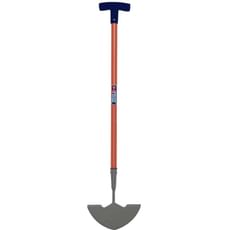
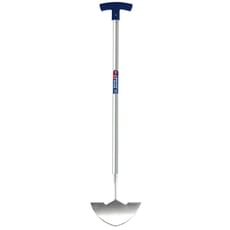
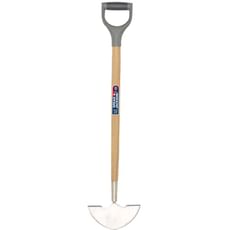
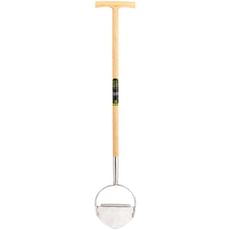


 Loading...
End of content
Error - No more pages to load
About Edging Irons
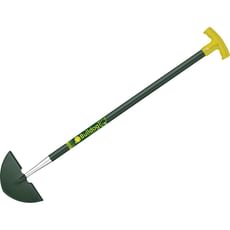
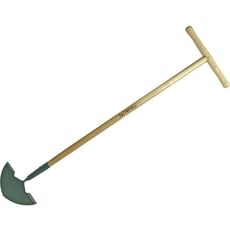
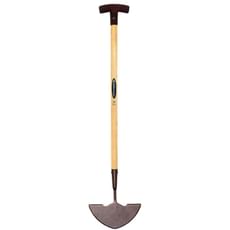
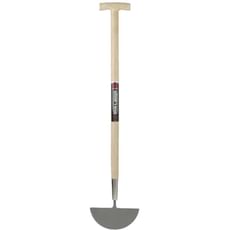
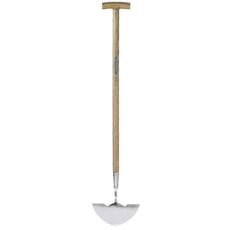
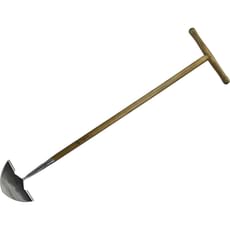
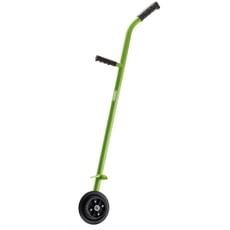
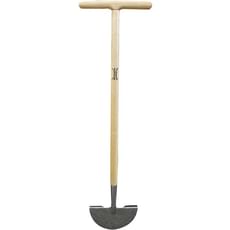
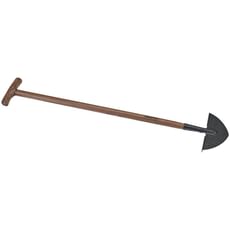
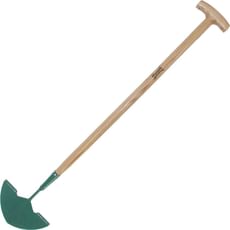
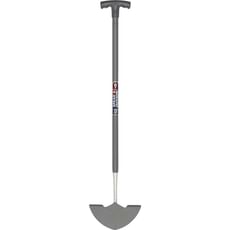
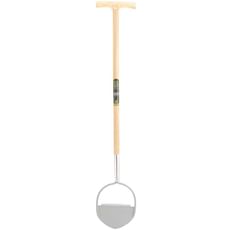
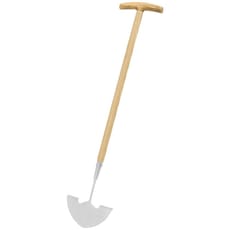
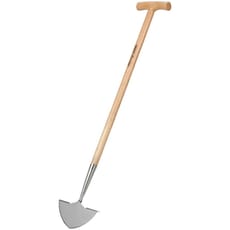
An edging iron is an indispensable garden tool designed to create and maintain crisp, professionally defined borders between lawns and adjacent features such as flower beds, pathways, patios, and driveways. Also known as lawn edgers, half-moon edgers, or edging knives, these straightforward yet highly effective tools transform overgrown, untidy lawn edges into sharply defined borders that dramatically enhance any garden's overall appearance. Whether you're a professional landscape gardener maintaining multiple properties, a groundskeeper responsible for public spaces, or a dedicated home gardener pursuing that perfectly manicured finish, a quality edging iron delivers results that distinguish well-maintained gardens from neglected ones.
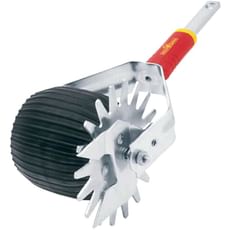
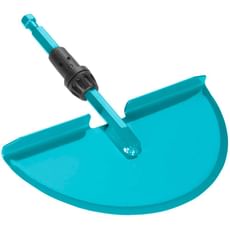
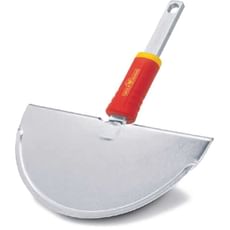
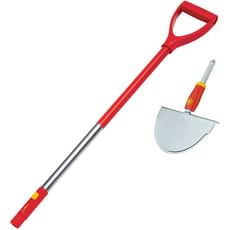
The selection at Tooled-Up.com encompasses traditional manual edging irons from trusted manufacturers including Spear and Jackson, Faithfull, Draper, Bulldog, and Kew Gardens. You'll discover models crafted from robust carbon steel for everyday domestic use, premium stainless steel versions that resist corrosion and require minimal maintenance, and specialist designs featuring serrated blades for tackling tough, compacted ground or establishing new borders through established turf. Many incorporate comfortable ash or hardwood handles that provide excellent grip and natural shock absorption, whilst numerous models feature foot treads for easier penetration into harder soil conditions. Modular systems such as the Gardena COMBISYSTEM and Wolf Garten multi-change tools offer versatile solutions, allowing you to utilise a single handle with multiple interchangeable garden tool heads, reducing both storage requirements and overall investment costs.
Whether you're creating entirely new borders from scratch, re-cutting existing edges that have become overgrown throughout the growing season, or maintaining pristine lawn boundaries as part of regular garden upkeep, selecting the appropriate edging iron will make the task considerably easier and deliver superior, long-lasting results. The right tool ensures cleaner cuts, reduces physical strain, and produces professional-quality finishes that enhance kerb appeal and garden presentation.
Jargon Buster
- Half-Moon Edger: The traditional crescent or half-moon shaped blade design, representing the most common type of edging iron. The curved blade profile allows for an efficient rocking motion that cuts cleanly through turf, roots, and soil in a single fluid movement.
- Carbon Steel Blade: A robust, economical blade material that holds a sharp cutting edge exceptionally well and proves ideal for regular garden maintenance. Requires periodic cleaning and light oiling to prevent rust formation, particularly important during damp British weather conditions.
- Stainless Steel Blade: A premium blade material offering excellent corrosion resistance and requiring substantially less maintenance than carbon steel alternatives. Particularly suited to damp conditions and professional users who demand consistent long-term performance across numerous projects.
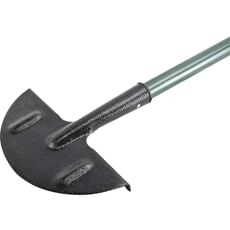
- Foot Tread: A rolled, stepped, or flattened edge at the top of the blade where you position your foot to drive the edging iron into the ground. This essential feature provides enhanced leverage, improves cutting efficiency, and significantly reduces foot fatigue during extended use on larger properties.
- Multi-Change System: Modular tool systems such as Wolf Garten or Gardena COMBISYSTEM where interchangeable heads attach securely to a single handle, substantially reducing storage space requirements and overall cost when building a comprehensive garden tool collection.
- Serrated Edge: A toothed blade design that cuts through tough, compacted soil and established root systems more aggressively than straight edges, proving particularly useful for creating new borders or tackling neglected lawn edges that haven't been maintained regularly.
Who Uses Edging Irons?
- Landscape Gardeners: Professional landscapers utilise edging irons daily to deliver crisp, clean finishes on both commercial and domestic projects, ensuring client satisfaction and professional presentation.
- Groundskeepers and Greenkeepers: Maintenance staff responsible for parks, sports grounds, golf courses, bowling greens, and public spaces depend on quality edging tools for pristine presentation standards.
- Garden Maintenance Contractors: Regular lawn care services incorporate edging irons as essential components of comprehensive garden maintenance packages offered to residential and commercial clients.
- Local Authority Ground Staff: Council workers maintaining public green spaces, roadside verges, memorial gardens, and communal areas require reliable edging tools for consistent, professional results.
- Estates and Facilities Management: Personnel responsible for maintaining corporate grounds, housing estates, educational institutions, healthcare facilities, and business park landscapes.
- Keen Gardeners and DIY Enthusiasts: Homeowners who take genuine pride in their garden's appearance and aspire to achieve professional-looking results without engaging contractors.
- Allotment Holders: Plot holders creating and maintaining defined pathways and borders between growing areas, composting zones, and communal spaces.
How to Choose the Right Edging Irons
Blade Material: Carbon steel edging irons from established brands like Spear and Jackson and Draper offer excellent value and performance for regular domestic use, holding a sharp cutting edge that slices cleanly through turf and established grass. For professional users or those seeking minimal maintenance requirements, stainless steel options from Faithfull Prestige or Kew Gardens resist corrosion naturally even in persistently damp British conditions and clean up effortlessly after use.
Handle Type and Length: Traditional ash or hardwood handles provide durability, comfortable grip, and good shock absorption when working on hard or compacted ground. Standard handle lengths typically range from 800mm to 1000mm, which accommodates most users comfortably, though you should consider your height and the scale of work involved. Some users prefer shorter handles for precise control in smaller urban gardens, whilst longer handles reduce bending and back strain on larger rural properties or commercial sites.
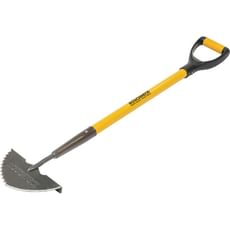
Blade Design: The classic half-moon shape performs well for most applications, providing an effective cutting action with a natural rocking motion. If you're establishing new borders through established turf or working with heavy clay soils, consider a serrated edging iron like the Roughneck model, which cuts through tough ground more aggressively. For general lawn edge maintenance and re-cutting existing borders, a straight-edged blade provides the cleanest, most precise cut.
Foot Tread: A rolled or stepped tread at the top of the blade proves essential for comfortable, efficient use, allowing you to apply substantial downward force without discomfort or foot bruising. This feature becomes particularly important for professional users or anyone tackling larger areas where cumulative foot fatigue becomes a significant consideration affecting productivity.
Multi-Change Systems: If you're building a comprehensive garden tool collection or equipping a maintenance van, consider investing in a multi-change system from Wolf Garten or Gardena COMBISYSTEM. These allow you to purchase just the edging iron head and utilise it with a single handle shared across multiple garden tools, delivering both cost savings and reduced storage space in your shed, garage, or vehicle.
Professional vs Domestic Use: For occasional domestic use maintaining a single property, entry-level models from Draper or Faithfull Essentials deliver perfectly adequate performance and longevity. Professional landscapers, groundskeepers, and maintenance contractors should consider premium ranges such as Spear and Jackson Neverbend, Faithfull Prestige, or Bulldog Evergreen, which offer enhanced durability, superior materials, and backing from manufacturers with proven reputations in the professional sector.
Popular Accessories
- Long-Handled Lawn Shears: Perfect for trimming grass edges and overhanging growth after cutting with your edging iron, providing a neat, finished appearance to completed borders.
- Border Forks and Spades: Useful for removing cut turf sections and debris after edging, preparing new border areas, and incorporating organic matter into newly created beds.
- Garden Kneelers and Knee Pads: Provide essential comfort when working at ground level to achieve perfectly straight edges, inspect your work closely, and make fine adjustments.
- Spirit Levels and String Lines: Essential for marking out straight edges and ensuring consistent border lines, particularly when creating new lawn boundaries or establishing formal garden layouts.
- Tool Maintenance Products: Sharpening stones, wire brushes, protective oils, and rust inhibitors to keep carbon steel blades in optimal working condition throughout the season.
- Garden Tool Storage Solutions: Wall-mounted racks, tool organisers, or van storage systems to protect your edging iron from damage and keep it readily accessible when needed.
- Wheelbarrows or Garden Trugs: For collecting and removing cut turf, soil, and debris from freshly edged borders, maintaining a tidy working area throughout the task.
Safety Information
Personal Protective Equipment: Always wear sturdy gardening gloves to protect hands from blisters during extended use and to maintain secure grip on the handle. Steel toe-capped boots or robust footwear with reinforced toecaps provide essential protection when driving the blade into the ground, particularly important when working on hard or stony soil where the blade might deflect.
Safe Working Practices: Inspect the edging iron before each use, checking that the handle is securely attached to the blade and showing no signs of splitting or damage. Ensure the blade remains sharp, as blunt edges require excessive force and increase the risk of the tool slipping or causing strain injuries. When edging, maintain stable footing on level ground and work away from your body to prevent injury if the blade slips or encounters unexpected resistance such as buried stones or roots.
Tool Maintenance and Storage: Clean the blade thoroughly after each use to remove soil and organic matter, which can harbour moisture and accelerate corrosion. Store edging irons in a dry location, preferably hanging on wall-mounted brackets to prevent the blade edge from contacting hard surfaces. Keep blades sharp using appropriate sharpening tools, as this reduces the physical effort required and improves cutting precision, thereby reducing fatigue and injury risk during prolonged use.
Frequently Asked Questions
What's the difference between an edging iron and a half-moon edger?
These terms refer to the same tool. "Edging iron" is the general name for this category of garden implement, whilst "half-moon edger" specifically describes the traditional crescent-shaped blade design that characterises most edging irons. Some gardeners also call them lawn edgers or edging knives, though all terms describe the same fundamental tool designed for cutting lawn edges.
Should I choose carbon steel or stainless steel?
Carbon steel edging irons prove more affordable and hold a sharp cutting edge excellently, making them ideal for regular domestic use on a single property. However, they require cleaning after use and occasional oiling to prevent rust formation. Stainless steel models from brands like Kew Gardens and Faithfull Prestige cost more initially but resist corrosion naturally, require substantially less maintenance, and are strongly preferred by professionals who use them frequently across multiple sites in all weather conditions.
How often should I edge my lawn?
For maintaining existing edges on domestic properties, most gardeners edge their lawns every 4-6 weeks during the growing season, typically April through September in the UK. Professional landscapers working on high-maintenance commercial properties or prestigious estates may edge fortnightly or even weekly during peak growing periods. Well-maintained edges require considerably less effort than neglected ones, so regular light maintenance proves more efficient and less physically demanding than infrequent heavy work on overgrown borders.
Can I use an edging iron on all soil types?
Standard edging irons work effectively on most soil types, though technique and effort vary considerably. Sandy or loamy soils are easiest to cut through cleanly. Clay soils and compacted ground require more force and benefit significantly from a serrated blade design like the Roughneck model. Very dry, hard ground is best edged after rainfall or thorough watering, when soil is slightly moist and more workable, though avoid working when soil is waterlogged as this creates messy edges and compaction issues.
Do I need different tools for creating new edges versus maintaining existing ones?
The same edging iron can perform both tasks effectively, though creating entirely new edges through established turf requires considerably more effort and physical exertion. A serrated blade design helps significantly when cutting through virgin ground or tackling areas that haven't been edged for several seasons, whilst a standard straight-edged blade maintains existing borders perfectly efficiently. Many professionals working for Tooled-Up.com customers keep both types available in their tool collection, selecting the most appropriate tool for each specific job and soil condition encountered.