

Hand Braces & Drills

Pay in 3 interest-free payments on purchases from £20-£3000 with  . Learn more.
 Loading...
End of content
Error - No more pages to load
About Hand Braces & Drills
Hand braces and drills represent the foundation of traditional manual drilling, offering reliable operation without batteries, cords, or electrical power. These time-tested tools remain essential for precision woodworking, restoration projects, and situations where power tools prove impractical or unavailable. Whether working on delicate antique furniture, drilling in remote locations, or simply preferring the control and tactile feedback of manual operation, hand-powered drilling tools deliver exceptional accuracy that modern cordless drills cannot always replicate.
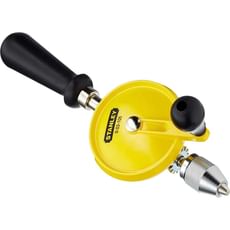
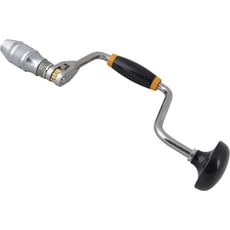
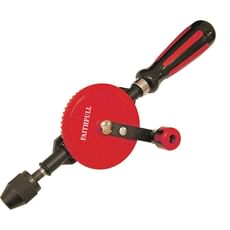
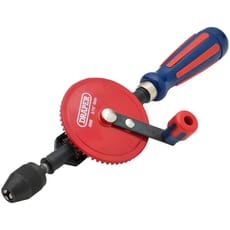
Hand braces, recognisable by their distinctive U-shaped cranks, provide excellent leverage for drilling larger diameter holes through wood, whilst hand drills (sometimes called egg-beater drills) excel at creating smaller, precise holes with greater rotational speed. Both tool types accept standard drill bits and remain invaluable for cabinet makers, furniture restorers, boat builders, and woodworking purists who value traditional craftsmanship. Many professional tradespeople keep these tools in their kit as reliable backup options for site work where power sources are limited or when working in environments where noise restrictions apply.
The selection at Tooled-Up.com includes both hand braces and hand drills from trusted manufacturers such as Stanley, offering robust construction and smooth operation that professionals demand. These tools complement modern power tool collections from brands like Makita and DeWalt, providing versatility and reliability that stands the test of time without running costs or downtime for battery charging.
Jargon Buster
- Chuck – The adjustable clamping mechanism that securely holds drill bits. Hand tool chucks typically accept round-shank bits and are tightened manually using integrated jaws or a key mechanism.
- Sweep (or Throw) – The diameter of the circular cranking motion on a hand brace, typically ranging from 200mm to 350mm. A larger sweep provides greater leverage for drilling through tougher materials or creating larger diameter holes.
- Ratchet Mechanism – A feature found on quality hand braces that allows drilling in confined spaces by enabling clockwise rotation whilst the handle moves back and forth through a limited arc, rather than requiring full circular motion.
- Two-Speed Gear – A gearing system found on some hand drills that allows switching between high speed for smaller holes and increased torque for larger diameter drilling operations.
- Quill – The rotating shaft that connects the chuck to the drive mechanism. In hand braces, this component often features a ball-bearing socket for smooth operation and reduced user fatigue.
- Auger Bit – Specialist wood boring bits with screw threads and cutting spurs, designed specifically for hand brace operation, pulling themselves into the work with minimal downward pressure.
Who Uses Hand Braces & Drills?
Hand braces and drills serve a diverse range of users across both professional trades and specialist applications:
- Cabinet Makers and Joiners – For precise drilling in fine furniture construction and traditional joinery work
- Antique Furniture Restorers – Essential for authentic restoration work using period-appropriate techniques and avoiding damage to delicate pieces
- Boat Builders and Marine Carpenters – For drilling in tight spaces and when working with traditional wooden boat construction methods
- Timber Frame Builders – When working on site without reliable power sources or in heritage construction projects
- Luthiers and Musical Instrument Makers – Precision drilling that won't splinter or tear delicate tonewoods
- Historical Building Conservation Specialists – Working on listed buildings where traditional methods and minimal vibration are required
- DIY Enthusiasts and Woodworking Hobbyists – Those who appreciate traditional craftsmanship and quiet operation in home workshops
- Site Workers in Remote Locations – Requiring reliable tools independent of 240v power supplies or battery charges
How to Choose the Right Hand Braces & Drills
Type of Work: Hand braces excel at drilling larger diameter holes (typically 6mm to 25mm) through softwoods and hardwoods, providing excellent leverage through their sweeping crank motion. Hand drills offer faster rotation speeds ideal for holes between 1mm and 10mm diameter, making them perfect for pilot holes, small fixings, and detailed work.
Chuck Capacity: Consider the maximum bit shank diameter the chuck can accommodate. Standard hand brace chucks typically accept bits up to 13mm, whilst hand drills usually handle bits from 1mm to 8mm. Universal chucks offer greater versatility across different bit types.
Build Quality and Materials: Look for tools with cast iron or steel frames rather than pressed metal, as these provide superior durability and stability during operation. Hardwood handles offer comfortable grip and better balance than plastic alternatives. Brands like Stanley have established reputations for manufacturing robust hand tools that last for decades with proper maintenance.
Ratchet Functionality: If you regularly work in confined spaces or corners, a hand brace with a two-way ratchet mechanism proves invaluable, allowing drilling without full rotation clearance. This feature significantly enhances versatility on site work where access may be restricted.
Gear Ratios: Some hand drills feature two-speed gearing, providing flexibility between faster drilling speeds and increased torque. This versatility justifies the slightly higher investment for professionals undertaking varied work across different materials and hole sizes.
Weight and Balance: Handle the tool before purchasing if possible. Well-balanced tools reduce fatigue during extended use, with weight distributed evenly between the crank, body, and chuck assembly. This becomes particularly important during prolonged restoration or joinery projects.
Popular Accessories
Maximise the versatility and effectiveness of your hand braces and drills with these essential accessories:
- Auger Bits – Specialist wood boring bits with screw threads and cutting spurs, designed specifically for hand brace operation in diameters from 6mm to 25mm
- Centre Bits – For drilling clean, flat-bottomed holes in wood, particularly useful for hinge recesses and lock installations
- Countersink Bits – Creating tapered recesses for screw heads to sit flush with the work surface in finished joinery
- Twist Drill Bits – Standard HSS bits in various sizes from brands like Irwin for general-purpose drilling through wood, plastic, and soft metals
- Screwdriver Bits – Converting your hand brace into a powerful manual screwdriver for large fixings and timber screws
- Extension Pieces – Allowing drilling in recessed areas or through thick materials where standard reach proves insufficient
- Tool Roll or Canvas Wrap – Protecting your hand tools during storage and transportation between jobs
- Depth Stops – Ensuring consistent hole depths for professional results in repetitive drilling operations
- Sharpening Files – Maintaining sharp cutting edges on auger bits and centre bits for optimal performance and reduced effort
Safety Information
Whilst hand braces and drills present fewer hazards than power tools, observing proper safety practices ensures injury-free operation:
Workpiece Security: Always secure your workpiece firmly using clamps, a vice, or other appropriate holding methods. Never attempt to drill whilst holding material by hand, as the tool can bind and cause the workpiece to spin unexpectedly.
Sharp Bits: Maintain drill bits in sharp condition through regular sharpening. Dull bits require excessive pressure, increasing the risk of slipping and causing control issues. Sharp tools are safer tools and require less physical effort.
Grain Direction Awareness: When drilling through wood, be conscious of grain direction. Bits can deflect along grain lines, potentially causing breakthrough in unexpected locations. Always support the exit side of the workpiece to prevent tearout and splintering.
Personal Protective Equipment: Wear safety glasses to protect against wood chips and metal shavings. Avoid loose clothing, jewellery, or gloves that could become entangled in the rotating mechanism during operation.
Body Position: Maintain stable footing and balanced posture during operation. Position yourself so that if the bit suddenly breaks through the material, the tool won't strike your body. Keep your free hand well clear of the chuck and rotating components.
Bit Installation: Ensure bits are securely tightened in the chuck before commencing work. Periodically check tightness during extended use, as vibration can cause loosening over time, potentially resulting in the bit slipping or falling out.
Frequently Asked Questions
Can I use modern power tool drill bits in hand braces and drills?
Standard twist drill bits work perfectly in both hand braces and hand drills, provided they have round shanks that fit your chuck capacity. However, for optimal performance in hand braces, traditional auger bits with screw leads and wider cutting spurs are specifically designed for manual operation and produce superior results when drilling wood. These specialist bits pull themselves into the work with minimal downward pressure, reducing operator fatigue significantly during extended use.
Are hand braces and drills still relevant with modern cordless power tools available?
Absolutely. Hand-powered tools offer distinct advantages including zero running costs, silent operation, unlimited runtime without batteries, exceptional control for delicate work, and reliability in any environment. Many professionals keep them as backup tools, whilst furniture restorers, luthiers, and conservation specialists rely on them daily. They're particularly valuable for precision work where the tactile feedback helps prevent over-drilling or material damage that might occur with high-speed power tools.
How do I maintain and care for hand braces and drills?
Regular maintenance extends tool life significantly. Clean accumulated dust and debris after each use, particularly around the chuck mechanism. Apply light machine oil to moving parts, gears, and ratchet mechanisms periodically to ensure smooth operation. Store in a dry environment to prevent rust formation on metal components. Check wooden handles for splits or looseness, tightening retaining screws as needed. Keep drill bits sharp and properly stored in tool rolls or dedicated storage. Quality hand tools properly maintained can provide decades of reliable service.
What size hand brace do I need for general woodworking?
For versatile general-purpose use, a hand brace with a 250mm to 300mm sweep provides an excellent balance between leverage and manoeuvrability. This size handles most common drilling tasks from 6mm pilot holes up to 20mm diameter holes in both hardwoods and softwoods. A ratchet mechanism adds significant versatility for working in confined spaces. If your work involves primarily smaller holes below 10mm diameter, a hand drill offers faster operation and greater precision for detailed joinery and cabinet work.
Can hand braces drill through materials other than wood?
Hand braces work effectively in soft metals, plastics, and composite materials when fitted with appropriate bits. However, they're optimised for wood drilling where their leverage and control prove most beneficial. For metalwork, hand drills generally provide better results due to their higher rotational speeds. When drilling metal, use cutting fluid, proceed slowly, and ensure bits remain sharp. Very hard materials like steel or masonry require excessive effort and risk damaging the tool, making power tools from brands like Makita or Milwaukee more appropriate for these demanding applications.