

Riddle Sieves

Pay in 3 interest-free payments on purchases from £20-£3000 with  . Learn more.
 Loading...
End of content
Error - No more pages to load
About Riddle Sieves
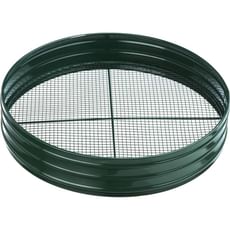
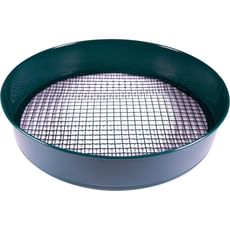
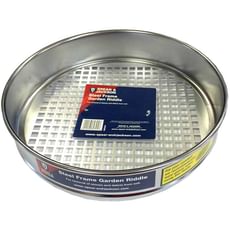
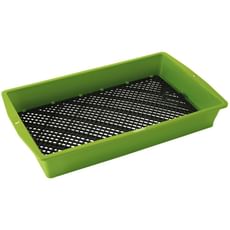
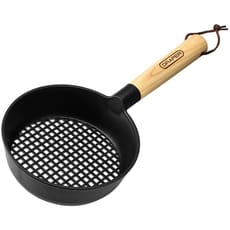
Riddle sieves, also known as garden riddles or soil sieves, are essential tools for preparing soil and compost to the perfect consistency for planting, potting, and general gardening tasks. These circular-framed sieves feature mesh screening that separates fine soil and compost from unwanted debris such as stones, roots, twigs, and large clumps. Available in various mesh sizes and materials, riddle sieves help gardeners and groundskeepers achieve uniform, workable soil that promotes healthy plant growth and makes planting considerably easier.
The selection available from Tooled-Up.com includes both traditional steel-framed models and modern plastic alternatives, catering to different preferences and budgets. Steel garden riddles offer exceptional durability and are ideal for heavy-duty use on larger plots or professional landscaping projects, whilst plastic sieves provide a lightweight, rust-proof option perfect for everyday gardening tasks. Many contemporary designs feature adjustable mesh systems that allow users to change the screening size without needing multiple tools, making them versatile additions to any garden shed or groundskeeping facility.
Whether you're preparing seed beds, sieving compost for potting mixes, or simply tidying up topsoil before laying turf, a quality riddle sieve significantly reduces manual labour and delivers consistently superior results. Trusted brands such as Bulldog, Draper, Spear and Jackson, and Town and Country manufacture riddle sieves to exacting standards, ensuring reliability across domestic and professional applications.
Jargon Buster
- Mesh Size: The spacing between wires in the sieve screen, typically measured in millimetres or inches. Common sizes range from 3mm to 12mm, with smaller meshes producing finer soil and larger meshes allowing more material through whilst removing only the biggest debris.
- Riddle: A traditional term for a coarse sieve used primarily for agricultural and horticultural purposes. The word "riddle" has been used in British gardening for centuries and refers specifically to the sieving or screening process.
- Galvanised Steel: Steel that has been coated with a protective layer of zinc to prevent rust and corrosion, making it ideal for outdoor tools that are frequently exposed to moisture and soil.
- Screen Depth: The vertical height of the sieve frame, typically ranging from 50mm to 100mm. Deeper frames hold more material and reduce spillage during vigorous shaking or agitation.
- Adjustable Mesh: A dual-screen system where the upper mesh slides to vary the effective sieve size, allowing users to switch between different grades of screening without changing tools.
Who Uses Riddle Sieves?
- Gardeners and Allotment Holders: For preparing seed beds, sieving compost, and creating fine soil for delicate plantings
- Landscape Gardeners: Professional groundskeepers who require quality topsoil preparation for turf laying and ornamental planting schemes
- Groundskeepers and Estate Managers: Maintenance professionals responsible for parks, sports grounds, golf courses, and large private gardens
- Nursery Workers: Horticultural businesses that need consistent, debris-free growing media for plant propagation and potting
- Archaeologists: Field workers who use riddle sieves to carefully screen excavated soil for small artefacts and ecofacts
- Builders and Contractors: Construction professionals who occasionally need to sieve sand, aggregate, or topsoil for specific applications
- DIY Enthusiasts: Home improvers tackling garden projects, raised bed construction, or landscaping improvements
How to Choose the Right Riddle Sieves
Frame Material: Steel-framed riddles offer superior durability and are better suited to frequent, heavy-duty use, particularly when working with stony or compacted soil. Plastic models are lighter, easier to handle for extended periods, and won't rust, making them ideal for smaller gardens or users who prefer reduced physical strain.
Mesh Size: Consider your primary application when selecting mesh size. Fine meshes (3-6mm) are perfect for seed compost and potting soil, producing a smooth, uniform texture. Medium meshes (6-10mm) suit general garden soil preparation, whilst coarse meshes (10-12mm) are ideal for removing only the largest stones and debris from topsoil.
Diameter: Riddle sieves at Tooled-Up typically range from 300mm to 400mm in diameter. Larger diameters process more material per cycle but require more storage space and can be heavier when loaded. Match the size to your typical workload and physical capability.
Adjustability: Adjustable mesh riddles offer excellent versatility, allowing you to tackle different tasks with a single tool. Whilst they cost slightly more than fixed-mesh alternatives, they eliminate the need to purchase and store multiple sieves.
Build Quality: Look for welded construction on steel models rather than riveted joints, as this provides superior longevity. Check that mesh is securely attached and won't sag or distort under the weight of wet soil.
Popular Accessories
- Wheelbarrows and Garden Carts: Essential for transporting sieved soil and collected debris around the garden
- Buckets and Tubs: Useful for collecting sieved material and keeping different grades of soil separated
- Garden Kneelers and Seats: Provide comfort during extended sieving sessions, particularly for users with mobility concerns
- Hand Trowels and Forks: Complementary tools for breaking up clumps before sieving and handling prepared soil
- Compost Bins: For creating your own organic material that will eventually need sieving before use
- Work Gloves: Protect hands from abrasion, splinters, and soil-borne irritants during prolonged gardening tasks
- Garden Storage Solutions: Sheds, tool racks, and hooks for properly storing riddle sieves to extend their lifespan
Frequently Asked Questions
What's the difference between a riddle and a standard sieve?
The terms are largely interchangeable in gardening contexts, though "riddle" traditionally refers to coarser, more robust sieves designed specifically for agricultural and horticultural use. Riddles typically feature circular frames with handles and are built to withstand outdoor conditions, whereas generic sieves might refer to finer kitchen or laboratory equipment.
How do I maintain my riddle sieve?
After each use, remove soil and debris from the mesh using a stiff brush or by tapping the frame sharply. Rinse with water if necessary and allow to dry completely before storage. Steel riddles benefit from occasional light oiling to prevent rust, whilst plastic models simply need cleaning. Always store in a dry location away from ground moisture.
Can riddle sieves be used for materials other than soil?
Yes, riddle sieves are versatile tools suitable for screening sand, fine gravel, compost, leaf mould, and various aggregates. They're also used in archaeological excavations, panning for minerals, and separating harvested root vegetables from soil. Always match the mesh size to your material for best results.
What mesh size should I choose for general gardening?
For all-purpose garden use, a mesh size between 6mm and 10mm offers the best compromise. This removes most stones, roots, and debris whilst producing workable soil suitable for planting, lawn preparation, and general cultivation. An adjustable riddle provides maximum flexibility for users with varied requirements.
Are plastic riddle sieves as durable as steel ones?
Quality plastic riddles from established manufacturers offer excellent durability for domestic gardening tasks and have the advantage of being rust-proof and lighter to handle. However, steel models remain superior for professional or heavy-duty applications where the tool will be used daily or subjected to particularly stony, compacted soil. Consider your usage frequency and intensity when making your selection.