

Screenwash

Pay in 3 interest-free payments on purchases from £20-£3000 with  . Learn more.
 Loading...
End of content
Error - No more pages to load
About Screenwash
Screenwash is an essential vehicle maintenance product designed to keep windscreens clean, clear and safe for driving in all weather conditions. Whether you're a professional driver covering hundreds of miles daily or a tradesperson whose van is vital for getting to jobs, maintaining clear visibility is crucial for road safety and legal compliance. Quality screenwash does far more than plain water – it cuts through road grime, removes insect residue, prevents smearing, and contains antifreeze properties to stop washer systems freezing during harsh UK winters.
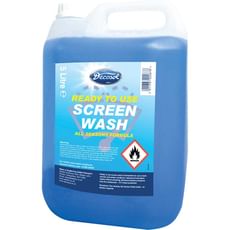
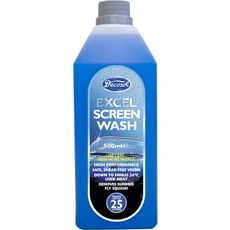
Tooled-Up.com stocks screenwash solutions from trusted brands like Decosol, available in both concentrated and ready-mixed formulations. Concentrated screenwash offers excellent value for money and reduces storage space requirements, as you simply dilute it with water to your preferred strength depending on the season. Ready-mixed screenwash provides ultimate convenience – simply pour directly into your vehicle's washer reservoir without any measuring or mixing required. Both options deliver effective cleaning performance to keep your windscreen spotless and your vision unobstructed.
Modern screenwash formulations are specifically engineered to work with vehicle washer systems and wiper blades, providing lubrication to reduce wear whilst removing stubborn deposits that plain water simply cannot shift. They're safe for use on glass, rubber, plastic and paintwork, making them an essential addition to any vehicle maintenance routine for cars, vans, trucks and commercial fleet vehicles.
Jargon Buster
- Concentrated Screenwash: A highly concentrated formula that requires dilution with water before use. Typically mixed at different ratios depending on seasonal requirements – weaker in summer, stronger in winter for frost protection. One 5-litre bottle can produce up to 25 litres of ready-to-use solution.
- Ready-Mixed Screenwash: Pre-diluted screenwash that's ready to pour straight into your vehicle's washer reservoir without any preparation. Convenient but takes up more storage space than concentrated alternatives.
- Antifreeze Protection: The temperature rating (usually expressed in degrees Celsius) down to which the screenwash will remain liquid and not freeze. Winter formulations typically offer protection down to -20°C or lower, essential for UK winter conditions.
- Smear-Free Formula: Screenwash designed to leave no streaks or residue on glass, ensuring crystal-clear visibility after wiping. Particularly important when driving towards low sun or at night with oncoming headlights.
- Bug Remover: Enhanced formulations containing stronger cleaning agents specifically designed to break down and remove dried insect remains from windscreens – especially useful during summer months.
- De-ionised Water: Purified water recommended for diluting concentrated screenwash, as it contains no minerals that could leave deposits or cause system blockages in your vehicle's washer system.
Who Uses Screenwash?
Screenwash is an essential product for a wide range of vehicle users, including:
- Professional drivers and delivery personnel who need clear visibility throughout long shifts
- Tradespeople including builders, plumbers, electricians and carpenters who rely on their vans daily
- Construction site managers and contractors operating commercial vehicle fleets
- Landscape gardeners and groundskeepers working in rural areas with dusty conditions
- Mechanics and vehicle maintenance technicians servicing customers' cars
- Fleet managers responsible for maintaining company vehicles
- DIY enthusiasts and homeowners maintaining their personal vehicles
- Agricultural workers operating farm vehicles and machinery
- Taxi and private hire drivers who must maintain professional vehicle standards
- Caravan and motorhome owners preparing for touring holidays
How to Choose the Right Screenwash
Concentrated vs Ready-Mixed: Consider your storage space and usage frequency. Concentrated screenwash offers better value for regular users and those maintaining multiple vehicles or fleets. Ready-mixed is ideal for occasional use, emergency top-ups or when convenience outweighs economy.
Seasonal Requirements: Check the antifreeze protection rating if purchasing during autumn or winter months. UK winters regularly see temperatures drop below freezing, so choose screenwash offering protection down to at least -15°C to -20°C. Summer formulations can focus more on cleaning power for removing insects and pollen.
Quantity and Value: Larger containers offer better value per litre if you have storage space. A 5-litre concentrated bottle can produce 25-50 litres of ready-to-use screenwash depending on dilution ratio, making it highly economical for regular users and commercial fleet applications.
Dilution Ratios: When buying concentrated screenwash, check the recommended mixing ratios. Typical guidelines suggest 1:4 (one part screenwash to four parts water) for summer use, increasing to 1:1 or even neat application for winter protection. Always follow manufacturer instructions for optimal performance and freeze protection.
Compatibility: Ensure the screenwash is suitable for all vehicle types and won't damage rubber seals, plastic components or paintwork. Quality brands available from Tooled-Up formulate their products to be safe for all modern vehicle systems including those with headlamp washers.
Popular Accessories
- Measuring jugs and funnels for accurate dilution and mess-free pouring
- Microfibre cloths and chamois leathers for cleaning windscreens
- Windscreen washer pumps and replacement nozzles
- Wiper blades and wiper blade refills for complete visibility maintenance
- Screenwash storage containers and dispensing equipment for workshops
- De-icer spray for emergency frost removal
- Glass cleaning products for interior windscreen maintenance
- Windscreen rain repellent treatments
- Vehicle cleaning buckets and washing accessories
Safety Information
Always handle screenwash products responsibly and follow COSHH guidelines when used in workplace environments. Store screenwash in a cool, dry place away from direct sunlight and ensure containers are clearly labelled. Keep screenwash away from children and pets, as many formulations contain chemicals that can be harmful if ingested.
When handling concentrated screenwash, avoid contact with eyes and prolonged skin contact. If you experience irritation, rinse thoroughly with clean water. Ensure adequate ventilation when mixing large quantities, particularly in enclosed spaces or workshops. Never mix screenwash with other chemicals or cleaning products unless explicitly stated as safe by the manufacturer.
Dispose of old or unwanted screenwash responsibly – do not pour down drains or into watercourses. Contact your local authority for guidance on proper disposal methods. When topping up your vehicle's washer reservoir, take care not to overfill, and wipe up any spills immediately as screenwash can be slippery and may affect paintwork if left to dry.
Frequently Asked Questions
Can I use washing-up liquid instead of proper screenwash?
No, washing-up liquid is not recommended as it can damage rubber seals and wiper blades, leaves residue that smears, and provides no antifreeze protection. It may also create excessive foam that can affect washer pump performance. Always use purpose-made screenwash for optimal results and system longevity.
How much concentrated screenwash should I mix with water?
Dilution ratios vary by season and product. For summer use, typically mix 1 part screenwash to 4-5 parts water. For winter protection, use a stronger mixture of 1:1 or even neat concentrate depending on expected temperatures. Always check the product label for specific guidance on achieving your desired freeze protection level.
Is screenwash harmful to the environment?
Modern screenwash formulations are designed to be biodegradable and less harmful than older products. However, they should still be used responsibly and never poured directly into drains or watercourses. Use only the amount needed and dispose of any waste according to local authority guidelines for household chemicals.
How often should I top up my screenwash?
Check your screenwash level regularly, ideally weekly or before long journeys. Usage varies considerably depending on driving conditions – you'll use more during winter months and on dirty roads. Most modern vehicles have a dashboard warning light that illuminates when screenwash is low, but don't wait until it's empty as this can damage the washer pump.
Can I mix different brands of screenwash together?
Whilst generally safe, it's best practice to use one brand consistently to ensure optimal performance and avoid potential chemical reactions. If changing brands, try to use up the existing screenwash first. Never mix screenwash with other automotive fluids like antifreeze or oil, as this can damage your washer system.