

Towing Signs

Pay in 3 interest-free payments on purchases from £20-£3000 with  . Learn more.
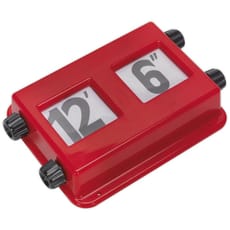
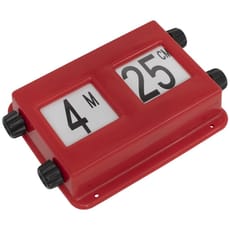
 Loading...
End of content
Error - No more pages to load
About Towing Signs
Towing signs are essential safety equipment for drivers of commercial vehicles, lorries, vans, and anyone operating vehicles that exceed standard height restrictions. These highly visible indicators help prevent costly and dangerous collisions with low bridges, car park height barriers, overhead cables, and other height-restricted infrastructure across the UK's road network. Whether you're a professional HGV driver, fleet manager, or tradesperson operating a tall commercial vehicle, having a clear and accurate height indicator displayed in your cab is crucial for safe navigation and legal compliance.
The towing signs available at Tooled-Up.com include height indicator signs specifically designed for commercial vehicles, providing drivers with a constant visual reminder of their vehicle's total height. These indicators are particularly vital when driving unfamiliar routes or when vehicle height changes due to loaded equipment, roof racks, or mounted machinery. Quality height indicators from trusted manufacturers like Sealey ensure you have reliable, durable signage that remains clearly visible in all driving conditions, helping you avoid the significant consequences of bridge strikes, which can include vehicle damage, injury, road closures, and substantial fines.
Modern towing and height warning signs are designed for easy installation within the vehicle cab, featuring clear metric measurements that comply with UK road regulations. These professional-grade indicators serve as a constant safety reminder, particularly important for drivers who operate multiple vehicles or switch between loaded and unloaded configurations throughout their working day. With adjustable options covering height ranges from 2 to 6.75 metres, these essential safety devices provide peace of mind for anyone responsible for commercial vehicle operations.
Jargon Buster
- Height Indicator: A visible sign displayed inside a vehicle cab showing the total height of the vehicle including any load, equipment, or roof-mounted items. Essential for avoiding low bridges and height-restricted areas.
- Bridge Strike: A collision between a vehicle and a bridge or overhead structure, typically caused by the driver being unaware of or misjudging their vehicle's height. These incidents can result in serious damage, injury, and prosecution.
- Metric Display: Height measurements shown in metres and centimetres, which is the standard measurement system used on UK road signs and height restriction warnings.
- Commercial Vehicle Signage: Mandatory and advisory signs required or recommended for commercial vehicles to ensure safe operation and compliance with road traffic regulations.
- Cab-Mounted Indicator: A sign or device fixed within the driver's line of sight inside the vehicle cabin, providing constant visibility of important vehicle dimensions or safety information.
- Maximum Height Warning: The clearly displayed measurement indicating the tallest point of a vehicle, used to compare against height restriction signs encountered on the road network.
Who Uses Towing Signs?
- HGV and lorry drivers operating vehicles with varying load heights
- Van drivers with high-top conversions or roof-mounted equipment
- Fleet managers responsible for commercial vehicle safety compliance
- Delivery drivers navigating urban areas with numerous height restrictions
- Removal and logistics companies operating tall box vehicles
- Plant and machinery operators transporting equipment on flatbed lorries
- Construction site managers overseeing vehicle movements on and off site
- Agricultural contractors moving tractors and tall farming equipment
- Caravan and horsebox owners towing or driving high-sided vehicles
- Mobile tradespeople with roof racks, ladder racks, or elevated equipment
- Scaffolders and roofers with loaded commercial vehicles
- Event and exhibition contractors transporting temporary structures
How to Choose the Right Towing Signs
When selecting a height indicator or towing sign for your commercial vehicle, the first consideration is ensuring you have accurate measurements of your vehicle's maximum height. Measure from ground level to the highest point, including any roof-mounted equipment, aerials, or load. It's advisable to add a small safety margin of 50-100mm to account for suspension compression and loaded conditions.
Look for signs with clear, large numerals that are easily readable at a glance without distracting you from the road ahead. The indicator should be positioned within your natural line of sight, typically attached to the dashboard, windscreen, or sun visor area. Choose products with secure mounting systems that won't vibrate loose during normal driving conditions but can be adjusted when vehicle configuration changes.
Durability is essential for commercial environments. Select height indicators manufactured from robust materials that resist fading from sunlight exposure and won't deteriorate in the varying temperature conditions inside a vehicle cab. Trusted manufacturers like Sealey produce professional-grade indicators designed specifically for the demanding conditions of commercial vehicle operation, with models covering metric ranges from 2 to 6.75 metres.
Consider whether you need an adjustable indicator if you regularly operate different vehicles or if your vehicle height changes depending on load configuration. Some indicators feature fully adjustable displays that allow quick updates without replacing the entire sign. For fleet applications, standardised signage across all vehicles helps ensure consistent safety practices and driver awareness. Tooled-Up stocks fully adjustable models that provide flexibility for multi-vehicle operations.
Popular Accessories
- Blind spot mirrors for improved visibility when manoeuvring large vehicles
- Reversing cameras and sensors for enhanced rear visibility
- Load securing straps and ratchets to safely secure tall loads
- Roof marker lights to indicate vehicle height to other road users
- Hi-vis vehicle markings for improved commercial vehicle visibility
- Cab organisers and document holders for storing route cards and delivery notes
- Fire extinguishers suitable for commercial vehicle cabins
- First aid kits meeting commercial vehicle requirements
- Vehicle safety checks documentation for compliance records
- Portable measuring tools for verifying load heights
Safety Information
Bridge strikes represent one of the most common and costly incidents affecting commercial vehicles in the UK, with Network Rail reporting thousands of incidents annually. Installing and maintaining an accurate height indicator is a simple but critical safety measure that can prevent catastrophic collisions. Drivers should verify their vehicle height before each journey, particularly after loading or when switching between vehicles.
According to HSE guidelines, employers have a duty of care to provide appropriate safety equipment and ensure drivers are adequately trained in vehicle dimensions and route planning. Height indicators should be checked regularly to ensure they remain secure, clearly visible, and accurately set. Remember that vehicle height can change with suspension wear, tyre replacement, or modifications, so periodic verification is essential.
Always plan routes carefully using commercial vehicle navigation systems or route planning tools that account for height restrictions. If you're unsure whether your vehicle will clear a restriction, find an alternative route rather than risk a bridge strike, which can result in prosecution, significant fines, vehicle seizure, and potential injury. Display your height indicator prominently and make checking it part of your pre-journey routine to maintain constant awareness of your vehicle dimensions.
Frequently Asked Questions
How do I measure my vehicle height correctly?
Measure from ground level to the highest point of your vehicle using a tape measure or height stick. Include everything: roof equipment, aerials, roof bars, and any load. Measure with the vehicle on level ground and at normal operating weight. It's wise to add 50-100mm as a safety margin to account for suspension movement and road surface variations.
Are height indicators a legal requirement?
While not strictly mandated by law for all vehicles, height indicators are strongly recommended for commercial vehicles and are considered best practice for fleet safety management. Many transport operators and fleet insurers require them as part of their safety protocols. They demonstrate due diligence in preventing bridge strikes and height restriction collisions.
Where should I position a height indicator in my cab?
Position the indicator within your natural line of sight without obstructing your view of the road. Common locations include the top centre of the dashboard, attached to the sun visor, or mounted on the windscreen within the wiper sweep area. The key is ensuring you can see it with a quick glance without taking your attention from driving.
Do I need different indicators for different vehicles?
If you regularly drive multiple vehicles of different heights, you'll need either separate indicators set to each vehicle's height or a fully adjustable indicator that you can modify. Never assume all vehicles in a fleet are the same height, even if they appear similar. Each vehicle should be individually measured and clearly marked.
What should I do if I'm approaching a height restriction and I'm unsure if I'll clear it?
Never risk proceeding if you're uncertain. Stop safely, check your height indicator against the restriction, and if there's any doubt, find an alternative route. Most bridge strikes occur when drivers attempt to squeeze through marginal clearances. The inconvenience of finding another route is far less than the consequences of a collision.