

Weed Forks

Pay in 3 interest-free payments on purchases from £20-£3000 with  . Learn more.
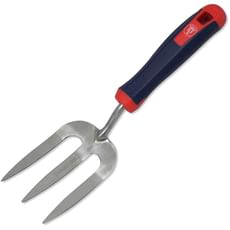
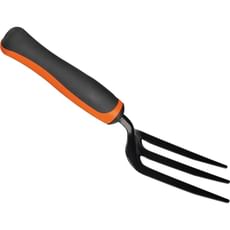
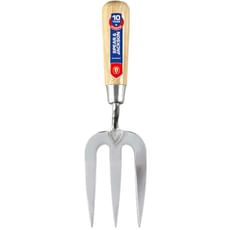
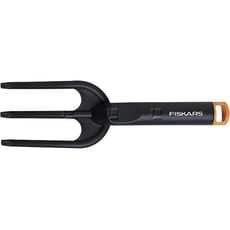
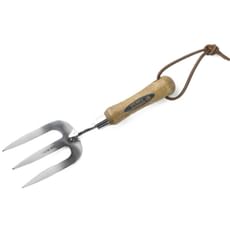
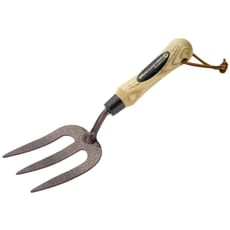
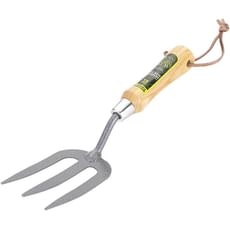
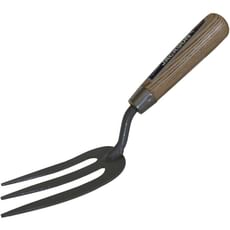
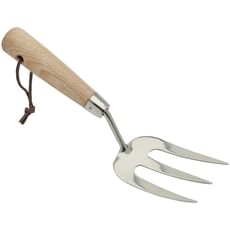
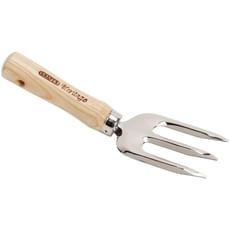
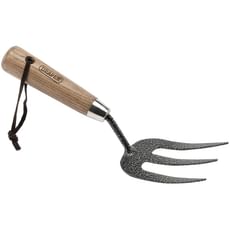
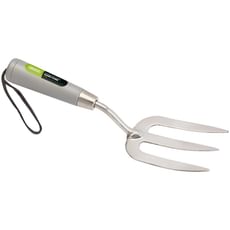
 Loading...
End of content
Error - No more pages to load
About Weed Forks
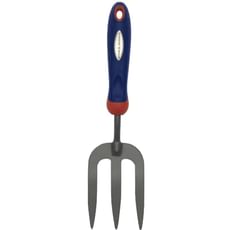
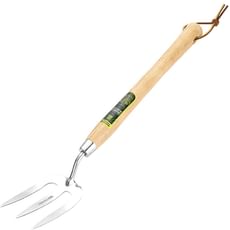
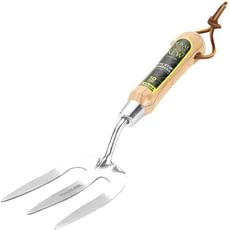
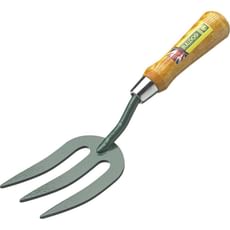
Weed forks are essential hand tools designed to make light work of removing unwanted weeds from gardens, borders, and vegetable patches. Featuring multiple tines—typically three or four prongs—these tools penetrate the soil to lift weeds out by the roots, ensuring complete removal and reducing the likelihood of regrowth. Unlike standard garden forks, weed forks are specifically engineered with narrower, more closely-spaced tines that can navigate between established plants without causing damage, making them indispensable for precision weeding work.
Available in both hand-held and long-handled variants, weed forks cater to different gardening scenarios and user preferences. Hand weed forks offer excellent control for close-up work in tight spaces, raised beds, and container gardening, whilst long-handled versions reduce back strain during extended use across larger areas. Materials range from traditional carbon steel with hardwood handles to modern stainless steel constructions with ergonomic soft-grip handles. The selection at Tooled-Up.com includes options from respected manufacturers such as Spear and Jackson, Draper, Bahco, and Fiskars, ensuring both professional gardeners and enthusiastic DIY gardeners can find tools built to last.
Quality weed forks combine durability with functionality. Carbon steel options provide excellent strength and affordability, though they require occasional maintenance to prevent rust. Stainless steel alternatives offer superior corrosion resistance and typically maintain their appearance over years of use, making them particularly suitable for professional landscapers who depend on their tools daily. Many modern designs incorporate protective coatings and comfortable handles to enhance user experience during prolonged weeding sessions.
Jargon Buster
- Tines: The metal prongs or spikes that penetrate the soil. Weed fork tines are typically narrower and more pointed than those found on digging forks, designed to slip between plants and lift weeds with their root systems intact.
- Tang: The extension of the metal head that connects into the handle. Full-tang construction, where the metal extends through the entire handle, provides greater strength and durability compared to socket-fitted designs.
- Carbon Steel: A traditional material for garden tool heads, offering excellent strength and rigidity. Carbon steel requires occasional oiling to prevent rust but provides superb performance at a competitive price point.
- Stainless Steel: A corrosion-resistant material that maintains its appearance without regular maintenance. Whilst typically more expensive than carbon steel, stainless steel tools resist rust naturally and are ideal for damp conditions.
- Epoxy Powder Coating: A protective finish applied to metal tool heads that guards against corrosion and extends tool life. This coating is particularly common on professional-grade implements.
- Long-Handled vs Hand Fork: Long-handled weed forks feature extended shafts (typically 900-1200mm) allowing users to work standing upright, whilst hand forks have short grips suitable for close-range, controlled weeding whilst kneeling or sitting.
Who Uses Weed Forks?
- Professional Gardeners and Landscapers: Tradespeople who maintain multiple properties and require reliable, durable tools for daily weeding tasks across various garden types.
- Garden Maintenance Contractors: Businesses providing regular garden upkeep services who need robust tools capable of withstanding continuous professional use.
- Allotment Holders: Enthusiasts growing vegetables and flowers who require effective tools for keeping their plots weed-free throughout the growing season.
- Groundskeepers: Those responsible for maintaining parks, sports grounds, educational institutions, and commercial landscapes where weed control is essential.
- Domestic Gardeners: Homeowners who take pride in maintaining their gardens, borders, and flower beds to a high standard.
- Organic Gardeners: Practitioners who prefer manual weeding methods over chemical herbicides, making weed forks an essential tool in their sustainable gardening approach.
- Elderly Gardeners: Users who benefit from long-handled designs that reduce bending and kneeling, making gardening more accessible and comfortable.
How to Choose the Right Weed Forks
Handle Length: Consider your primary usage scenario. Long-handled weed forks (typically 900-1200mm) suit border work and larger areas where standing upright reduces back strain. Hand weed forks excel in raised beds, containers, and between closely-planted specimens where precision matters more than reach. Gardeners often benefit from owning both types to tackle different situations effectively.
Material Construction: Carbon steel heads offer excellent value and performance, ideal for budget-conscious gardeners who don't mind occasional maintenance. Stainless steel options available from Tooled-Up provide superior rust resistance and longevity, justifying their higher initial cost for professional users or those gardening in particularly damp conditions. Check for protective coatings on carbon steel models to enhance durability.
Handle Design: Ergonomic considerations significantly impact comfort during extended use. Soft-grip handles reduce hand fatigue and improve control, particularly valuable for users with arthritis or reduced grip strength. Traditional hardwood handles like ash offer time-tested durability and aesthetic appeal, whilst modern polypropylene handles provide weather resistance and require minimal maintenance.
Tine Configuration: Most weed forks feature three or four tines. Four-tine designs provide greater soil coverage and stability when lifting larger weeds, whilst three-tine variants offer enhanced manoeuvrability in tight spaces. Consider the typical density of your planting schemes and the types of weeds you encounter most frequently.
Build Quality: Examine construction details such as tang type (full-tang offers superior strength), weld quality, and overall finish. Established brands like Spear and Jackson, Draper, and Bahco typically guarantee consistent quality standards. Weight distribution also matters—well-balanced tools reduce fatigue during prolonged use.
Intended Frequency of Use: Occasional domestic users may find budget-friendly carbon steel options perfectly adequate, whilst professional landscapers benefit from investing in premium stainless steel tools that withstand daily rigorous use across multiple sites.
Popular Accessories
- Garden Kneelers and Knee Pads: Essential comfort accessories when using hand weed forks for extended periods at ground level, protecting knees and reducing strain.
- Garden Trowels and Hand Forks: Complementary hand tools that work alongside weed forks for planting, transplanting, and general cultivation tasks.
- Weed Buckets and Garden Trugs: Convenient containers for collecting removed weeds whilst working, keeping gardens tidy during maintenance sessions.
- Gardening Gloves: Protective handwear that prevents blisters during extended use whilst offering protection from thorns and soil contaminants.
- Tool Maintenance Products: Linseed oil for wooden handles, rust prevention sprays, and sharpening tools to maintain carbon steel implements in peak condition.
- Garden Tool Storage: Wall-mounted racks, tool sheds, and storage solutions that protect weed forks from weather damage and keep them readily accessible.
- Border Forks and Cultivators: Related tools that complement weed forks for comprehensive soil preparation and garden maintenance work.
Safety Information
Proper Handling Technique: Always push tines into soil vertically rather than at angles to prevent bending. Use leg muscles rather than back muscles when levering weeds from the ground, maintaining proper posture to avoid strain injuries. Keep fingers clear of the tine area when applying force.
Tool Maintenance: Regularly inspect weed forks for loose handles, bent tines, or other damage that could cause accidents during use. Clean soil from tools after each session to prevent bacterial build-up and maintain hygiene, particularly important when moving between different garden areas to avoid spreading plant diseases.
Storage Considerations: Store weed forks with tines facing downward or covered to prevent accidental injury. Keep tools out of walkways and secure in sheds or garages away from children. Sharp tines pose puncture risks, so responsible storage is essential in domestic and professional environments.
Protective Equipment: Wear sturdy footwear when using weed forks to protect feet from accidental contact with tines. Safety glasses are advisable when working in dry, dusty conditions to prevent soil particles entering eyes. Always wear appropriate gardening gloves to prevent blisters and protect hands from splinters on wooden-handled tools.
Frequently Asked Questions
What's the difference between a weed fork and a regular garden fork?
Weed forks feature narrower, more closely-spaced tines specifically designed for precision weeding between established plants. Regular garden forks have wider-spaced, heavier tines intended for digging, turning soil, and moving compost. The specialised design of weed forks allows them to penetrate tight spaces without damaging surrounding plants whilst effectively lifting weeds with their root systems intact.
Should I choose carbon steel or stainless steel?
Carbon steel offers excellent strength and value, ideal for gardeners willing to perform occasional maintenance (cleaning and light oiling) to prevent rust. Stainless steel provides superior corrosion resistance requiring minimal maintenance, making it preferable for professional use, damp climates, or gardeners who want a low-maintenance option. Both materials perform admirably when properly cared for—your choice depends primarily on budget and maintenance preferences.
How do I maintain my weed fork to ensure longevity?
Clean soil from tines after each use with a stiff brush or cloth. For carbon steel models, apply a light coating of linseed oil to prevent rust, particularly before extended storage periods. Inspect handles regularly for splinters on wooden models, sanding smooth and treating with linseed oil as needed. Store tools in dry conditions away from ground contact. Periodically check that heads remain securely attached to handles, tightening any fixings as necessary.
Can children safely use weed forks?
Several manufacturers produce junior or children's weed forks with appropriately sized handles and lighter construction. These tools, such as the Draper Heritage Junior and Young Gardener ranges, introduce children to gardening safely under adult supervision. Always ensure children understand proper handling techniques and never leave them unattended with sharp garden tools.
What's the advantage of long-handled versus hand weed forks?
Long-handled weed forks allow users to work standing upright, significantly reducing back strain during extended weeding sessions across borders and larger areas. Hand weed forks offer superior control and precision in raised beds, containers, rockeries, and between closely-planted specimens where manoeuvrability matters most. Many experienced gardeners maintain both types to suit different situations, switching between them as tasks demand.