
Einhell Professional Sanders

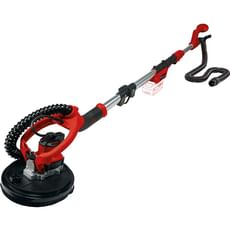
Einhell Professional TE-DW 18/225 Li 18v Cordless 225mm Drywall Sander
in stock
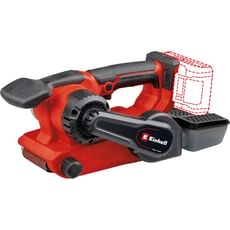
Einhell Professional TP-BS 18/457 BL 18v Cordless Brushless Belt Sander 75mm
in stock
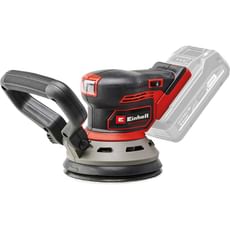
Einhell Professional TP-RS 18/32 Li BL 18v Cordless Brushless Disc Sander 125mm
in stock
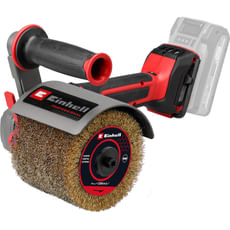
Einhell Professional TP-BR 18/32 Li BL 18v Cordless Brushless Sanding Roller
in stock
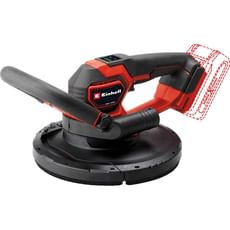
Einhell Professional TP-DWS 18/225 Li BL 18v Cordless Drywall Sander 225mm
in stock
Loading...
End of content
Error - No more pages to load
Einhell Professional Sanders at Tooled-Up.com
Einhell Professional Sanders cover the heavier end of surface preparation, from levelling timber and stripping old coatings to smoothing walls and ceilings. Tooled-Up.com stocks them across four sander types: belt sanders, disc sanders, sanding rollers and wall sanders. Each is built for a specific job, so you can match the tool to the surface rather than making one machine do everything.
What sets the range apart is its focus on larger-scale and specialist sanding. Wall sanders and sanding rollers suit big, flat areas where a standard palm sander would be slow and tiring. Belt and disc sanders handle fast stock removal on timber and other hard materials.
Browse the Einhell Professional selection at Tooled-Up to compare the sander types and find the right tool for your next job.
Key Features of Einhell Professional Sanders
The features below vary by model, so check the specification of the sander you are considering.
- Powerful 240v mains motors: Mains-powered sanders keep a steady speed under load, which matters when you are removing a lot of material or working for long periods on site.
- Dust extraction connection: Many sanders can be connected to a vacuum extractor. This keeps dust away from the operator and the work surface, and it helps limit the airborne dust you need to manage under COSHH guidance.
- Long-reach and wall-sanding designs: Wall sanders let you work ceilings and tall walls from the floor, reducing the time spent on scaffold towers or steps.
- Large abrasive area: Belts, discs and rollers cover a lot of surface per pass, so big areas get finished faster and more evenly.
- Comfortable handling: Grips and handle positions are designed for control and to reduce fatigue over a long shift.
Who Uses Einhell Professional Sanders?
These sanders suit trades and keen DIYers who deal with large surfaces or heavy material removal:
- Carpenters and joiners levelling worktops, boards and door edges with a belt sander.
- Decorators and plasterers preparing walls and ceilings, or smoothing filler and plaster before painting.
- Renovation contractors stripping paint, varnish and rough finishes from timber, floors and fittings.
- Workshop users and fabricators shaping and finishing small parts on a disc sander.
- Serious DIYers taking on whole-room refurbishments or restoration projects.
Popular Einhell Professional Sanders
Belt Sanders
Belt sanders are the choice for aggressive stock removal. Use them to flatten boards, remove paint or level uneven timber quickly.
Disc Sanders
Disc sanders are suited to shaping, trimming and finishing edges. They are useful in the workshop for squaring up and smoothing smaller workpieces.
Sanding Rollers
Sanding rollers deliver a consistent finish over broad surfaces. They suit repetitive surface preparation where evenness matters.
Wall Sanders
Wall sanders are designed for plasterboard, filler and painted walls and ceilings. They help decorators get a smooth surface ready for coating, with less overhead strain.
Frequently Asked Questions
Which Einhell Professional sander is best for removing paint?
A belt sander removes paint and varnish fastest from flat timber. For painted walls and ceilings, a wall sander gives a more even result. Pick a coarser grit for stripping and move to a finer grit to finish.
Can I use a wall sander on plaster and filler?
Yes. Wall sanders are made for smoothing filler, plaster and painted plasterboard before decorating. Use a light touch and a suitable grit so you do not cut into the surface.
Should I connect my sander to a dust extractor?
Yes, where the model allows it. Extraction cuts the dust you breathe in and keeps the surface clearer so you can see your progress. Wear a suitable dust mask as well, and follow HSE guidance for wood and plaster dust.
What is the difference between a belt sander and a disc sander?
A belt sander uses a continuous loop of abrasive for fast removal across flat surfaces. A disc sander uses a rotating abrasive disc and suits shaping and finishing edges on smaller pieces.