
Makita Impact Drivers




Loading...
End of content
Error - No more pages to load
Makita Impact Drivers at Tooled-Up.com
Makita Impact Drivers are built for driving screws and fixings quickly and with less effort than a standard drill driver. Tooled-Up.com stocks them across three battery platforms: the 18v LXT line, the 40v Max XGT line and a compact 7.2v pencil model. That covers everything from heavy site fixing to light, precise work in tight spaces.
The 18v LXT models include the DTD152, DTD156, DTD153, DTD157, DTD158, DTD172, DTD173 and DTD201. These range from straightforward brushed drivers to brushless versions with more runtime and control. For higher-demand work, the XGT models (TD001G, TD002G, TD003G and TD004G) are brushless drivers on the 40v Max platform.
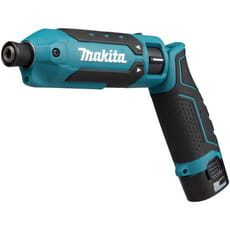
Specialist tools sit alongside them. The DTL061 angle impact driver reaches awkward spots, the DTS141 oil pulse driver gives quieter, smoother tightening, and the TD023D pencil driver is light and slim for small fixings.
Key Features of Makita Impact Drivers
- Brushless motors: Found on most models in the selection, brushless motors run efficiently, which means longer runtime per charge and less wear over time.
- Compact, lightweight bodies: The DTD152 weighs just 1.5kg, so it is easy to handle overhead, in confined spaces and over a long day.
- Twin LED job lights: The DTD152 lights the work area, which helps in dark corners, lofts and under units.
- Integrated belt hook: Hang the tool on your belt and keep both hands free for ladders or awkward access.
- 18v LXT and 40v Max XGT batteries: Choose the platform that suits your workload. 18v LXT is a versatile all-rounder, while XGT is aimed at more demanding applications.
- Oil pulse mechanism: The DTS141 cuts noise and reduces kickback, which is useful for repetitive tightening and for working comfortably in occupied buildings.
- Angle head design: The DTL061 drives fixings where a straight in-line tool will not fit, such as between joists or inside cabinets.
Who Uses Makita Impact Drivers?
Carpenters, joiners and chippies use them for decking, framing, stud walling and long timber screws. Electricians and plumbers rely on compact models for fixing clips, brackets and containment in cramped voids. Roofers, fencers and general builders value the extra torque and quick driving speed on site work.
Kitchen and bathroom fitters often choose the angle or pencil drivers for tight installations. DIY enthusiasts who tackle shelving, flat-pack assembly or garden projects will also find a lightweight 18v model practical and easy to control.
Popular Makita Impact Drivers
18v LXT Impact Drivers
The DTD152 is the compact, lightweight option for general fixing. Brushless models such as the DTD153, DTD157, DTD158, DTD172, DTD173 and DTD201 suit users who want better efficiency and control. The DTD156 is another 18v LXT choice for everyday driving.
40v Max XGT Impact Drivers
The TD001G, TD002G, TD003G and TD004G are brushless drivers for users working on the XGT platform or needing extra capability.
Specialist Drivers
The DTL061 angle impact driver, DTS141 oil pulse driver and TD023D 7.2v pencil driver cover access, noise and precision needs. Browse the full Makita selection at Tooled-Up.com to compare them.
Frequently Asked Questions
What is the difference between brushed and brushless Makita impact drivers?
Brushless motors, such as those in the DTD172 or DTD201, are more efficient and typically give longer runtime and less maintenance than brushed designs like the DTD152.
Which Makita impact driver is best for tight spaces?
The DTL061 angle impact driver is designed for restricted access, while the TD023D pencil driver is slim and light for small fixings.
Do I need 18v or 40v Max XGT?
If you already own 18v LXT batteries, an LXT driver is the practical choice. XGT suits users who want to work on the 40v Max platform for heavier applications.
What is an oil pulse driver?
The DTS141 uses an oil pulse mechanism to deliver tightening with less noise and reduced kickback than a standard impact mechanism, making it comfortable for repetitive fastening.