

Electric Screwdrivers

Pay in 3 interest-free payments on purchases from £20-£3000 with  . Learn more.
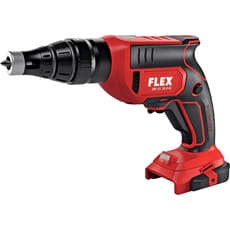
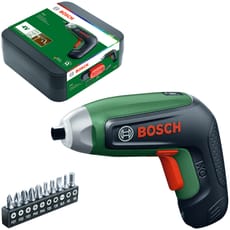
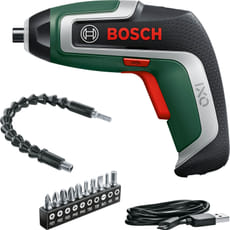
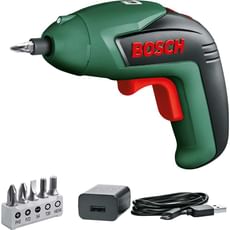
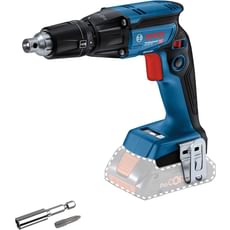
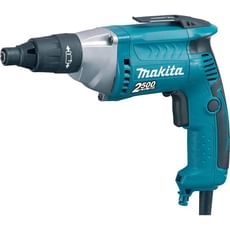
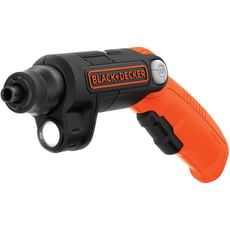
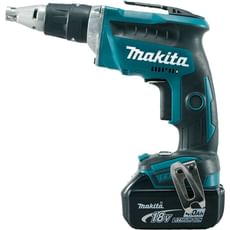
 Loading...
End of content
Error - No more pages to load
About Electric Screwdrivers
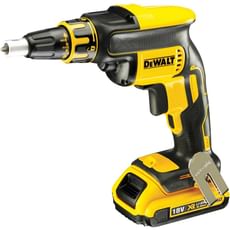
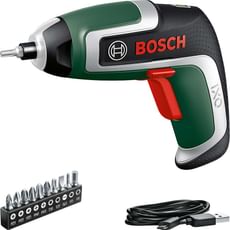
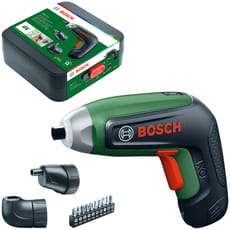
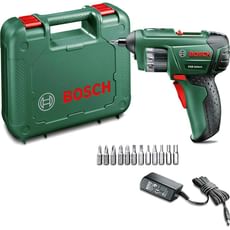
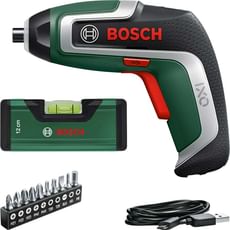
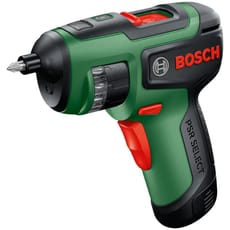
Electric screwdrivers are specialised power tools designed to make fastening tasks faster, easier and more precise than manual screwdriving. Unlike cordless drills, these purpose-built tools deliver controlled torque at lower speeds, making them ideal for driving screws consistently without cam-out, stripped heads or over-tightening. From compact 3.6v models like the popular Bosch IXO range to powerful 18v drywall screwdrivers used by professional plasterers, Tooled-Up.com stocks electric screwdrivers suited to every application – whether you're assembling flat-pack furniture at home or installing plasterboard on commercial sites.
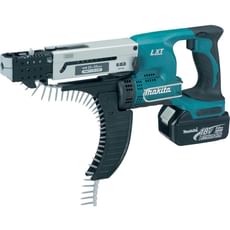
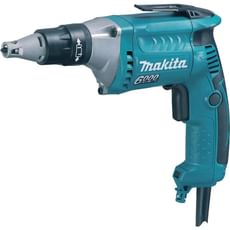
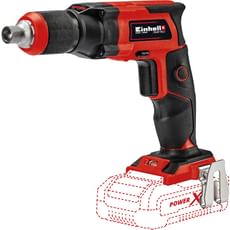
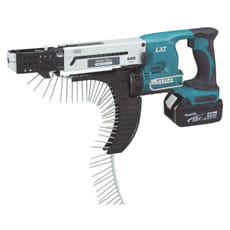
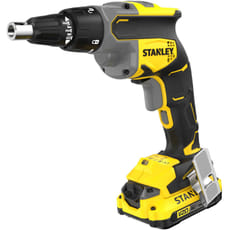
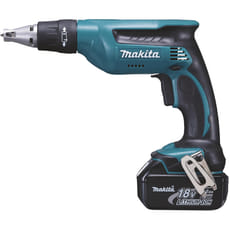
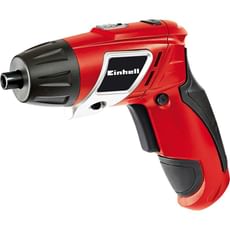
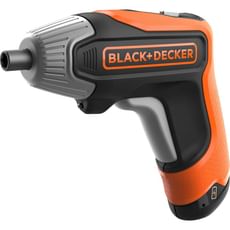
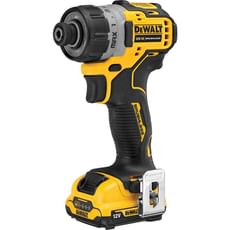
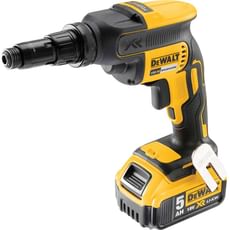
The category encompasses several distinct tool types, each engineered for specific tasks. Compact cordless screwdrivers are lightweight, portable tools perfect for general-purpose fastening work, featuring integrated or removable batteries and quick-change hex bit holders. Drywall screwdrivers like those from Makita and Bosch Professional offer adjustable depth stops and higher torque outputs for rapid plasterboard installation, whilst auto-feed models accept collated screw strips for maximum productivity on large-scale projects. Brands represented at Tooled-Up include Makita, Bosch (both Professional and Home and Garden ranges), DeWalt, Black and Decker, Einhell and Draper, offering options from budget-friendly DIY tools through to professional-grade equipment.
Modern electric screwdrivers incorporate advanced technologies including brushless motors for extended runtime and longevity, lithium-ion batteries that hold charge for months, LED work lights for improved visibility in confined spaces, and USB charging capabilities for ultimate convenience. Many models now feature electronic torque control, forward/reverse switching, and ergonomic designs with pistol-grip or inline configurations. Whether you're an electrician fixing mounting boxes, a joiner installing door hardware, or a homeowner tackling weekend projects, there's an electric screwdriver engineered to improve your efficiency and reduce fatigue.
Jargon Buster
- Voltage (V): Indicates the power output of cordless models. Common voltages include 3.6V for lightweight compact use, 12V for medium-duty applications, and 18V for heavy-duty professional work. Higher voltage typically means more torque and longer runtime under load.
- Brushless Motor: Modern motor technology eliminating carbon brushes, resulting in up to 50% longer runtime, reduced maintenance, cooler operation and extended tool life. Particularly beneficial for professional users who rely on their tools daily.
- Torque (Nm): The rotational force the screwdriver can apply, measured in Newton metres. Higher torque enables driving larger screws or working with harder materials. Typical ranges are 3-5Nm for compact models, up to 35Nm for professional drywall screwdrivers.
- Depth Stop/Adjustable Nosepiece: A feature on drywall screwdrivers that controls how deep screws are driven, ensuring consistent countersinking without damaging plasterboard or over-driving fixings.
- Amp-Hour (Ah): Battery capacity measurement indicating how long a tool will run between charges. A 2.0Ah battery provides moderate runtime suitable for most DIY tasks, whilst 4.0Ah or higher suits all-day professional use.
- Hex Bit Holder: Quick-change socket accepting standard 1/4" hexagonal screwdriver bits, allowing rapid bit changes without additional tools. Most modern electric screwdrivers use this universal system.
Who Uses Electric Screwdrivers?
Electric screwdrivers are invaluable tools across numerous trades and applications:
- Electricians: Fixing mounting boxes, cable clips, switch plates and consumer units
- Joiners and Carpenters: Installing door hardware, fixing architrave, assembling cabinets and general carpentry work
- Dry Liners and Plasterers: Rapid installation of plasterboard sheets using dedicated drywall screwdrivers
- Shop Fitters: Assembling display units, shelving systems and retail fixtures
- Kitchen and Bathroom Fitters: Installing cabinets, units and fixtures efficiently
- HVAC Engineers: Fixing ductwork, mounting air conditioning units and securing ventilation systems
- Maintenance Personnel and Facilities Managers: General repair and installation work across commercial and residential properties
- Furniture Assemblers: Professional and domestic assembly of flat-pack furniture
- DIY Enthusiasts and Homeowners: Home improvements, repairs and assembly projects
- Set Builders and Theatre Technicians: Rapid assembly and disassembly of staging and props
How to Choose the Right Electric Screwdrivers
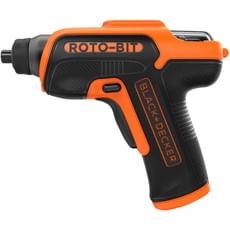
Power and Voltage: Consider your typical workload carefully. For occasional domestic use, light assembly tasks and furniture building, a 3.6v model like the Bosch IXO or Black and Decker compact screwdrivers offers adequate power in a highly portable package. Tradespeople requiring consistent performance throughout the working day should opt for 12v-18v professional models from Makita, DeWalt or Bosch Professional, which provide significantly higher torque and battery capacity for demanding applications.
Application Type: If you're primarily installing drywall, invest in a dedicated drywall screwdriver with adjustable depth control and a nosepiece designed for plasterboard work. The Bosch GTB range and Makita drywall screwdrivers are industry standards amongst plasterers. For general-purpose fastening, a compact cordless screwdriver offers better versatility. Consider auto-feed models like the Bosch collated screwdriver systems if you're undertaking large-scale drywall projects where speed is crucial.
Battery System: Professional users already invested in a particular battery platform (Makita LXT, DeWalt XR, Milwaukee M12/M18) should choose tools compatible with their existing batteries to maximise value and reduce charging infrastructure. Standalone users might prefer models with integrated batteries and USB charging capability for ultimate convenience. Check the amp-hour rating – 2.0Ah suffices for DIY use, whilst 4.0Ah or higher suits full-day professional applications.
Ergonomics and Size: Handle design significantly impacts comfort during extended use. Pistol-grip models provide familiar handling similar to drills, whilst inline designs offer better access in tight spaces. Weight is particularly important if you'll be working overhead or in awkward positions. Some models like the Black and Decker pivot screwdrivers offer adjustable handle positions for different applications.
Additional Features: LED work lights illuminate dark corners and recessed areas, electronic torque control prevents over-tightening and stripped screws, and forward/reverse switching enables quick screw removal. Brushless motors justify their premium cost for professional users through extended life and superior efficiency. Many manufacturers now offer comprehensive kits including multiple batteries, chargers and carrying cases which represent better value than bare units.
Popular Accessories
- Screwdriver Bit Sets: Comprehensive collections of PZ, PH, Torx, hex and specialist bits ensure you're prepared for any fastening task. Professional-grade hardened bits last significantly longer than standard versions.
- Bit Holders and Extensions: Magnetic bit holders prevent bit walking, whilst extension bars enable access to recessed areas and improve reach in confined spaces.
- Spare Batteries and Chargers: Additional battery packs eliminate downtime on busy sites, whilst multi-port chargers efficiently manage battery rotation for professional users.
- Collated Screw Strips: Essential for auto-feed screwdrivers, these pre-loaded screw strips dramatically increase productivity on drywall installations, available in various lengths and thread types.
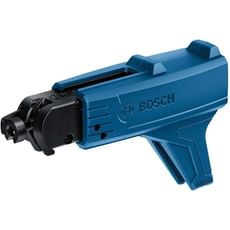
- Drywall Attachments: Specialist nosepieces and depth adjusters for converting standard screwdrivers to drywall-specific applications, such as the Bosch GMA 55 collated screw attachment.
- Carry Cases and Storage: Protective cases safeguard your investment during transport and site work, whilst integrated storage keeps bits and accessories organised.
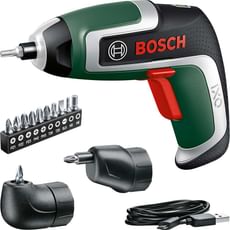
- Angle Attachments: Right-angle adaptors and offset attachments enable fastening in otherwise inaccessible locations, particularly useful for electricians and plumbers.
Safety Information
Eye Protection: Always wear safety glasses or goggles when operating electric screwdrivers, as bits can slip causing screw heads or material fragments to become airborne projectiles. This is particularly important when working with metal fixings or removing corroded screws.
Electrical Safety: When fastening near electrical installations, always isolate circuits at the consumer unit and verify dead using a proper voltage tester. Be aware of hidden cables behind plasterboard and use a cable detector before driving screws into walls. Ensure your tools comply with UK BS EN standards and feature double insulation where appropriate. When using 240v chargers for cordless models, check plugs and leads regularly for damage.
Battery Handling: Use only manufacturer-approved chargers and batteries. Never expose lithium-ion batteries to extreme temperatures, physical damage or moisture. Dispose of damaged or expired batteries through proper recycling channels in accordance with UK WEEE regulations. Store batteries partially charged if not using for extended periods.
Personal Protective Equipment: Wear appropriate work gloves to protect against sharp edges, burrs and repetitive strain. When working with drywall, consider dust masks as plasterboard creates fine particulate matter. Follow HSE guidance on noise exposure for prolonged use in enclosed spaces.
Tool Maintenance: Regularly inspect bits for wear and replace damaged items immediately – worn bits slip more easily causing injury. Keep ventilation slots clear of dust and debris to prevent motor overheating. Never operate tools with damaged guards or safety features disabled.
Frequently Asked Questions
What's the difference between an electric screwdriver and a cordless drill?
Electric screwdrivers are specifically designed for driving screws, featuring lower speeds, better torque control and typically hex bit holders for quick bit changes. They're generally more compact and lighter than drills, making them ideal for repetitive fastening tasks. Cordless drills are more versatile with variable speed triggers, chucks accepting drill bits and higher torque for drilling operations, but they're bulkier and provide less precise control for delicate screw-driving work.
How long do electric screwdriver batteries typically last?
Modern lithium-ion batteries in quality tools from Makita, Bosch or DeWalt typically endure 500-1,000 charge cycles before noticeable capacity degradation, translating to 3-5 years of professional use or considerably longer for DIY applications. Daily runtime depends on battery capacity (Ah rating) and workload – a 2.0Ah battery might drive 200-400 screws per charge in typical applications, whilst 4.0Ah batteries can manage 400-800 screws or more. Lithium-ion batteries self-discharge slowly, retaining charge for months when not in use.
Can I use an electric screwdriver for removing screws as well as driving them?
Yes, virtually all electric screwdrivers feature forward and reverse operation, making them equally effective for screw removal. The controlled torque is actually advantageous when extracting screws, reducing the risk of cam-out (bit slipping from the screw head) that often occurs with excessive drill speeds. For seized or corroded fixings, impact drivers provide better results than standard electric screwdrivers.
Are budget electric screwdrivers worth buying or should I invest in professional brands?
For occasional domestic use, light assembly tasks and infrequent DIY projects, budget brands like Einhell or entry-level Black and Decker models offer excellent value and adequate performance. However, if you're a tradesperson relying on your tools daily, professional brands like Makita, DeWalt, Milwaukee and Bosch Professional justify their higher cost through superior durability, longer battery life, better warranties and readily available spare parts. Professional tools also feature brushless motors and more robust construction suited to site conditions and intensive use.
Do I need a drywall screwdriver or will a regular cordless drill work for plasterboard?
Whilst you can install plasterboard with a standard drill, dedicated drywall screwdrivers offer significant advantages for regular use: adjustable depth stops ensure consistent countersinking without breaking through the paper face or under-driving, optimised torque prevents fastener damage, and purpose-built clutches engage smoothly without jolting. For professional dry liners or extensive plasterboard work, a proper drywall screwdriver like the Bosch GTB 18V-45 or Makita models dramatically improves speed, quality and reduces fatigue. DIY users boarding a single room can manage adequately with a drill and careful technique.