

Outdoor Power Tools
Pay in 3 interest-free payments on purchases from £30-2000 with  . Learn more.
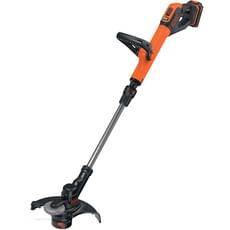
Black and Decker STC1820PC 18v Cordless Telescopic Grass Trimmer and Edger 280mm
in stock
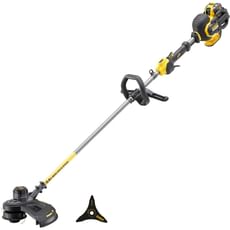
DeWalt DCM571 54v XR Cordless Brushless FLEXVOLT Brush Cutter and Grass Trimmer
in stock
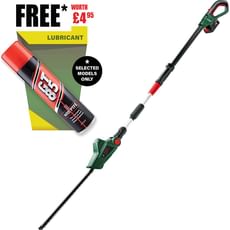
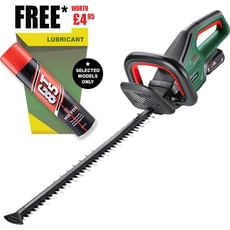
Bosch UNIVERSALHEDGEPOLE P4A 18v Cordless Telescopic Pole Hedge Trimmer 430mm
in stock
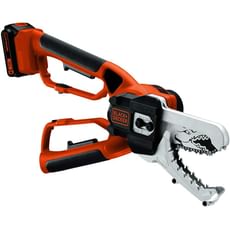
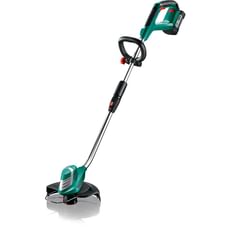
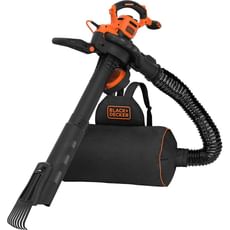
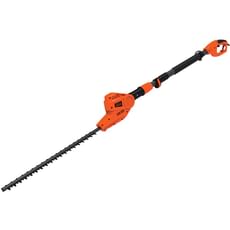
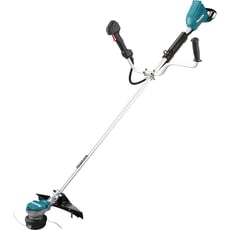
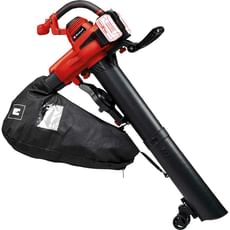
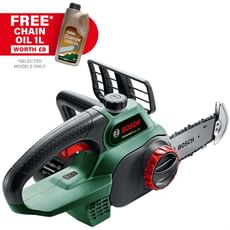
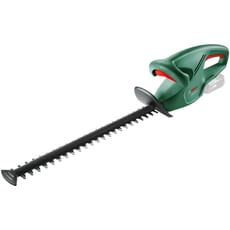
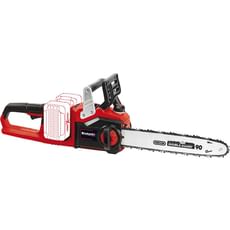
Einhell Professional GE-LC 36/35 Li 36v Cordless Brushless Chainsaw 350mm
in stock
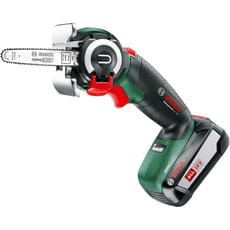
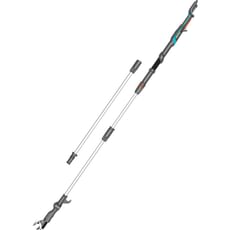
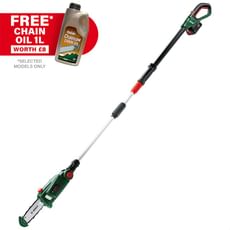
Bosch UNIVERSALCHAINPOLE P4A 18v Cordless Telescopic Pole Tree Pruner 200mm
in stock
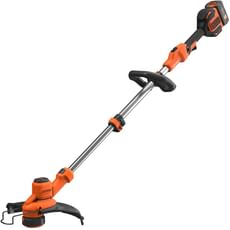
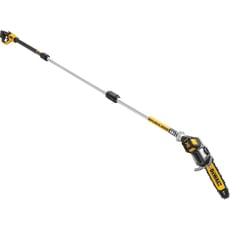
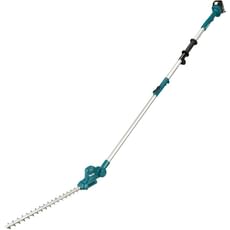
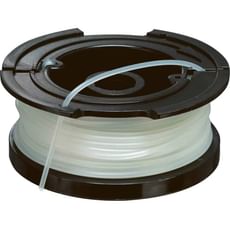
Black and Decker A6481 Genuine Spool and Line for BC, BE, GL, GLC, ST and STC Grass Trimmers
in stock
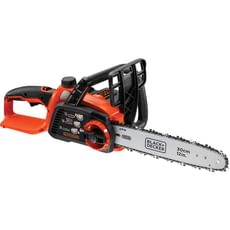
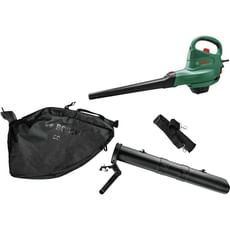
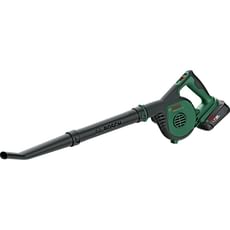
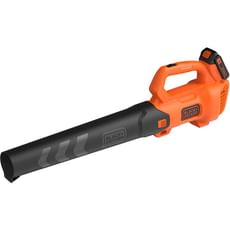
Bosch UNIVERSALLEAFBLOWER 18V-130 P4A 18v Cordless Garden Leaf and Workshop Blower
in stock
DeWalt DCM571 54v XR Cordless Brushless FLEXVOLT Brush Cutter and Grass Trimmer
in stock
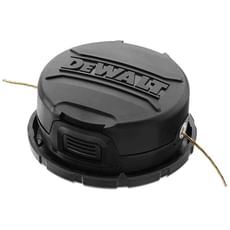
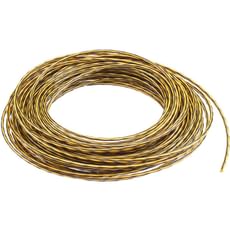
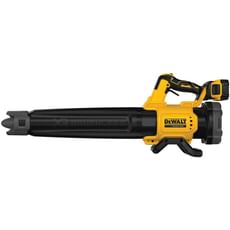
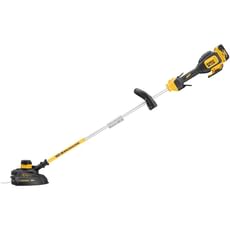
DeWalt DCM561S 18v XR Cordless Brushless Split Shaft Grass Trimmer 330mm
in stock
 Loading...
End of content
Error - No more pages to load
About Outdoor Power Tools
Outdoor power tools have revolutionised the way both professional landscapers and homeowners maintain their gardens and outdoor spaces. From precision hedge trimming to heavy-duty brush cutting, these specialised tools deliver the power and efficiency needed to tackle everything from routine lawn maintenance to large-scale landscaping projects. Modern outdoor power tools combine robust engineering with user-friendly features, offering solutions for cutting, trimming, blowing, vacuuming, and pruning tasks that would otherwise require significant manual labour and time.
The outdoor power tool category encompasses a diverse range of equipment including chainsaws for tree surgery and log cutting, hedge trimmers for shaping and maintaining boundaries, grass trimmers for edges and awkward areas, and leaf blowers and vacuums for seasonal clean-up work. Brush cutters handle heavier vegetation and overgrowth, whilst pole pruners and tree pruners extend reach for working at height safely from ground level. Cordless secateurs and electric loppers bring power-assisted cutting to precision pruning tasks, and garden multi-tools offer versatile platforms that accept different cutting attachments for year-round use.
Power sources vary across the range, with petrol engines delivering maximum power and runtime for demanding professional applications, 240v electric models offering consistent performance for domestic and light commercial use, and battery-powered cordless tools providing excellent portability without sacrificing power. Tooled-Up.com stocks leading manufacturers including Bosch, Makita, DeWalt, Milwaukee, Stihl, Ryobi, Greenworks, Black & Decker, and Einhell, ensuring tradespeople and homeowners can select equipment that matches their specific requirements and budget. Lithium-ion battery technology has particularly transformed the cordless sector, with modern batteries delivering runtime and power that rivals petrol equivalents whilst eliminating emissions, reducing noise, and cutting maintenance requirements.
Jargon Buster
- Two-Stroke Engine: A petrol engine type commonly used in lightweight outdoor power tools like chainsaws and brush cutters. Requires a fuel mix of petrol and two-stroke oil, offering high power-to-weight ratio but producing more emissions than four-stroke alternatives.
- Brushless Motor: An electric motor design without carbon brushes, delivering increased efficiency, longer runtime, extended tool life, and reduced maintenance compared to brushed motors. Now standard in premium cordless outdoor power tools.
- Bar Length: The cutting length of a chainsaw, measured from the front of the saw to the furthest cutting point. Common sizes range from 250mm for light pruning work to 500mm+ for felling and professional forestry applications.
- Reciprocating Blade: A cutting mechanism used in hedge trimmers where dual blades move back and forth against each other. Measured in strokes per minute (SPM), with higher speeds delivering cleaner cuts on softer growth.
- Nylon Line Trimmer: A grass trimmer that uses flexible nylon cord rotating at high speed to cut grass and light vegetation. Line is fed automatically or semi-automatically from a spool housed in the cutting head.
- Blowing Velocity: The speed at which air exits a leaf blower, measured in metres per second (m/s) or miles per hour (mph). Higher velocities move wet leaves and heavier debris more effectively, whilst air volume (measured in cubic metres per hour) determines coverage area.
Who Uses Outdoor Power Tools?
Outdoor power tools serve a broad spectrum of professionals and enthusiasts who require efficient, powered solutions for garden maintenance and landscaping work:
- Professional Landscapers: Commercial gardening contractors maintaining multiple properties, parks, and business premises
- Groundskeepers: Site maintenance staff responsible for sports grounds, golf courses, schools, and public spaces
- Tree Surgeons and Arborists: Specialists in tree care, pruning, and removal requiring professional-grade chainsaws and pole pruners
- Garden Maintenance Contractors: Self-employed gardeners and small teams offering regular garden upkeep services
- Estate Managers: Property professionals maintaining large private estates, country houses, and rural holdings
- Local Authority Ground Staff: Council workers responsible for maintaining public parks, verges, and community spaces
- Facilities Management Teams: Staff maintaining commercial property grounds, car parks, and external areas
- Agricultural Workers: Farmers and estate workers managing hedgerows, ditches, and field boundaries
- Keen Gardeners and Homeowners: DIY enthusiasts maintaining their own gardens, hedges, and outdoor spaces
- Allotment Holders: Gardeners managing larger plots requiring powered tools for efficiency
How to Choose the Right Outdoor Power Tools
Power Source: Consider whether petrol, 240v mains electric, or battery power best suits your working environment. Petrol offers maximum power and unlimited runtime but requires fuel, storage, and regular maintenance. Mains electric tools deliver consistent power at lower cost but restrict working radius to extension lead length. Cordless battery tools provide excellent portability and low maintenance, with modern lithium-ion batteries offering impressive runtime—ideal for most domestic and many professional applications.
Frequency of Use: Professional users working daily require commercial-grade tools with robust construction, powerful motors, and comprehensive warranties. The professional ranges at Tooled-Up include heavy-duty models from Makita, DeWalt, Milwaukee, and Stihl that withstand intensive use. Occasional domestic users can select lighter-weight models with more modest specifications that balance performance with affordability from brands like Bosch, Ryobi, and Einhell.
Scale and Type of Work: Match tool specifications to the tasks you regularly undertake. Small urban gardens with light hedges need less powerful tools with shorter cutting lengths, whilst rural properties with mature hedging, extensive lawns, and woodland require higher power outputs and larger cutting capacities. Consider the vegetation types you'll encounter—thick, woody growth demands more cutting power than soft, seasonal growth.
Battery Compatibility: If selecting cordless tools, consider investing in a single battery platform. Most major manufacturers offer interchangeable battery systems across their cordless ranges, allowing you to share batteries and chargers between multiple tools. This significantly reduces the overall cost of building a cordless tool collection and simplifies battery management on site.
Ergonomics and Handling: Outdoor power tools often operate for extended periods, making comfort crucial. Look for anti-vibration systems that reduce user fatigue, adjustable handles that suit your height and working style, and well-balanced designs that don't cause strain. Tool weight becomes particularly important for elevated work with hedge trimmers and pole pruners, or extended use with brush cutters and leaf blowers.
Safety Features: Quality outdoor power tools incorporate safety systems including blade guards, two-handed operation switches, quick-stop brakes on chainsaws, and automatic line cutters on grass trimmers. Professional users should prioritise tools meeting relevant BS EN safety standards and featuring comprehensive guarding that doesn't impede productivity.
Noise Levels: If working in noise-sensitive environments such as residential areas, schools, or hospitals, check decibel ratings. Battery and electric tools typically operate more quietly than petrol equivalents, and some manufacturers specify noise-reduced models designed for urban use. Remember that the Control of Noise at Work Regulations apply to professional users.
Popular Accessories
Maximise the performance, versatility, and lifespan of outdoor power tools with these complementary accessories available from Tooled-Up.com:
- Replacement Chainsaw Chains and Bars: Keep cutting performance sharp with spare chains in various pitches and gauges, plus replacement guide bars for worn equipment
- Hedge Trimmer Blades: Replacement reciprocating blades and blade sets to restore cutting performance
- Trimmer Line and Spools: Nylon cutting line in various diameters and profiles (round, square, twisted) for different grass trimming applications, plus pre-wound replacement spools
- Brush Cutter Blades and Heads: Metal blades for heavy vegetation, plus different cutting head styles for varied applications
- Chain Sharpening Kits: Files, guides, and depth gauge tools to maintain optimal chainsaw cutting performance
- Bar and Chain Oil: Specialist lubricating oils to protect chainsaw components during operation
- Two-Stroke Oil: Quality oil for mixing with petrol in correct ratios for two-stroke engines
- Spare Batteries and Chargers: Additional lithium-ion battery packs to extend runtime, plus rapid chargers and multi-bay charging stations
- Extension Leads and Cable Management: Heavy-duty outdoor-rated extension leads for 240v tools, plus cable storage reels
- Shoulder Straps and Harnesses: Ergonomic carrying systems for brush cutters and larger tools to reduce user fatigue
- Tool Storage and Transport Cases: Protective carry cases and storage boxes to keep equipment secure and organised
- Cleaning and Maintenance Products: Brushes, degreasers, and maintenance sprays to keep tools in optimal condition
Safety Information
Outdoor power tools present specific hazards including rotating blades, flying debris, noise exposure, vibration, and—with petrol tools—fuel handling and exhaust emissions. Appropriate personal protective equipment (PPE) is essential and, for professional users, legally required under the Personal Protective Equipment at Work Regulations.
Eye Protection: Safety glasses or goggles with side protection should always be worn when operating outdoor power tools. Flying debris from cutting, trimming, and blowing operations poses serious risk of eye injury. For brush cutting and chainsaw work, consider full-face visors or mesh face shields.
Hearing Protection: Many outdoor power tools exceed 85dB, particularly petrol models, requiring hearing protection under HSE guidance. Ear defenders or properly fitted ear plugs reduce noise exposure during extended operation. Professional users must conduct noise assessments and implement hearing conservation programmes where necessary.
Hand Protection: Wear appropriate work gloves to improve grip, reduce vibration transmission, and protect hands from cuts and abrasions. Chainsaw operators should use specialist chainsaw gloves with cut-resistant materials on the back of the left hand.
Footwear: Steel toe-cap boots protect feet from falling tools and cut material. Chainsaw operators require specialist chainsaw boots with cut-resistant protection meeting Class 1, 2, or 3 standards depending on chainsaw power.
Protective Clothing: Long trousers and long sleeves protect skin from flying debris, cuts, and sun exposure. Professional chainsaw users must wear chainsaw trousers or leggings with appropriate cut protection. High-visibility clothing improves safety when working near roads or in commercial environments.
Vibration Management: Outdoor power tools, particularly petrol models, generate vibration that can cause Hand-Arm Vibration Syndrome (HAVS) with prolonged exposure. Choose tools with anti-vibration systems, take regular breaks, and monitor exposure time. Professional users must conduct HAVS risk assessments and implement control measures under the Control of Vibration at Work Regulations.
Working at Height: Pole pruners and long-reach hedge trimmers allow ground-level operation, but ensure stable footing on level ground. Never use ladders whilst operating power tools. Tree surgery work at height requires specialist training, equipment, and insurance.
Fuel Safety: Store petrol in approved containers away from heat sources and living areas. Mix two-stroke fuel in well-ventilated areas, never refuel hot equipment, and wipe up spills immediately. Follow manufacturer's instructions for fuel mixture ratios precisely.
Frequently Asked Questions
Should I choose petrol, 240v electric, or cordless battery outdoor power tools?
Each power source offers distinct advantages. Petrol tools deliver maximum power and unlimited runtime, making them ideal for professional users, large properties, and areas without electricity access. However, they require fuel storage, regular maintenance, and produce emissions and noise. Electric 240v tools offer consistent power at low running costs, suiting domestic users with access to mains electricity, though extension leads limit working radius. Modern cordless battery tools now rival petrol performance whilst offering excellent portability, zero emissions, lower noise, and minimal maintenance—increasingly the preferred choice for both professional and domestic users. Consider your working environment, frequency of use, and whether you already own compatible batteries.
How long do cordless outdoor power tool batteries last?
Runtime depends on battery capacity (measured in ampere-hours, Ah), tool power consumption, and work intensity. A 5.0Ah battery might power a hedge trimmer for 60-90 minutes of normal use, a grass trimmer for 40-60 minutes, or a leaf blower for 20-40 minutes depending on speed settings. Professional users often invest in multiple batteries, rotating them to maintain continuous operation. Lithium-ion batteries typically retain good performance for 500-1000 charge cycles (approximately 3-5 years of regular use) before capacity degrades noticeably. Higher capacity batteries (6.0Ah, 9.0Ah, 12.0Ah) extend runtime proportionally but add weight and cost.
What safety equipment do I need for using outdoor power tools?
At minimum, always wear safety glasses or goggles with side protection to guard against flying debris. Add hearing protection (ear defenders or plugs) when tools exceed 85dB, which includes most petrol models and many powerful electric tools. Work gloves improve grip and reduce vibration exposure. Sturdy footwear with toe protection prevents foot injuries from dropped tools or cut material. For chainsaw operation, specialist PPE becomes essential: chainsaw boots or protective footwear, chainsaw trousers or leggings with cut protection, chainsaw gloves, and a safety helmet with integrated visor and ear defenders. Professional users have legal obligations under health and safety legislation to conduct risk assessments and provide appropriate PPE.
How do I maintain outdoor power tools?
Regular maintenance extends tool life and maintains performance. After each use, remove debris, grass, and sap from cutting surfaces and air vents using a brush or cloth. For petrol tools, check and top up fuel and oil levels, clean air filters regularly, and inspect spark plugs. Sharpen or replace chainsaw chains when cutting performance declines—a sharp chain cuts efficiently with minimal pressure. Hedge trimmer blades benefit from periodic sharpening and light oiling. For grass trimmers, replace worn nylon line promptly. Battery tools require minimal maintenance beyond keeping contacts clean and storing batteries at room temperature with partial charge during extended storage periods. Annual servicing by qualified technicians ensures reliability for professional equipment.
Can I use one battery across different cordless outdoor power tools?
Yes, most major manufacturers including Makita, DeWalt, Milwaukee, Bosch, Ryobi, and Einhell operate platform battery systems where a single battery design fits multiple tools across their cordless ranges. This interchangeability delivers significant cost savings when building a tool collection, as you purchase tools as "bare units" (without battery and charger) after your initial kit purchase. It also simplifies battery management, reduces charging infrastructure, and provides flexibility to move batteries between tools as needed. However, battery platforms are manufacturer-specific—Makita batteries won't fit DeWalt tools, for example—so consider committing to a single brand ecosystem when investing in cordless equipment.