

18v Tools

Pay in 3 interest-free payments on purchases from £20-£3000 with  . Learn more.
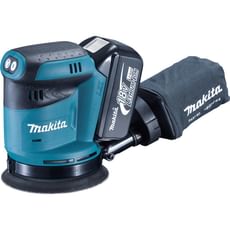
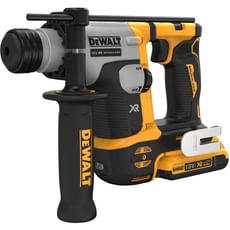
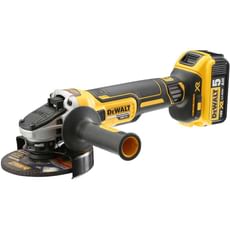
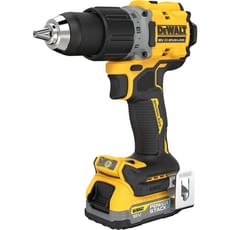
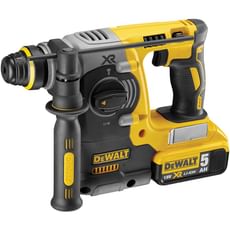
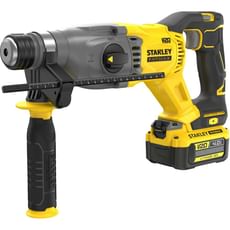
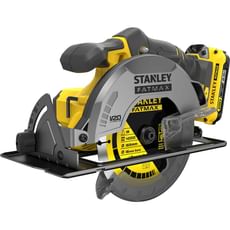
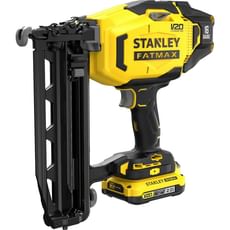
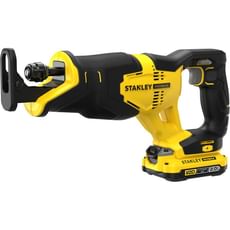
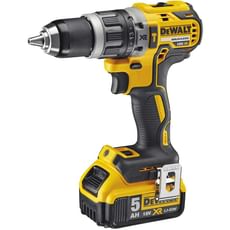
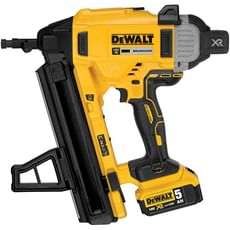
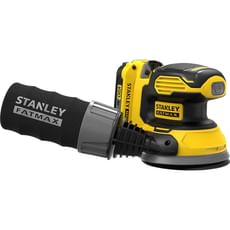
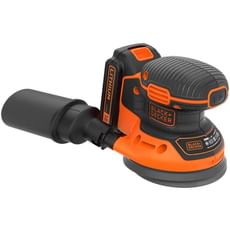
Stanley Fatmax V20 SFMCW220 18v Cordless Random Orbit Disc Sander 125mm
in stock
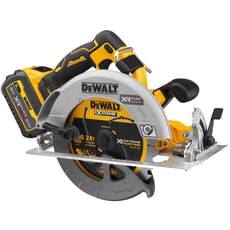
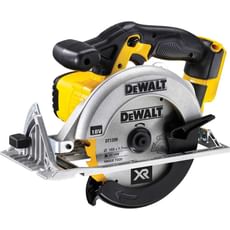
DeWalt DCS573 18v XR Cordless Brushless FLEXVOLT High Power Circular Saw 190mm
in stock
Loading...
End of content
Error - No more pages to load
About 18v Tools
The 18v cordless platform has established itself as the industry standard for professional power tools, delivering an optimal balance between performance, runtime, and portability. This versatile voltage provides sufficient power for demanding applications whilst maintaining manageable tool weight and compact dimensions that tradespeople appreciate on site. Whether working in locations without access to 240v mains power or simply requiring the freedom to move around workshops without trailing cables, 18v cordless tools offer the flexibility that modern professionals and DIY enthusiasts need.
Tooled-Up.com stocks a comprehensive range of 18v tools covering everything from drilling and cutting to sanding, grinding, routing, and even site entertainment. Most major manufacturers including Makita, DeWalt, Milwaukee, and Bosch have invested heavily in their 18v ecosystems, meaning you can build an entire toolkit around a single battery platform. This standardisation delivers significant cost savings and convenience – purchase quality batteries and a charger once, then add bare tools as your collection expands. From first fix carpentry to electrical installation, metalwork to landscaping, there's an 18v solution for virtually every trade application.
The latest generation of 18v tools features brushless motor technology, intelligent battery management systems, and sophisticated electronics that deliver performance rivalling corded equivalents. With options ranging from compact DIY models to heavy-duty professional specifications, the 18v platform caters for everyone from weekend warriors tackling home improvements to full-time contractors running busy operations across multiple sites. The availability of child categories including 18v Drills, 18v Saws, 18v Grinders, 18v Sanders, 18v Routers, 18v Planers, 18v Nail Guns, and even 18v Radios demonstrates the breadth of tools available within this voltage platform.
Jargon Buster
- Li-ion (Lithium-ion): The battery chemistry used in modern cordless tools, offering high energy density, no memory effect, and minimal self-discharge. Li-ion batteries can be recharged at any point without degrading performance, unlike older battery technologies.
- Ah (Ampere-hours): The capacity measurement of a battery. Higher Ah ratings (such as 5.0Ah versus 2.0Ah) provide longer runtime between charges. A 5.0Ah battery will typically run twice as long as a 2.5Ah equivalent under identical working conditions.
- Brushless Motor: Advanced motor technology that eliminates carbon brushes, resulting in greater efficiency (up to 30% more runtime), extended lifespan, reduced maintenance requirements, and increased power output compared to traditional brushed motors.
- Battery Platform/Ecosystem: A range of tools designed to share the same battery system. Investing in one manufacturer's 18v platform means all your tools use interchangeable batteries and chargers, maximising convenience and value.
- Bare Tool/Body Only: A tool sold without batteries or charger, ideal for expanding your collection when you already own compatible batteries within that manufacturer's platform, offering substantial cost savings.
- Torque: Rotational force measured in Newton-metres (Nm). Higher torque figures indicate greater twisting power for demanding applications like driving large fixings or drilling through tough materials such as masonry or hardwood.
Who Uses 18v Tools?
The versatility of the 18v platform makes it suitable for a wide range of users:
- Carpenters and Joiners: For drilling, routing, planing, and driving fixings during first and second fix work
- Electricians: Compact drills and drivers for cable installation, trunking, and consumer unit fitting
- Plumbers: For cutting pipework, drilling through joists, and accessing tight spaces beneath baths and basins
- Builders and General Contractors: All-round capability for diverse tasks across residential and commercial projects
- Landscapers: Blowers, saws, and hedge trimmers without petrol fumes or 240v power requirements
- Automotive Technicians: Grinders, polishers, and impact drivers for vehicle maintenance and bodywork
- Metalworkers and Fabricators: Cutting, grinding, and drilling ferrous and non-ferrous materials
- Maintenance Engineers: Portable toolkit for facilities management and reactive repairs
- Shopfitters and Installers: Quick setup without searching for power outlets in retail and commercial environments
- DIY Enthusiasts: Home improvements, renovations, and hobby projects with professional-grade results
How to Choose the Right 18v Tools
Select Your Platform
Your first decision involves choosing a battery ecosystem. Consider which brands you already own, as staying within one platform maximises your investment. Makita, DeWalt, Milwaukee, and Bosch all offer extensive 18v ranges with excellent tool variety. Professional tradespeople often favour Milwaukee or DeWalt for heavy-duty performance, whilst Makita offers an exceptionally broad selection with over 200 tools available on the market.
Battery Capacity Considerations
Match battery capacity to your usage patterns. Light-duty tasks and intermittent use suit 2.0-3.0Ah batteries that keep tools compact and lightweight. Regular professional use demands 4.0-6.0Ah batteries for extended runtime between charges. Some manufacturers offer high-capacity 9.0-12.0Ah batteries for all-day operation, though these add considerable weight and bulk to your tools.
Brushless vs Brushed Motors
Brushless technology costs more initially but delivers superior efficiency, longer runtime per charge, extended tool life, and better performance. For professional use, brushless motors quickly justify their premium through reduced downtime and fewer battery purchases. DIY users tackling occasional projects may find brushed motor tools adequate at lower price points.
Kit vs Bare Tool
Starter kits including batteries, charger, and carry case offer better value when beginning your collection. Once established within a platform, purchasing bare tools saves money and reduces battery stockpiling. Calculate the cost difference – sometimes promotional kit pricing makes buying the full package worthwhile even if you don't need additional batteries.
Professional vs DIY Grade
Professional-specification tools feature metal gearboxes, reinforced housings, superior dust sealing, and comprehensive warranties. They withstand daily site work and rough treatment. DIY-grade tools use more plastic components and lighter-duty internals, perfectly adequate for home use but vulnerable to professional workloads. Consider your usage intensity honestly – weekend projects don't justify premium pricing, but making your living with tools demands reliability.
Popular Accessories
- Additional Batteries: Essential for uninterrupted work, particularly 4.0Ah or 5.0Ah capacity for balancing runtime and weight. Having batteries on rotation eliminates charging delays during critical work.
- Fast Chargers: Reduce charging times from several hours to 30-45 minutes. Multi-port chargers accommodate several batteries simultaneously, ideal for busy workshops or job sites.
- Battery Adaptors: Allow older tools to accept newer battery designs, or enable cross-compatibility with other voltage platforms from the same manufacturer, extending tool lifespan.
- Storage Solutions: Stackable tool boxes including DeWalt TSTAK, Milwaukee PACKOUT, and Makita MakPac systems keep your 18v collection organised and protected during transport. Many integrate with van racking systems.
- Tool Belts and Holsters: Keep frequently-used tools accessible whilst working at height or moving around site, reducing trips up and down ladders and improving productivity.
- Drill Bits and Driver Sets: HSS, masonry, wood, and multi-material bit sets for diverse applications. Impact-rated screwdriver bits withstand higher torque from impact drivers.
- Saw Blades and Cutting Accessories: TCT blades for circular saws, reciprocating saw blades for various materials, and jigsaw blade assortments for different cutting tasks.
- Sanding Discs and Abrasives: Various grits for different finishing stages, compatible with your specific sander model and backing pad size for optimal results.
Safety Information
Battery Safety
Only use manufacturer-approved batteries and chargers designed for your specific tool model. Counterfeit batteries may lack safety protection circuits, presenting fire risks. Never continue using damaged, swollen, or leaking batteries. Store batteries away from extreme temperatures and ensure they're partially charged (30-50%) for long-term storage to maintain battery health.
Personal Protective Equipment
Wear appropriate PPE based on your specific task. Safety glasses protect against debris, hearing protection guards against prolonged noise exposure (particularly with grinders and saws), and dust masks prevent inhalation of harmful particles. The HSE provides guidance on PPE requirements for various trades and tasks. Ensure workwear meets relevant EN standards.
Tool-Specific Precautions
Always remove batteries before changing accessories, adjusting settings, or performing maintenance. Ensure guards are fitted and functioning correctly. Never bypass safety features or modify tools from their original specification. Cordless tools can start unexpectedly if triggers are pressed whilst batteries are installed, so handle with care.
Work Environment
Maintain adequate lighting and clear working areas to reduce accident risk. Secure workpieces properly before cutting or drilling. Be aware of hidden cables and pipes before drilling into walls or floors – use a detector to locate services. Follow COSHH regulations when working with materials that generate hazardous dust.
Frequently Asked Questions
Can I use batteries between different brands of 18v tools?
No, battery platforms are manufacturer-specific. An 18v DeWalt battery won't fit Makita tools, and vice versa. However, batteries are generally compatible across all 18v tools within the same brand's ecosystem, giving you flexibility once committed to a platform. This is why choosing your initial platform carefully is important.
How long do 18v batteries last before needing replacement?
Quality Li-ion batteries typically endure 500-1,000 charge cycles before capacity noticeably degrades. With proper care – avoiding complete discharge, storing at moderate temperatures, and using manufacturer chargers – expect 3-5 years of professional use or significantly longer for DIY applications. The Tooled-Up range includes replacement batteries from all major manufacturers.
Are 18v tools powerful enough for professional use?
Absolutely. Modern brushless 18v tools deliver performance comparable to 240v corded equivalents for most applications. Whilst exceptionally demanding tasks (heavy demolition, large timber cutting) may benefit from higher voltages or mains power, 18v handles the vast majority of professional requirements whilst offering superior portability and convenience on site.
What's the difference between 18v and 20v tools?
They're essentially the same. The difference lies in measurement standards – 18v represents nominal voltage (average during discharge), whilst 20v indicates maximum voltage when fully charged. Some manufacturers use 18v, others prefer 20v marketing, but both refer to the same Li-ion cell configuration delivering equivalent performance. Don't be misled by the higher number.
Should I buy a complete kit or individual bare tools?
For your first purchase within a platform, kits offer better value, providing batteries, charger, and often a carry case at lower overall cost. Once you own batteries and a charger, purchasing bare tools saves money and reduces redundancy. Compare pricing carefully – promotional kit deals available at Tooled-Up sometimes cost less than buying components separately, even if you don't need additional batteries.